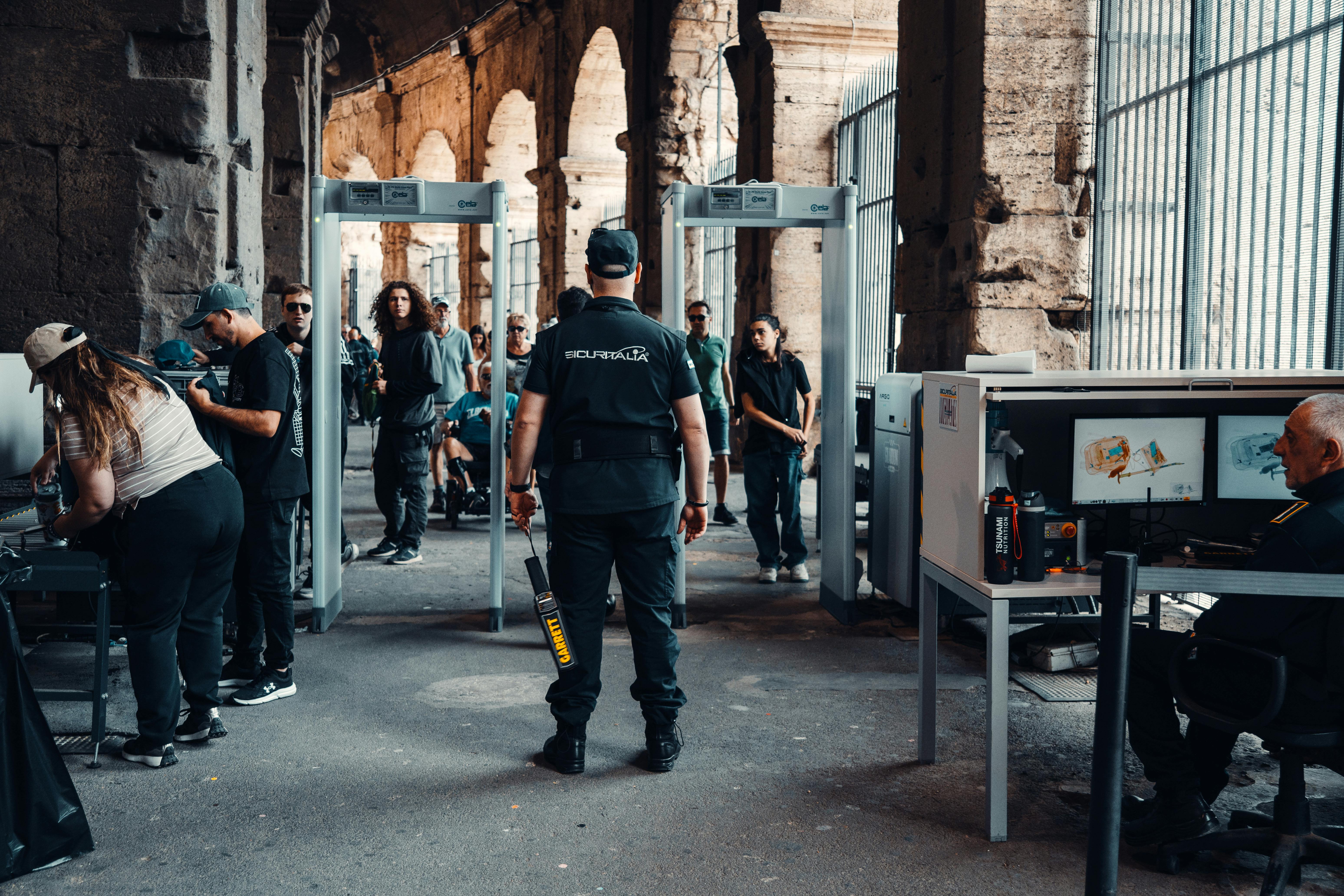
Access control systems protect facilities from unauthorized access and help security teams maintain safety. Coordinating these systems with overall site security ensures entry points are monitored, personnel are managed, and assets remain secure. Effective coordination reduces the risk of breaches and improves operational efficiency across the site. Managers and security personnel can combine technology, procedures, and staffing strategies to strengthen protection. A coordinated approach also enhances situational awareness and prevents operational confusion during security events. This integrated system supports both rapid incident response and consistent enforcement of safety protocols.
Understanding how to integrate access control with site security is essential for modern facilities. Facilities that fail to coordinate systems often experience unauthorized entry, confusion, and delayed responses to security events. Proper coordination enhances visibility across entry points, strengthens perimeter defenses, and supports compliance with safety regulations. Security teams gain clarity on responsibilities and can respond efficiently to alarms or breaches. Coordinated access control ensures accountability and reduces the risk of human error. Overall, a well-aligned system creates a safer environment for employees, visitors, and property.
1. Implement the Components of Effective Access Control
The components of effective access control include entry points, authentication methods, monitoring systems, and user permissions. Entry points such as doors, gates, or turnstiles regulate physical access to the facility. Authentication methods like ID badges, biometric scanners, or mobile credentials verify the identity of individuals before granting entry. Monitoring systems, including CCTV and real-time alerts, provide oversight and ensure that access events are recorded. User permissions define which areas each person can enter, reducing the risk of unauthorized access. Integrating these components ensures that access control functions cohesively with overall site security.
Integrating these components enhances overall security effectiveness. Entry points should align with monitoring systems to detect unusual activity quickly. Authentication methods must be reliable to ensure only authorized personnel gain access. Permissions require regular review to reflect staffing changes or security updates. Coordinated components allow the system to function as a unified defense rather than separate layers. Effective implementation strengthens both security and operational efficiency across the site.
2. Foster Efficient Security Team Coordination
Security teams can coordinate access control efficiently through structured roles, communication, and routine procedures. Assigning clear responsibilities ensures that someone monitors logs, responds to alerts, and manages access credentials at all times. Regular briefings allow teams to review incidents, update protocols, and align strategies. Teams can establish standard procedures for handling security breaches, which reduces response times. Coordination enables teams to act quickly during emergencies while maintaining operational continuity. Proper collaboration ensures access systems and personnel work together seamlessly to prevent gaps in security coverage.
Cross-functional collaboration improves situational awareness across the facility. Monitoring personnel should have access to logs and alerts from all access control devices. Response teams require predefined actions for specific alarms or breaches. Coordination supports faster incident resolution and minimizes operational disruptions. Training and drills reinforce the team’s ability to execute coordinated responses. Efficient teamwork ensures that facilities maintain a high level of security consistently.
3. Integrate Technology to Support Access Control
Technologies like bi folding speed gates, surveillance systems, and access management software support coordinated access control. Speed gates regulate vehicle and pedestrian traffic while allowing monitoring systems to track movements. Software platforms consolidate logs, generate alerts, and provide audit trails for review. Cameras and sensors integrate with access points to detect suspicious activity or unauthorized entry. Technology improves efficiency and ensures security teams can respond to incidents quickly. Integrating these tools allows teams to monitor multiple entry points simultaneously and maintain comprehensive oversight.
Using multiple technologies together increases situational awareness and operational control. Automated alerts notify teams when access attempts fail or breaches occur. Anti ram vehicle barrier provide additional protection by preventing unauthorized or high-speed vehicle entry at sensitive locations. Data from these systems supports incident analysis, policy adjustments, and compliance reporting. Remote monitoring capabilities enable staff to oversee large facilities or multiple locations effectively. A coordinated technological approach ensures access control and site security function as one cohesive system.
4. Develop Clear Policies and Procedures
Policies and procedures define how staff and systems operate to maintain security. Visitor management protocols control temporary access to sensitive areas. Employee access rules limit permissions based on roles and responsibilities. Procedures for incident reporting ensure breaches are addressed promptly and accurately. Clear policies help staff understand expectations and reduce errors in daily operations. Properly documented procedures also provide a reference for training, audits, and continuous improvement.
Aligning procedures with technology improves compliance and operational effectiveness. Access request workflows ensure approvals are tracked and recorded systematically. Periodic audits verify that access permissions match current staffing needs. Security teams can enforce procedures consistently, maintaining reliable protection across all entry points. Coordinated policies allow facilities to respond quickly to incidents while maintaining transparency and accountability. Standardized workflows reduce confusion and strengthen the overall security posture.
5. Identify Challenges and Implement Solutions
Challenges in coordinating access control include unauthorized entry, equipment failure, and miscommunication between teams. Facilities must plan for redundancy in critical systems to maintain security during malfunctions. Cross-training staff ensures multiple team members can manage alerts and access logs effectively. Regular audits identify weaknesses, outdated permissions, or technology gaps. Contingency planning prepares teams to respond quickly and maintain protection under unexpected circumstances. Addressing these challenges ensures that security operations remain effective even during critical incidents.
Proactively managing challenges strengthens overall security resilience. Simulated drills allow teams to practice responses to breaches or system failures. Lessons learned from real-world incidents help update procedures and policies. Redundant technologies, such as wedge barrier, provide backup protection against potential threats. Teams can implement preventative measures to minimize risks before they occur. A proactive approach ensures access control and site security maintain reliability across all scenarios.
To Sum Up
Coordinating access control with site security strengthens facility protection and improves operational efficiency. Integrating technology, clear policies, and structured teamwork ensures only authorized individuals can enter sensitive areas. Effective coordination reduces the risk of breaches, supports compliance, and enhances response to incidents. Security teams can rely on technology and procedures to maintain consistent protection. A well-aligned access control system also increases situational awareness and overall operational confidence. Facilities with coordinated systems create a safer environment for employees, visitors, and property.
Facilities can take immediate steps to improve coordination. Conducting audits identifies gaps in access control systems. Training staff on procedures ensures proper responses during incidents. Reviewing policies regularly keeps access permissions current and accurate. Implementing coordinated strategies provides measurable improvements in safety, efficiency, and security readiness. Ongoing evaluation and refinement ensure access control continues to support broader site security goals effectively.



Leave a Reply