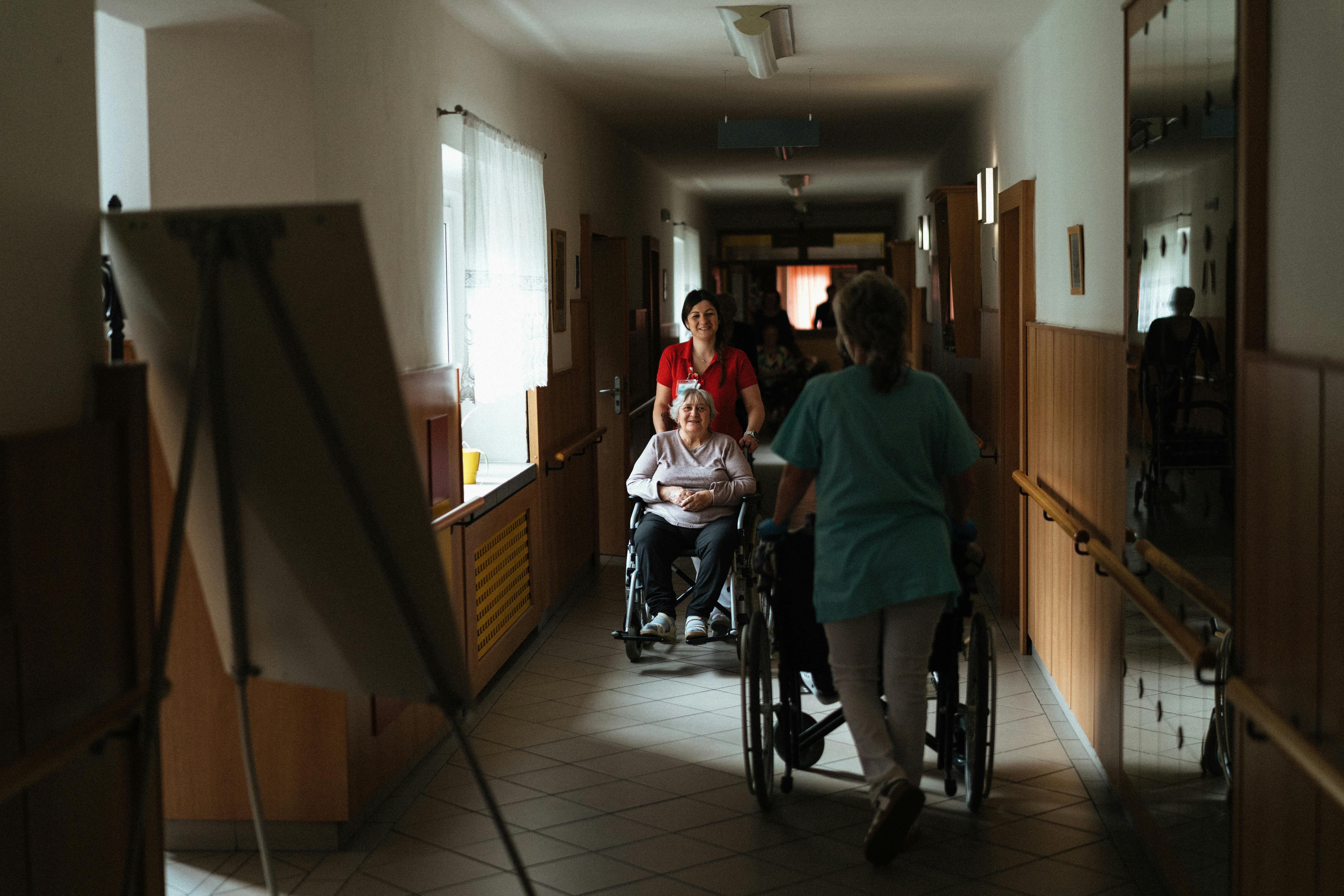
A sudden death inside a care facility raises more questions than answers for grieving families. Many assume the nursing home will conduct a fair investigation, but that rarely happens. Facility managers frequently hide critical details to protect themselves from legal consequences.
Attorneys approach these tragic situations with suspicion and a methodical process designed to uncover the truth. Legal teams know exactly where nursing homes hide damaging evidence like altered charts or deleted video footage. Proving a nursing home wrongful death requires a lawyer who knows how to piece together small clues that facility staff hoped no one would ever find. This article reveals the seven-step investigation strategy lawyers use to hold negligent facilities accountable for fatal mistakes.
Obtain Medical Records Immediately
A lawyer sends a formal preservation letter within hours of taking a new fatal neglect case. This legal document forbids the facility from destroying any paper or electronic files related to the deceased resident. Attorneys then hire certified record reviewers to scan every page for signs of tampering or late entries.
Legal teams look for medication logs where staff wrote the same time in different colored pens. Missing nursing notes from critical shifts signal an intentional cover-up by facility management. Early record seizure prevents the home from shredding documents that would expose their deadly shortcuts.
Interview Every Witness Present
Legal investigators locate former employees who left the facility under suspicious circumstances before the death occurred. Attorneys ask other residents about what they saw or heard during the shifts leading up to the fatality. Family members who visited frequently remember specific staff members acting nervous or evasive.
Lawyers depose the coroner who performed the autopsy to clarify any ambiguous findings on the death certificate. Witness statements sometimes contradict official facility reports, which reveal deliberate deception by management. Each interview adds another piece to the puzzle of what truly caused the resident’s final decline.
Reconstruct Staffing Records
A lawyer subpoenas daily shift schedules and time cards for the three months preceding the resident’s death. These documents expose patterns where the facility ran with dangerously few nurses during night shifts. Legal experts compare staffing levels against state minimum requirements to prove chronic understaffing.
Attorneys look for shifts where one worker cared for thirty or more residents at the same time. Facility records that show high turnover rates indicate a poorly managed operation, cutting corners. This evidence demonstrates that the death resulted from predictable neglect rather than an unavoidable accident.
Analyze Surveillance Video Footage
Legal teams request all security camera recordings from the week before and after the fatal incident. Many facilities record over their footage every fourteen days unless someone places a legal hold on it. Lawyers examine hallways near the deceased resident’s room for staff members who never entered to provide care.
Video sometimes shows nurses sitting at a station for hours while call lights flash unanswered in patient rooms. Attorneys look for footage where employees physically dragged or roughly handled the resident before their decline. This visual evidence proves exactly what happened and who bears responsibility for the fatal outcome.
Consult Medical Experts
Lawyers hire a geriatric medicine doctor to review the deceased person’s entire medical chart from admission to death. These specialists identify moments where standard protocols would have prevented the fatal complication from occurring. Expert witnesses calculate exactly how many hours or days the resident suffered before someone finally discovered them.
Attorneys ask wound care nurses to examine photos of bedsores and estimate when each injury first appeared. Medical experts testify about what a reasonably careful facility would have done differently in the same situation. Their professional opinions carry tremendous weight with juries who trust licensed healthcare providers.
A preventable death inside a care facility leaves families searching for answers that never come easily. Filing a nursing home wrongful death claim forces the responsible parties to face justice for their fatal decisions. A thorough legal investigation uncovers the hidden truth that facility managers desperately want to bury forever. No family should accept vague excuses when a loved one dies from predictable and preventable neglect.



Leave a Reply