1. Weatherstripping
That rubber or vinyl strip along the bottom and sides of your garage door? It’s called weatherstripping, and it’s doing more work than you might think. It’s the first line of defense against Chicago’s wild weather, keeping out more than just the elements.
A good seal prevents hot air from baking your garage in the summer and stops cold drafts from sneaking in during the winter. It also keeps out annoying pests and moisture that can lead to mold or damage. Over time, this weatherstripping can crack, dry out, or get torn, especially if you’ve got kids or pets who might bump into it. If you see gaps or the material looks worn, it’s time for a change.
Checking your weatherstripping is pretty straightforward. Just run your hand along the bottom edge when the door is closed. Feel for any drafts? Look for visible damage like tears or missing chunks. If it’s brittle or doesn’t spring back when you push it, it’s probably past its prime. Replacing it is usually a simple DIY job, but if you’re not comfortable, a pro can swap it out quickly. Making sure this seal is intact is key for keeping your garage comfortable and energy-efficient all year round.
2. Springs
Garage door springs are under a lot of tension. They help lift and lower the heavy door. Over time, these springs can wear out, especially with Chicago’s temperature swings.
Look closely at your garage door springs. Are there any signs of rust or damage? A broken spring can make your garage door impossible to open or close, and it’s a serious safety hazard. If you see any wear, it’s best to have them replaced by a professional. Trying to fix springs yourself is dangerous because of the stored energy.
When one spring shows signs of wear, it’s often recommended to replace both springs at the same time. This helps ensure balanced operation and prevents premature failure of the other spring. Regular checks of your garage door springs are a smart move.
3. Cables
Garage door cables are another part that needs a good look-over. These cables work with the springs to lift and lower your door. They’re usually made of steel, and over time, they can get worn out.
Check for any signs of fraying or rust on the cables. If you see any damage, it’s a good idea to get them replaced. Damaged cables can snap, which is a serious safety hazard. It’s also worth noting that if one cable looks worn, the other likely isn’t far behind. It’s often best to replace both cables at the same time to keep things balanced.
Think of the cables as the unsung heroes of your garage door system. They handle a lot of the heavy lifting, so making sure they’re in good shape is key to a smoothly operating door, especially with the temperature swings Chicago summers can bring.
4. Rollers
The rollers on your garage door are like its feet, allowing it to glide smoothly up and down the tracks. Over time, these rollers can wear out, crack, or accumulate debris, making the door harder to operate. A Chicago summer, with its temperature swings, can exacerbate issues with worn-out rollers.
Check each roller for signs of wear, such as cracks or flat spots. If they look damaged or are making grinding noises, it’s time for a replacement. Cleaning them regularly with a damp cloth can help remove dirt and grime that might impede their movement. Lubricating them with a silicone-based spray can also help keep things running smoothly.
When inspecting your rollers, take a moment to look at the tracks they run in. Ensure the tracks are clear of obstructions and that the rollers are seated properly within them. Damaged rollers can sometimes cause the door to come off its tracks, which is a safety hazard. Replacing worn rollers is a relatively simple DIY task for many homeowners, but if you’re unsure, a professional can handle it quickly. For homeowners who notice worn rollers, noisy movement, or safety concerns, World of Doors provides garage door repair and maintenance support for Chicagoland homes.
5. Tracks
Garage door tracks are the pathways that guide the rollers, keeping the door moving up and down smoothly. Over time, these tracks can get bent, misaligned, or clogged with debris, causing the door to stick or even come off its path entirely. It’s a good idea to give your garage door tracks a good look-over.
First, check for any obvious damage. Are the tracks bent or dented? Even a small bend can cause problems. Also, look for any loose bolts holding the tracks to the wall. If you find any loose hardware, tighten it up. The tracks need to be securely fastened to do their job right.
Next, clean out any gunk. Dirt, leaves, or even small pebbles can get stuck in the tracks, making it hard for the rollers to glide. A quick wipe-down with a damp cloth usually does the trick. Make sure to check the entire length of the tracks. Keeping the tracks clean is a simple but important step for smooth operation.
6. Hinges
Don’t forget about the hinges on your garage door. These small but mighty parts are responsible for allowing your door to fold and move smoothly along the tracks. Over time, hinges can become worn, bent, or even break, leading to a noisy and potentially unsafe operation.
Inspect each hinge for signs of rust, cracks, or excessive wear. If you notice any damage, it’s best to replace the affected hinge promptly. It’s also a good idea to lubricate your hinges periodically with a silicone-based spray. This simple step helps prevent friction and keeps the door operating smoothly, especially during the temperature swings Chicago summers can bring.
Pay attention to how your door sounds when it opens and closes. Squeaking or grinding noises often point to issues with the hinges or other hardware. Addressing these hinge problems now can save you from bigger headaches down the road.
7. Garage Door Opener
The garage door opener is the brain of your whole operation, and summer heat can really mess with its electronics. Think of it like your phone – leave it in a hot car, and it might not work right. The same goes for your opener. High temperatures can cause it to overheat, leading to sluggish performance or even complete failure.
Test your opener’s auto-reverse and safety sensors now. These are super important for preventing accidents. If the door stops unexpectedly or reverses for no reason, it’s a sign something’s up. Also, listen for any weird grinding or squealing noises when it operates; that usually means the motor or gears are struggling. A weak remote signal could also point to an issue with the opener itself or just dead batteries.
If your garage door opener is getting up there in age, say 10 to 15 years old, this summer might be the perfect time to think about an upgrade. Newer models are often quieter, more energy-efficient, and come with better security features. Don’t wait for it to quit on you during a busy summer day.
8. Safety Sensors

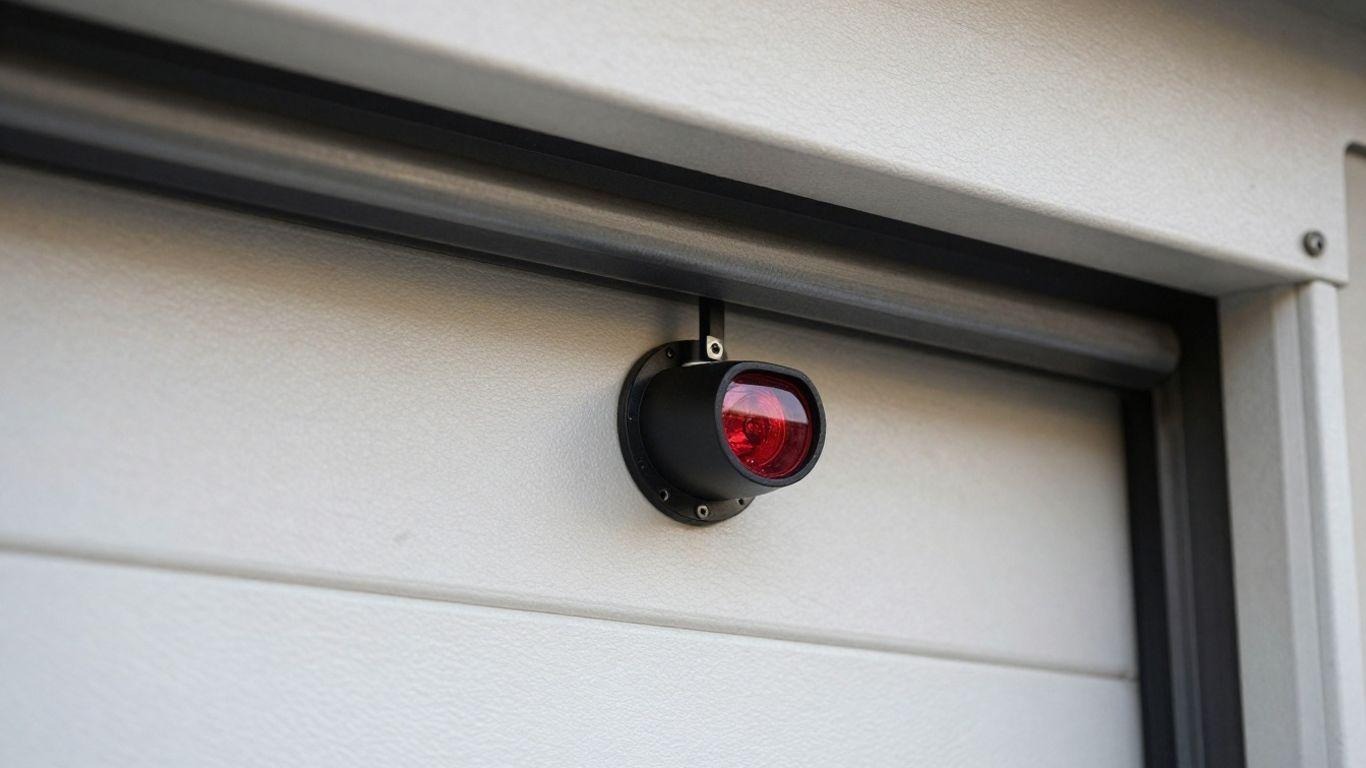
Your garage door has safety sensors, usually located near the bottom of the tracks. These are super important for preventing accidents. They send a beam of light across the opening, and if something breaks that beam while the door is closing, it automatically reverses.
Test these safety sensors regularly, especially before summer storms hit. It’s a simple check: place a broom handle or a box in the path of the closing door. If the sensors are working right, the door should stop and go back up. If it doesn’t, you’ve found a problem that needs fixing.
Make sure the sensors are clean and aligned properly. Dust or debris can block the beam, and if they’re knocked out of alignment, they won’t work. A quick wipe-down and a check to see if they’re pointing at each other is usually all it takes. Keeping these safety sensors in good shape is key to a safe garage.
9. Bolts
Summer heat and humidity can cause metal parts to expand and contract, potentially loosening bolts on your garage door. It’s a good idea to give all the visible bolts a quick check.
A loose bolt can lead to operational issues or even component failure.
Take a look at the hinges, the track brackets, and any other hardware connecting sections of your door. A simple tightening can prevent bigger problems down the line.
If you notice any bolts that are significantly rusted or stripped, it might be time to replace them. This is a small step that contributes to the overall stability of your garage door system.
Don’t underestimate the importance of these small fasteners. They hold a lot of weight and stress, especially during operation.
10. Panels

Take a good look at your garage door panels. These are the large sections that make up the door itself, and they can take a beating, especially with Chicago’s weather.
Check for any dents, cracks, or signs of warping. Extreme temperature swings, like those we get here, can stress the material. If you have a steel door, look for rust spots, particularly around any dings or scratches. For wood doors, keep an eye out for rot or splitting, especially at the bottom where moisture can collect. Damaged panels aren’t just unsightly; they can compromise the door’s insulation and structural integrity.
If you notice significant damage, it might be time to consider replacing those specific panels or even the entire door. The condition of your garage door panels directly impacts its appearance and function throughout the year.
Get Your Garage Door Ready for Anything
Taking a little time now to go through these checks can really make a difference. A well-maintained garage door works better and lasts longer, which is good for your wallet and your peace of mind. Don’t wait for a problem to pop up; a quick inspection and some basic upkeep can prevent bigger headaches down the road, especially with Chicago’s unpredictable weather. If anything seems off or you’re not sure how to fix it, calling a local pro is always a smart move to keep things running smoothly all year long.




Leave a Reply