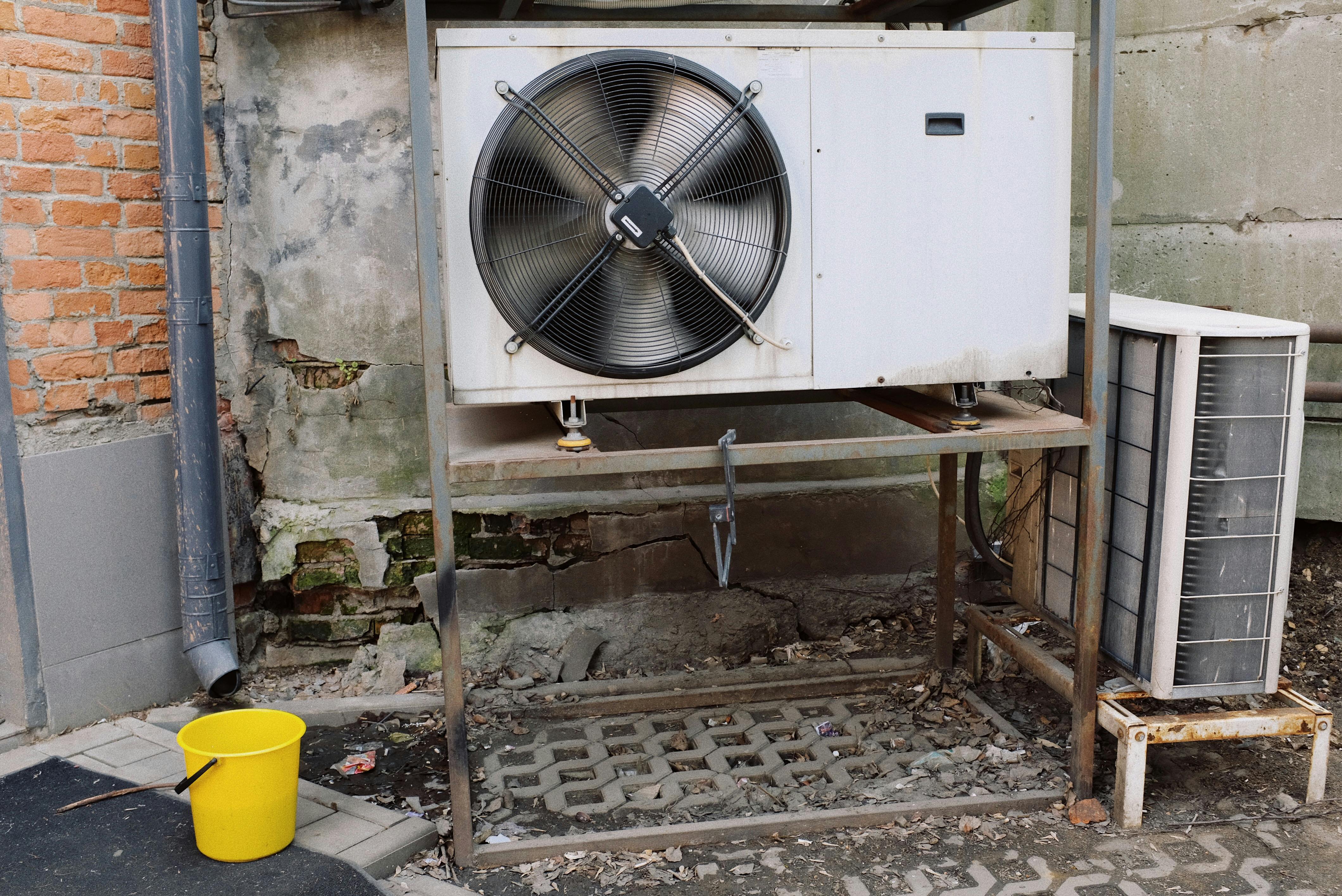
Modern houses contain sophisticated heating and cooling equipment that consumes a large portion of monthly utility bills. Many homeowners ignore routine professional checkups until strange noises or poor performance force an expensive service call. This wait-and-see approach allows small mechanical issues to waste electricity for months without anyone noticing the gradual decline.
Professional attention keeps climate systems running at peak performance while reducing unnecessary power consumption throughout every season. HVAC services improve energy efficiency by catching small faults before they force equipment to work harder than necessary. The following six sections explain exactly how scheduled professional care slashes wasted energy and lowers monthly expenses dramatically.
Dirty Air Filters Force Harder Equipment Work
Clogged filters block proper airflow and make blower motors strain against unnatural resistance continuously. That extra effort pulls more electricity while moving less air through ductwork to reach living spaces. A filthy filter also allows dust to settle on sensitive internal parts like the evaporator coil and fan blades.
Those dirty components lose their ability to transfer heat effectively, which forces longer run cycles during hot afternoons. Professional technicians replace or clean filters during every visit to maintain unrestricted airflow at all times. This simple ten-minute task prevents the most common cause of rising energy bills in residential properties.
Low Refrigerant Steals Cooling System Output
Air conditioning units require precise chemical levels inside sealed copper lines to remove heat properly. Tiny leaks allow refrigerant to escape slowly without leaving visible stains or wet spots behind. Low levels force compressors to run extended cycles while producing weaker cooling for every room inside a house.
That extended runtime draws significantly more electricity over weeks and months before a homeowner notices the difference. A professional hvac maintenance service includes leak checks and pressure measurements to confirm proper chemical charges. Restoring correct refrigerant levels immediately cuts power consumption while improving indoor comfort during summer heat waves.
Loose Electrical Connections Generate Waste Heat
Normal equipment vibrations slowly loosen wire terminals and electrical connections throughout a climate control system. Loose contacts create electrical resistance that converts useful electricity into wasted heat rather than mechanical work. That excessive warmth also damages wire insulation and increases fire hazards inside mechanical closets or basements.
Faulty connections cause control boards to malfunction and cycle equipment on and off more frequently than necessary. Professional inspections tighten every terminal and measure voltage drops across critical circuits to eliminate this waste. This preventive step removes a hidden source of excess power draw that many owners never recognize.
Dirty Coils Block Proper Heat Transfer
Outdoor condenser coils collect grass clippings, pollen, road dust, and cottonwood seeds throughout cooling seasons. Layer upon layer of grime acts like a blanket that prevents proper heat release into the outside air. Higher internal pressures force compressors to draw extra amperage while running longer to achieve thermostat setpoints.
Indoor evaporator coils also collect household dust and grease, which reduces their capacity to absorb warmth from rooms. Professional coil cleaning restores proper heat exchange and lowers monthly electrical expenses immediately after the service is completed. Clean coils also reduce thermal stress on compressors, which prevents premature failures that require full system replacements.
Worn Fan Belts Reduce Air Movement Efficiency
Blower assemblies rely on rubber belts to transfer rotational force from motors to fan wheels or squirrel cages. Heat and friction cause these belts to crack, stretch, or lose appropriate tension over many months of operation. A loose belt slips against pulleys and wastes mechanical energy as squealing noises rather than productive airflow.
That slippage forces motors to spin faster and draw more electricity just to move the same volume of air. Routine maintenance includes belt tension adjustments and early replacement of parts showing visible wear patterns. These small corrections restore proper power transfer and eliminate the efficiency losses caused by slipping connections.
Scheduled professional care transforms wasteful residential climate systems into lean, efficient machines that cost less to operate. HVAC services improve energy efficiency through simple actions like filter changes, coil cleaning, and belt adjustments performed during routine visits. Homeowners who invest in regular checkups enjoy lower utility bills without sacrificing indoor comfort during extreme weather months. Consistent preventive attention produces measurable savings that quickly exceed the modest cost of professional maintenance agreements.




Leave a Reply