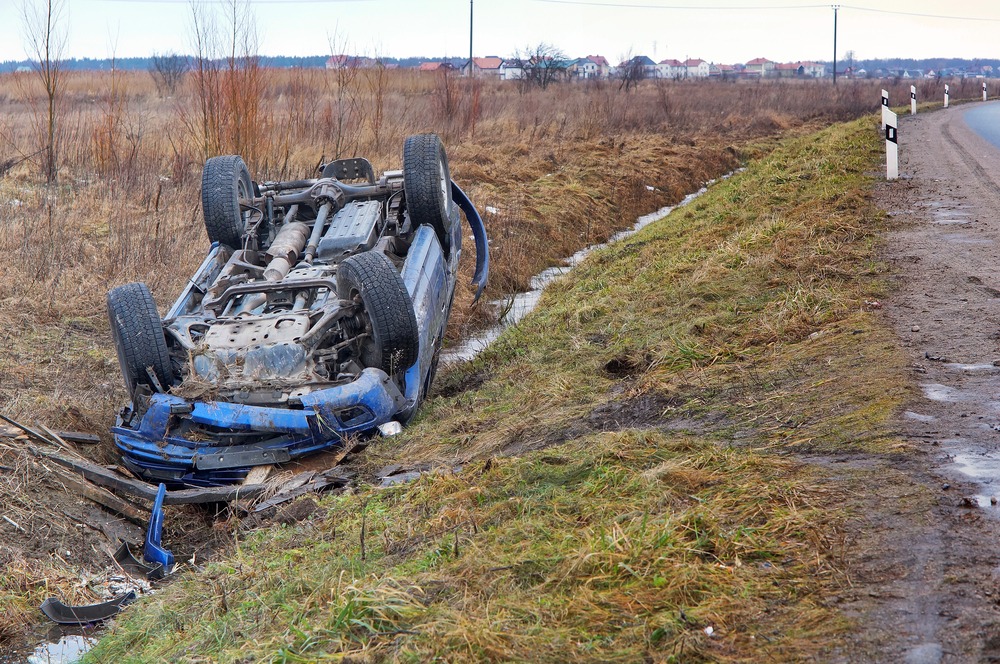
Television clips and dramatic news stories have created many ideas about rollover accidents that are not always true.
People often assume these crashes happen in only one way or that the cause is easy to identify. In reality, rollover accidents involve many factors, and every situation is different. Misunderstandings can affect expectations about injuries, vehicle damage, and what happened before the crash. Someone researching the event may even speak with a rollover accident attorney to better understand the circumstances.
Looking beyond common beliefs helps people see why these crashes are often more complicated than they first appear.
Why Rollover Crashes Are Often Misunderstood
Rollover accidents usually attract attention because they look dramatic. This often leads people to form conclusions based on appearances instead of facts.
Movies and online videos have also created the idea that every rollover follows the same pattern. However, many crashes happen under different conditions and involve several contributing factors.
Assumption 1: Only High-Speed Crashes Lead to Rollovers
The Reality Behind Low-Speed Rollovers
Many people believe a rollover requires extreme speed. That is not always true.
Some rollovers begin after a vehicle hits an uneven shoulder, strikes an object, or loses balance during a sudden movement. Even low-speed situations can create conditions that lead to a rollover.
Assumption 2: Bigger Vehicles Are Always Safer
Vehicle Size Does Not Eliminate Rollover Risk
Large vehicles often provide more space and protection, but size alone does not remove rollover risks.
SUVs and pickup trucks have higher centers of gravity than smaller cars. Because of this, certain turns or sudden movements may affect stability differently. Vehicle design plays a role, but it does not guarantee protection from every situation.
Assumption 3: A Vehicle Must Hit Another Car to Roll Over
Single-Vehicle Incidents Are More Common Than Many Think
Many people assume another driver must be involved. Yet some rollover accidents happen without contact with another vehicle.
Drivers may react suddenly to avoid animals, road debris, or changing weather conditions. A quick steering movement can sometimes begin a chain of events that ends in a rollover.
Assumption 4: Wearing a Seat Belt Prevents All Serious Injuries
Seat Belts Help, But They Cannot Eliminate Every Risk
Seat belts are important safety devices, but they do not prevent every injury.
People inside a vehicle may still experience head injuries, neck injuries, or trauma from multiple impacts. Roof damage and violent motion inside the cabin can also contribute to severe injuries. Learning about driver behavior can help explain why different outcomes occur in similar crashes.
Assumption 5: Visible Vehicle Damage Tells the Whole Story
Injuries and Internal Damage Are Not Always Obvious
A damaged vehicle may attract immediate attention, but appearances do not always show everything. Looking closely at vehicle damage can sometimes reveal details that are not obvious during an early inspection.
Some injuries develop slowly. Pain, dizziness, or other symptoms may appear hours or days later. Likewise, damage hidden beneath the surface of the vehicle may not be obvious during an early inspection.
Because of this, initial appearances can sometimes create false impressions.
Assumption 6: Passengers and Drivers Always Remember the Crash the Same Way
Stress and Trauma Can Affect Memories
People inside the same vehicle may remember different details.
Fear and confusion often affect memory. A passenger may focus on one moment while the driver remembers another. These differences do not always mean someone is wrong. Stress affects how people process events.
This is why accounts of serious crashes sometimes vary.
Assumption 7: Every Rollover Accident Has One Simple Cause
Several Factors Often Work Together
People often search for one clear explanation, but rollover accidents rarely have a single cause.
Weather, road conditions, vehicle design, speed, and split-second decisions may all play a part. One factor can influence another, creating a sequence that becomes difficult to separate later.
Understanding the entire picture often requires looking at every piece rather than focusing on one detail.
How Misunderstandings Affect What People Expect
Misconceptions can create confusion after a crash.
People may expect immediate answers or assume responsibility is obvious. Others believe injuries should appear right away or that memories will remain clear.
These expectations do not always match reality. Every crash has unique circumstances, and many questions require careful review.
Conclusion
Relying on common beliefs can prevent people from understanding what truly happened. Looking at facts instead of assumptions helps create a clearer picture.
Someone speaking with a rollover accident attorney may learn that multiple conditions influenced the crash rather than a single event. Rollover accidents are often more complex than they first appear. By recognizing these seven misconceptions, people can approach these situations with a better understanding and more realistic expectations.



Leave a Reply