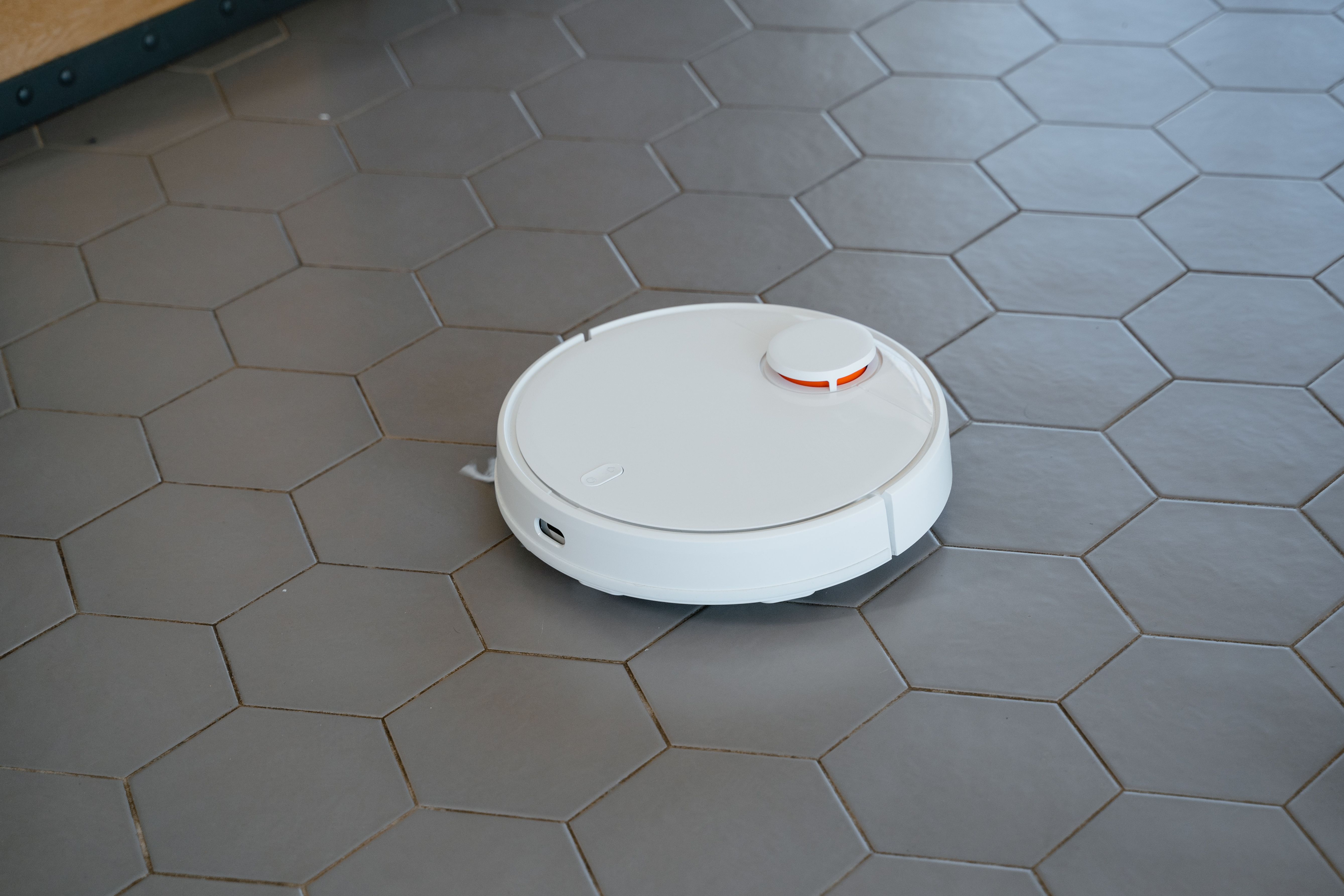
Robot vacuums have become a genuine fixture in many households over the past several years, and the marketing around them has grown increasingly confident about their capabilities. The better models genuinely do impressive work at specific tasks. The gap between what they’re marketed to do and what they actually accomplish is worth understanding clearly, partly because it helps households use them most effectively and partly because it clarifies what cleaning needs remain regardless of how sophisticated the technology gets.
This isn’t an argument against robot vacuums. They’re useful tools for specific purposes. But they’re tools with defined capabilities and clear limitations, and understanding both helps households make better decisions about how to integrate them into a cleaning approach rather than assuming they solve all cleaning problems.
CJS Cleaning Solutions fields questions about robot vacuums regularly from clients who want to understand how professional cleaning relates to what their robot vacuum is already doing, and the honest answer addresses both what these devices do well and what they categorically cannot replace.
What Robot Vacuums Actually Do Well
The strongest use case for robot vacuums is maintaining low levels of surface debris on hard floors and low-pile carpet through frequent automated passes. Running daily or several times per week, a robot vacuum prevents the accumulation of loose dust, pet hair, and crumbs on floor surfaces in ways that meaningfully reduce how visible floor debris is day to day.
This frequent maintenance function is something robot vacuums genuinely do better than human-led cleaning in one specific respect: consistency. A robot vacuum that runs on schedule doesn’t skip days because life got busy. For households with pets that shed continuously or with young children who generate floor debris regularly, this frequency benefit is real and valuable.
Navigation technology in better models has improved significantly, with mapping capabilities that allow systematic coverage rather than random movement, and obstacle avoidance that prevents the stuck-in-corners or fallen-off-stair problems of earlier generations.
The Cleaning Depth Limitation
Robot vacuums clean surfaces. They don’t deep clean, and the distinction matters considerably. Surface debris removal is one component of carpet maintenance, but the soil that works into carpet fibers over time through foot traffic requires extraction cleaning with equipment that agitates the fibers and uses suction to pull out embedded material. Robot vacuums don’t do this.
The same distinction applies to hard floors where oils, grease, and sticky residues build up on the surface and don’t respond to dry vacuuming. Robot vacuums move these surface residues slightly but don’t clean them. Mopping is a separate function that some hybrid robot models attempt, though the mopping capability of current robot models is significantly less effective than their vacuuming function due to the limited pressure and scrubbing action available from a small, light device.
The Areas Robot Vacuums Simply Can’t Reach
Corner cleaning is a documented limitation of round robot vacuums. The round disc shape that makes navigation efficient creates a geometric problem in square corners where the device can’t get close enough to clean effectively. Debris accumulates in corners that the robot consistently passes near but doesn’t reach.
Under furniture with very low clearance stops robot vacuums at the threshold. Spaces under low-profile sofas, beds with minimal clearance, and certain cabinets are areas where debris accumulates but robot vacuums don’t reach, creating cleaning gaps that aren’t visible during normal use but become apparent when furniture is moved.
Stairs are an obvious limitation. Multi-story households need either manual vacuuming or additional robot units for each level.
What Professional Cleaning Addresses That Robot Vacuums Don’t
Professional cleaning addresses the full three-dimensional space of a home rather than just floor surfaces. Baseboards, ceiling fans, light fixtures, window tracks, upholstered furniture, kitchen surfaces, bathroom fixtures, appliance interiors, and the dozens of other surfaces and spaces that accumulate dust, grease, and biological material over time are all outside the operating scope of a robot vacuum.
The deep cleaning of carpet and upholstery that addresses embedded soil rather than surface debris requires equipment and technique that is categorically different from what automated consumer devices provide. This isn’t a matter of robot technology being early-stage and eventually catching up. The physics of extraction cleaning involve water volume, temperature, and suction pressure that a small automated household device isn’t designed to provide.
How the Two Work Together Rather Than Competing
The most useful framing is that robot vacuums maintain daily surface cleanliness on floors, and professional cleaning addresses the accumulated buildup that develops in all the areas and depths that daily surface maintenance doesn’t reach. These are complementary functions rather than competing ones.
Households that use robot vacuums consistently and schedule professional cleaning periodically often find that the professional cleaning sessions take less time than in households without the daily maintenance, because surface floor debris isn’t part of what needs to be addressed during the professional visit. The professional cleaning can focus on the areas that require it rather than covering floor vacuuming that’s already handled.
CJS Cleaning Solutions approaches households with robot vacuums by focusing cleaning visits on what the technology genuinely doesn’t address: surfaces above floor level, embedded soil, and the specific areas that require human judgment and professional equipment to clean effectively, making the combination of automated daily maintenance and periodic professional cleaning more comprehensive than either approach provides independently.




Leave a Reply