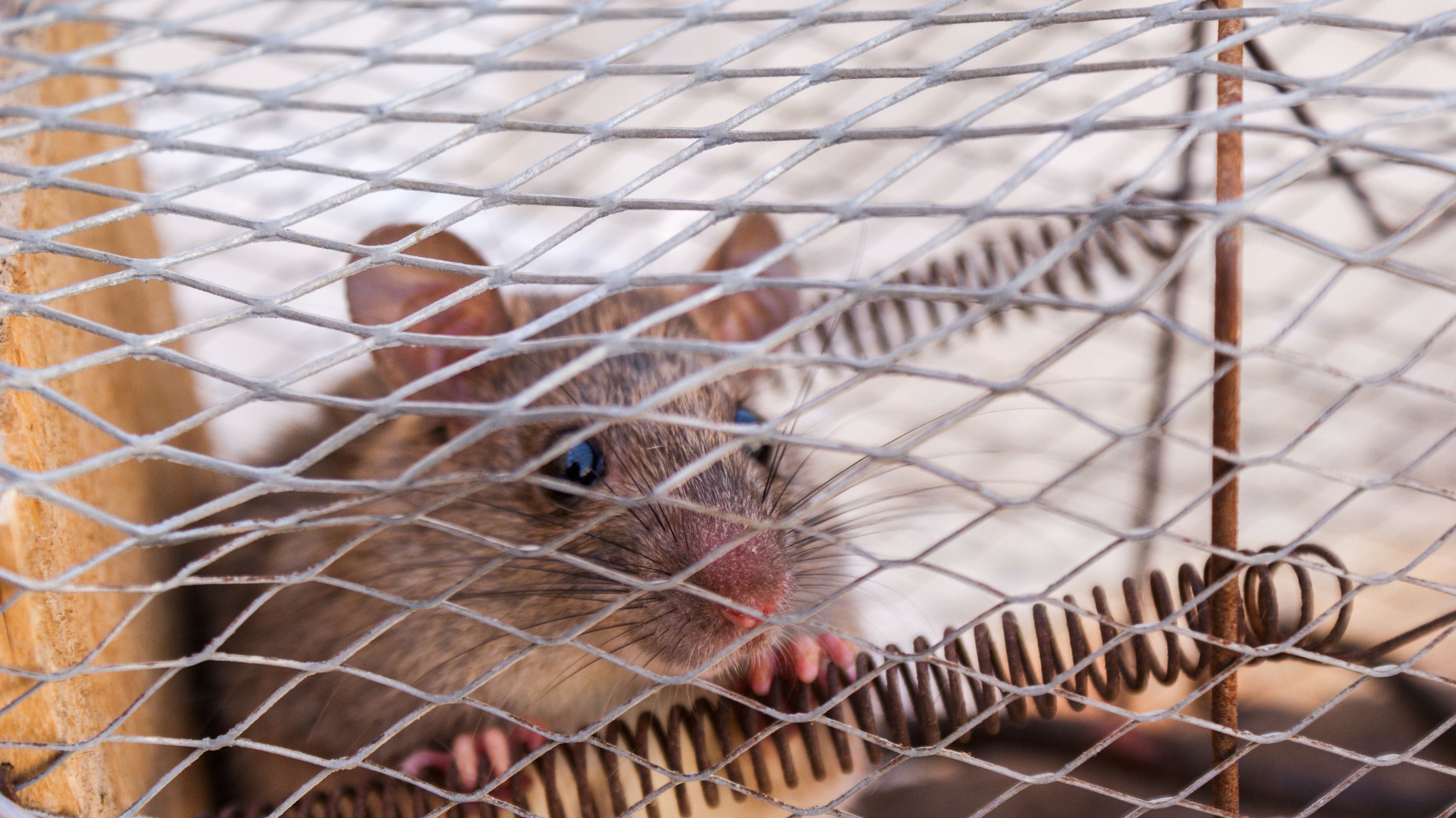
By the time someone spots a cockroach running across the floor or finds mouse droppings behind a shelf, the pests have usually been there for a while. That’s just how it goes.
We’ve walked through plenty of commercial properties around Melbourne, and honestly, the first thing we look for isn’t the pest. It’s what made the place attractive in the first place. Nine times out of ten, there’s a reason. Maybe a slow leak under the sink that’s been ignored. Maybe cardboard boxes stacked in the same corner for months. Sometimes it’s as simple as food scraps collecting under equipment that nobody moves during the weekly clean.
Little things. Until they aren’t. That’s why we don’t look at commercial pest control in Melbourne as turning up, spraying a few areas, and heading off. If the reason the pests came in is still sitting there, chances are they’ll find their way back.
The Quiet Businesses Usually Aren’t Lucky
People sometimes tell us, “We’ve never really had a pest issue.” Maybe they haven’t. Or maybe they’ve been keeping small problems from becoming big ones without even thinking about it.
A lot of businesses now book regular pest visits instead of waiting until something goes wrong. Industry figures suggest about 72% of commercial pest management contracts now follow a scheduled plan rather than emergency call-outs. Looking at the places we visit every week, that doesn’t surprise us at all.
When someone’s checking the building regularly, it’s easier to catch a gap under a roller door, signs of rodent activity or moisture building up behind storage before it becomes everyone’s problem. That’s a big part of commercial pest control in Melbourne these days. Prevention gets far more attention than it used to.
Spraying Isn’t Always the Answer
People are often surprised when we spend more time looking around than actually treating the building. We’ll check the bins. The drains. Storage rooms. Roof voids. Anywhere pests like to hide.
Sometimes we don’t even start with a treatment. If we find standing water or obvious entry points, that’s where the conversation starts. Because there’s not much point dealing with the pests if the building is still inviting them back tomorrow.
Industry reports suggest around 68% of repeat infestations are linked to things like moisture, food waste, entry points or poor housekeeping rather than the treatment failing. That lines up with what we’ve seen over the years.
It’s one reason commercial pest control in Melbourne has changed. These days, it’s just as much about fixing conditions as it is about dealing with pests themselves.
Food Businesses Have More to Think About
If you’re running a café, restaurant, food factory or commercial kitchen, there’s another layer to all of this. Records matter. Many businesses work under HACCP food safety programmes and Food Standards Australia New Zealand requirements. During an audit, it’s not unusual for inspectors to ask for pest reports, monitoring records or site plans showing what’s been checked and when.
Industry data suggests around 81% of commercial food businesses going through third-party audits keep those records up to date. That makes sense.
For a lot of our clients, commercial pest control in Melbourne isn’t only about keeping pests away. It’s also about having the paperwork ready when someone asks for it.
Different Ways of Handling the Same Problem
| Approach | What It Looks Like | What Usually Happens |
| Reactive pest control | Someone calls after pests are seen. Very little ongoing monitoring. | More repeat issues and unexpected disruptions. |
| Preventative pest program | Regular inspections, monitoring and written reports. | Smaller problems are picked up earlier and audits tend to run more smoothly. |
| Integrated Pest Management (IPM) | Monitoring, housekeeping, building maintenance and targeted treatments working together. | Better long-term control without relying on constant chemical treatments. |
We’ve Seen This Pattern Too Many Times
Daniel Mercer, a Senior Commercial Pest Management Consultant, put it well: “The businesses with the fewest pest incidents aren’t necessarily the ones spraying more often—they’re the ones treating pest control as part of their facility maintenance and food safety program, not as a last-minute emergency.” That sounds about right.
Looking back at the jobs we’ve done over the years, the busiest emergency weeks usually happen after months of small warning signs being ignored. The businesses that stay on top of inspections rarely end up dealing with the same level of disruption.
That’s probably the biggest thing we’ve learnt while providing commercial pest control in Melbourne from RF Pest Management. Most pest problems don’t arrive out of nowhere. They build up quietly. And if you catch them early, they’re usually a whole lot easier to deal with.



Leave a Reply