Solar generator lifespan depends mostly on battery durability, daily operating habits, and how well the system is maintained over time. Most units last for years, but actual longevity changes based on battery chemistry, charge cycles, storage conditions, and load demands. A generator used gently and charged correctly will usually perform far longer than one exposed to deep discharges, heat, dust, or constant heavy output.
Understanding these factors helps buyers choose better equipment and helps owners protect their investment after purchase. This guide explains what affects solar generator lifespan most and outlines practical steps that support stronger performance, battery health, and dependable long-term backup power.

What Factors Affect a Solar Generator’s Lifespan?
Battery Type and Charge Cycle Performance
Battery chemistry has the biggest influence on solar generator lifespan. Lithium iron phosphate, or LFP, usually outlasts older battery types because it handles more charging cycles before capacity drops to a less useful level. Charge cycle performance matters because every full cycle gradually wears the battery. A model built with durable cells can deliver stable power for much longer under normal use.
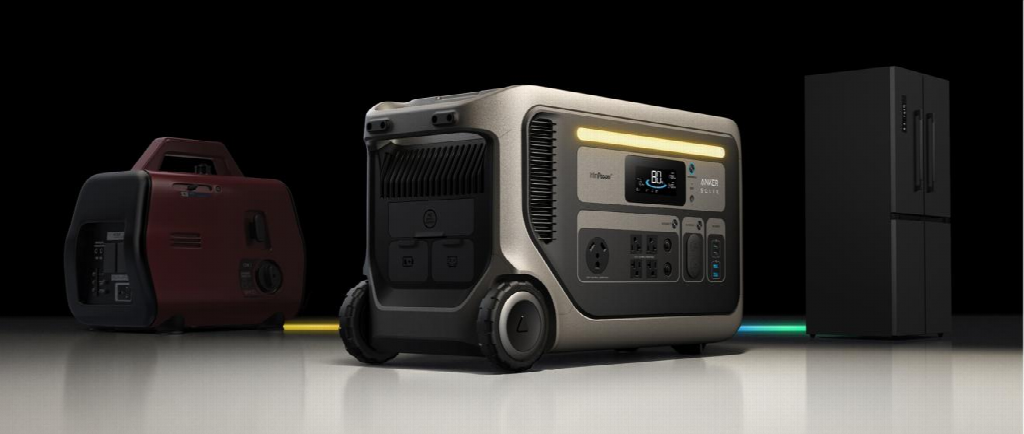
When comparing options, users searching for the best solar generator should consider battery chemistry, cycle rating, and long-term capacity retention instead of focusing only on output power. For example, the Anker SOLIX F3000 uses 4,000-cycle LFP batteries and is designed for a 10-year lifespan with InfiniPower™, showing how battery design directly supports longevity.
Usage Frequency and Power Demand
How often a solar generator runs and how hard it works both affect how quickly components age. Frequent use is not automatically harmful, but repeated deep discharges and constant high-wattage loads create more stress on the battery and inverter. Running power-hungry appliances for long periods can raise internal temperatures and accelerate wear.
Shorter, moderate loads are generally easier on the system than pushing it near maximum output every day. Matching the generator to realistic household, outdoor, or emergency needs is essential. When users choose enough capacity for their routine power demand, the system cycles more efficiently, operates with less strain, and usually maintains stronger long-term performance and battery health.
Environmental Conditions and Storage Habits
Heat, moisture, dust, and poor storage practices can shorten solar generator lifespan even when the unit is not used heavily. High temperatures are especially damaging because they accelerate battery degradation and can reduce overall efficiency. Very cold conditions can also affect charging performance if the system is not designed for them.
Storing a generator fully drained for long periods may weaken the battery and make recovery harder later. It is better to keep the unit in a clean, dry place with moderate temperatures and check its charge level periodically. Protecting ports, cables, and vents from dirt and humidity also helps prevent corrosion, airflow blockage, and premature wear across the entire system.

How Can You Extend Solar Generator Lifespan?
Follow Proper Charging and Discharging Practices
Good charging habits are one of the most effective ways to extend solar generator lifespan. Recharge the unit before it sits at a very low battery level for too long, and avoid draining it to empty unnecessarily. Shallow to moderate discharge patterns are generally better for long-term battery health than repeated full depletion. Use compatible charging methods and follow the manufacturer’s guidance for AC, solar, or car charging input.
If the generator will be stored, leave it at a recommended charge level and top it up at intervals. Consistent, controlled charging reduces stress on the battery, supports better capacity retention, and helps the system deliver reliable performance over many more cycles and seasons.
Keep the System Clean and Well Maintained
Routine maintenance helps a solar generator run cooler, safer, and more efficiently over time. Keep air vents clear so heat can escape properly, and wipe dust from the housing, display, and ports before buildup becomes a problem. Check cables and connectors for wear, looseness, or corrosion, especially if the generator is used outdoors or moved often. Clean solar input connections carefully to support stable charging performance.
Firmware updates, when available for your model, may also improve charging behavior, efficiency, or system monitoring. A simple maintenance schedule prevents small issues from turning into major failures. Clean equipment with healthy connections usually experiences less stress and delivers more dependable long-term operation.
Use Smart Power Management to Reduce Wear
Smart power management reduces battery strain and helps preserve internal components. Instead of running every device at once, prioritize essential loads and spread demand more evenly. Turn off unused outputs, avoid unnecessary standby drain, and choose energy-efficient appliances whenever possible. Managing wattage carefully keeps the inverter from operating near its limit for extended periods, which can reduce heat and wear.
During outages or off-grid use, planning energy use by hour or device can noticeably improve battery longevity. It also helps to size solar input appropriately so the generator can recharge consistently rather than staying in a low-charge state. Thoughtful power use supports longer service life and steadier performance overall.
Conclusion
Solar generator lifespan is shaped by a few clear factors: battery chemistry, cycle durability, operating load, charging habits, maintenance, and storage conditions. Among these, battery quality and daily use patterns have the strongest long-term impact.
Choosing a unit with durable LFP batteries is a smart starting point, but lasting performance also depends on keeping the system clean, avoiding unnecessary deep discharges, and protecting it from heat and moisture. With the right habits, a solar generator can stay reliable for many years of backup or off-grid use. Better care leads directly to better battery health, stronger efficiency, and longer overall service life.




Leave a Reply