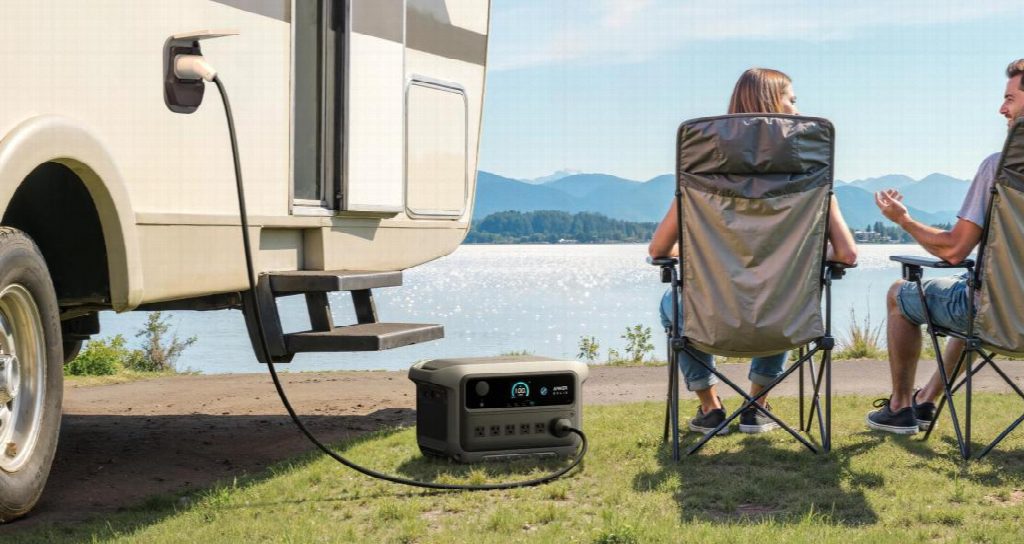
Portable power stations should include the ports that let you run essential devices, recharge quickly, and adapt to different environments. The most important outputs are usually AC outlets for household appliances, USB and USB-C ports for personal electronics, and DC ports for vehicle gear or outdoor equipment. Good charging inputs also matter, especially for wall charging and solar recovery.
When the port selection is balanced, a power station becomes far more useful for home backup, road trips, camping, job sites, and emergency preparation. The right mix of ports determines convenience, compatibility, and long-term value.

Essential Output Ports Every Portable Power Station Should Include
AC Outlets for Appliances and Larger Devices
AC outlets are the core ports for running devices that use standard household plugs. They power refrigerators, fans, routers, lamps, CPAP machines, small kitchen appliances, and many power tools, so they are essential for both backup and off-grid use. Look for enough outlets to run several items at once without relying on extension strips. It also helps to check the outlet type and intended use.
For example, the Anker SOLIX C2000 Gen 2 Portable Power Station includes AC Output (NEMA 5-20R), AC Output (Bi-Directional Inlet box), and AC Output (TT-30R), which support broader compatibility for home, RV, and higher-demand applications in one system.
USB and USB-C Ports for Everyday Electronics
USB ports handle the devices people charge most often, including phones, tablets, earbuds, cameras, handheld gaming devices, lights, and some laptops. A portable power station should have both USB-A and USB-C outputs because many accessories still use USB-A, while newer devices increasingly depend on USB-C.
Fast-charging USB-C is especially valuable for tablets, drones, and laptops that need higher wattage and shorter charging times. Multiple USB ports also reduce the need for wall adapters and make shared charging easier during outages or travel. A balanced USB setup turns a power station into a practical hub for personal electronics, remote work gear, and everyday communication devices.
Additional Ports That Improve Versatility in Different Situations
DC Outputs for Outdoor and Vehicle Equipment
DC outputs add flexibility that AC and USB alone cannot provide. They are useful for portable fridges, air pumps, vehicle accessories, ham radios, camping lights, and other gear designed for direct current power. A 12V car socket is especially helpful because many travel and emergency devices already use that plug type. DC ports can also be more efficient for compatible equipment, since they avoid unnecessary power conversion.
For outdoor users, overlanders, and RV owners, these outputs make portable power stations much more adaptable. Having a dedicated car charger output means you can support road-ready equipment directly and keep essential mobile gear operating with less setup.
Solar and Charging Inputs for Flexible Energy Recovery
Output ports matter most during use, but input options determine how quickly the unit is ready again. A strong portable power station should support standard AC charging for fast recharging at home and solar input for off-grid recovery. Solar capability is particularly important for camping, extended outages, and RV travel because it lets you replenish energy without fuel.
The Anker SOLIX C2000 Gen 2 Portable Power Station includes AC Input (AC Charging Cable) and PV /XT-60i Input, giving users two practical ways to recharge in different settings. That combination improves resilience, supports renewable charging, and helps the station stay useful far beyond a single discharge cycle.
How to Choose the Right Port Combination for Your Needs?
Matching Ports With Home Backup and Emergency Devices
For home backup, prioritize the ports that match the devices you are most likely to run during an outage. AC outlets should cover essentials such as a modem, lamp, fan, medical device, or refrigerator, while USB ports should keep phones and battery-powered lights charged. If you rely on car-style coolers, radios, or emergency inflators, a 12V DC port is also worthwhile. Count how many devices may need power at the same time, not just which types you own.
The best setup supports your real emergency routine without adapters scattered everywhere. A practical port layout makes backup power faster to use and easier to manage under stress.
Considering Future Devices and Multiple Charging Needs
A good port selection should work for the devices you own now and the ones you are likely to add later. USB-C has become increasingly important for laptops, tablets, power banks, and camera gear, so choosing a station with several modern charging options helps extend its usefulness. Think beyond single-device charging and consider households, travel groups, or work setups where several people need power at once.
Extra AC outlets and multiple USB ports can prevent constant swapping and waiting. It is also smart to choose input options that support future solar use. A forward-looking port mix keeps the station convenient, relevant, and easier to integrate into daily life.
Conclusion
A portable power station should have a well-rounded set of ports: AC outlets for household devices, USB-A and USB-C for everyday electronics, DC outputs for travel and outdoor gear, and reliable charging inputs for wall and solar recharging. That combination covers the widest range of real-world needs, from emergency backup to camping and mobile work.
The best choice is not simply the model with the most ports, but the one with the right types and quantity for your equipment. When a power station offers practical output variety and flexible input options, it delivers far better convenience, readiness, and long-term usefulness.




Leave a Reply