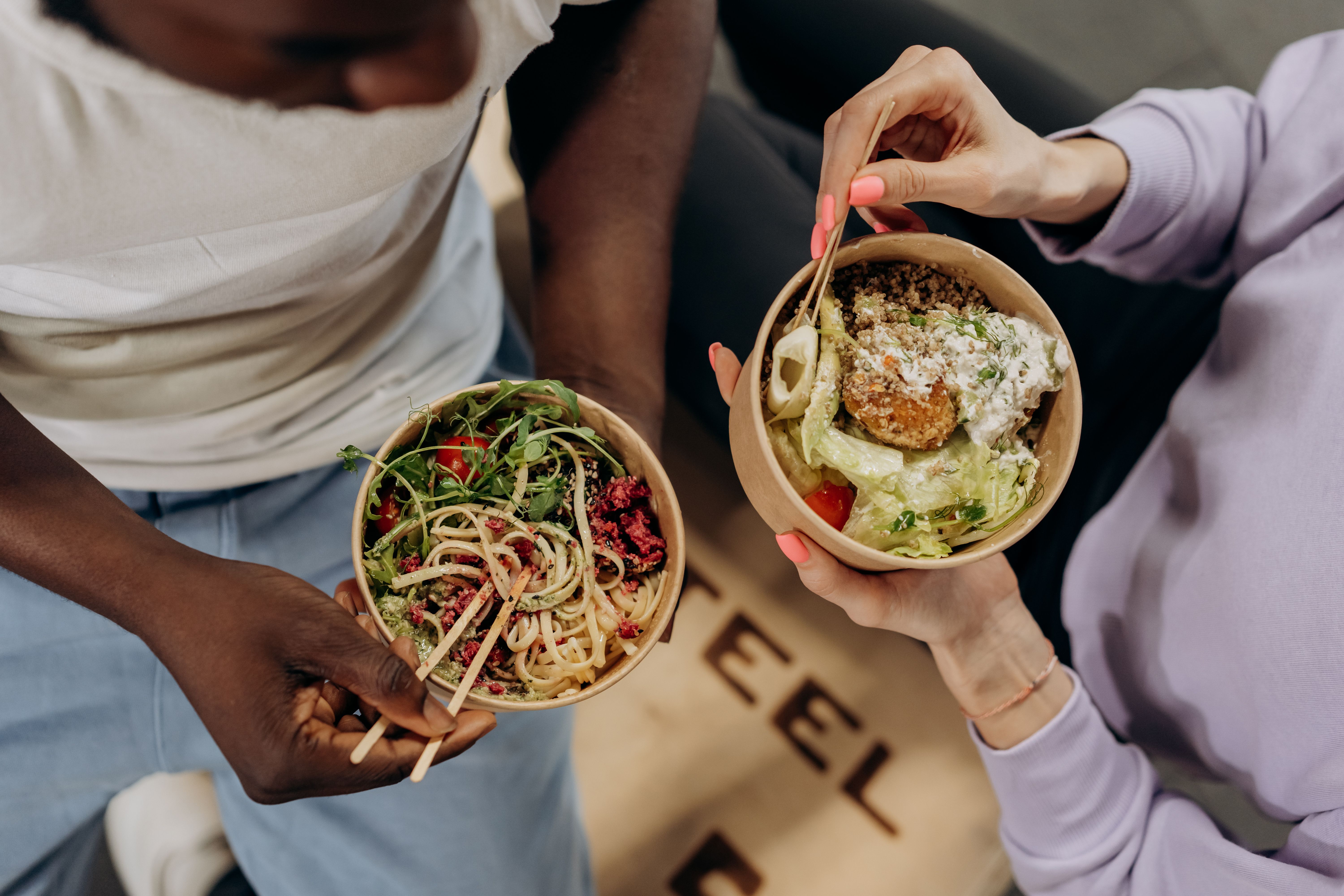
Changing consumer habits, emerging food trends, and a growing focus on overall wellness are reshaping the way Americans approach nutrition.
Americans are paying closer attention to what they eat and how everyday food choices affect their health, energy levels, and overall well-being. While traditional nutritional advice continues to emphasize balanced meals and dietary variety, emerging food trends are influencing everything from grocery shopping and meal preparation to the ingredients consumers choose.
Functional mushrooms, protein-rich foods, gut-friendly ingredients, and personalized meal planning are among the developments gaining attention in the wellness industry. At the same time, convenience and flexibility remain important as people look for practical ways to improve their eating habits.
Although new products and nutritional trends offer additional choices, healthier eating does not necessarily require expensive supplements or restrictive diets. Understanding the latest developments can help consumers make informed decisions while maintaining sustainable eating habits.
Functional Mushrooms Find a Place in Everyday Wellness
Functional mushrooms are becoming increasingly popular as consumers explore ingredients traditionally used in various wellness practices. Varieties such as lion’s mane, turkey tail, reishi, and cordyceps are now appearing in coffee alternatives, powdered supplements, beverages, and specialty food products. Much like adding a nutrient-dense Moringa supplement Amazon shoppers routinely pair with adaptogenic blends, incorporating these functional fungi reflects a growing appetite for holistic daily nourishment.
Each variety contains different naturally occurring compounds that have attracted scientific and consumer interest. Lion’s mane, for example, has been studied for its potential relationship with cognitive function, while turkey tail contains polysaccharides that researchers have examined for their interactions with immune processes.
Understanding the differences between turkey tail and lion’s mane mushrooms can help consumers become more familiar with their individual characteristics, traditional uses, and nutritional compounds.
Their growing popularity reflects a broader interest in incorporating traditional ingredients into modern eating routines. However, research into potential health benefits remains ongoing, and functional mushrooms should not be considered replacements for established medical treatments or a balanced diet.
Protein Becomes a Priority Beyond the Gym
Protein-rich foods are no longer marketed exclusively toward athletes and fitness enthusiasts. Supermarkets increasingly feature protein-enriched cereals, yogurt, snack bars, and ready-to-drink beverages aimed at everyday consumers.
Protein plays an important role in maintaining muscle tissue, repairing cells, and supporting normal bodily functions. It is also an important consideration for people interested in maintaining strength and supporting an active lifestyle.
Fortunately, consumers do not need specialized products to incorporate adequate protein into their diets. Eggs, fish, poultry, dairy products, beans, lentils, nuts, and soy-based foods provide a variety of options.
For many households, including appropriate protein sources in regular meals offers a practical alternative to relying heavily on supplements. Convenient protein products can still serve a purpose when schedules make traditional meal preparation difficult.
Gut Health Influences Food Shopping Decisions
Digestive health has become another major focus in contemporary nutrition. Growing interest in the gut microbiome has encouraged consumers to explore foods containing probiotics, prebiotics, and dietary fiber.
Fermented foods such as yogurt, kefir, kimchi, and sauerkraut are attracting attention because they can provide beneficial microorganisms or support digestive processes. Meanwhile, fiber-rich foods such as oats, vegetables, beans, fruits, and whole grains remain important components of a balanced diet.
Food manufacturers have responded by introducing beverages, snacks, and other products containing added fiber or selected probiotic cultures.
Rather than relying exclusively on specialty products, consumers can build a foundation for digestive health through dietary variety and regular consumption of fiber-rich foods.
Personalized Nutrition Makes Meal Planning More Flexible
Technology is changing how people organize meals and monitor their eating habits. Nutrition applications, digital grocery lists, meal-planning platforms, and connected kitchen devices are making it easier to coordinate food choices with individual preferences and schedules.
These tools can help consumers accommodate food allergies, dietary restrictions, nutritional goals, and busy family routines. They also allow users to compare ingredients, organize shopping lists, and explore new recipes.
Personalized nutrition does not necessarily require sophisticated technology. Simple adjustments, such as choosing preferred protein sources, controlling portions, or incorporating seasonal produce, can make meal planning more manageable.
The emphasis is increasingly shifting away from rigid dietary rules toward eating patterns that accommodate individual needs and everyday responsibilities.
Plant-Based Eating Expands Beyond Strict Vegetarian Diets
Plant-based eating continues to influence American food culture, but consumers are increasingly embracing flexible approaches rather than eliminating animal products entirely.
Many people are simply adding more vegetables, fruits, legumes, nuts, seeds, and whole grains to their existing meals. This approach allows households to increase dietary variety without making sweeping changes to their eating habits.
Restaurants and grocery stores have responded with expanded vegetarian menus and more products featuring plant-based protein ingredients.
Whole plant foods are particularly valuable because they provide fiber, vitamins, minerals, and other important nutrients. Incorporating more of these ingredients into familiar meals can be a straightforward way to improve dietary variety.
Convenience Is Essential to Maintaining Healthy Habits
Even consumers committed to healthier eating face challenges when balancing work, family responsibilities, and other daily demands. As a result, convenient meal preparation has become an important part of modern nutrition.
Meal preparation services, frozen vegetables, prewashed produce, and ready-to-cook ingredients offer practical ways to save time without abandoning balanced eating habits.
Preparing ingredients ahead of time can make weekday meals easier. Cooked grains, chopped vegetables, and prepared protein sources can be combined in different ways throughout the week.
Planning portions and using ingredients before they spoil can also help households reduce food waste and manage grocery expenses.
Sustainable Choices Remain the Foundation of Healthy Eating
The growing interest in functional ingredients, protein-rich foods, digestive wellness, and personalized nutrition reflects changing attitudes toward food and overall health.
However, the most effective approach to healthy eating remains grounded in familiar nutritional principles: balance, variety, moderation, and consistency.
Emerging food products and technology can provide additional options, but they are not substitutes for nutritious meals and informed dietary decisions. Consumers should also evaluate health claims carefully and recognize that not every popular wellness product has strong scientific evidence supporting its advertised benefits.
As American food culture continues to evolve, the most meaningful developments may be those that make nutritious choices easier, more accessible, and more enjoyable.
Ultimately, building healthier eating habits is less about following every new trend and more about finding a balanced approach that people can maintain over time.




Leave a Reply