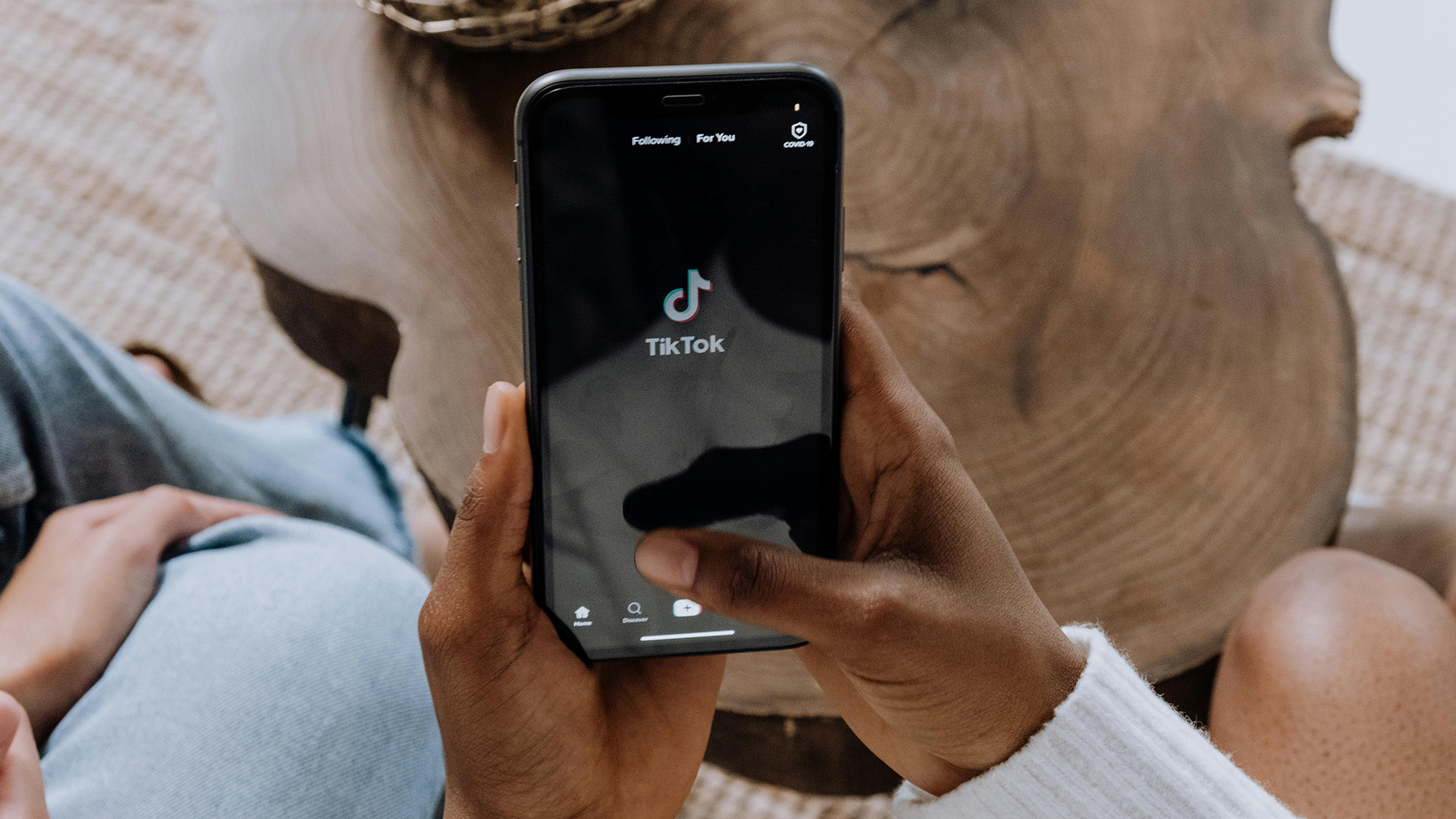
From a numbers game to a trust game, that’s what the creator economy has become. Brands only a few years ago were giving away ridiculously large budgets to anyone with a large following, and even if that audience wasn’t real. Marketing departments today are extremely sophisticated and use state-of-the-art auditing tools to track accurate conversion metrics instead of vanity metrics. Getting a brand to partner with you as a new content creator can seem like a tall order. The key to getting into the industry, though, is not waiting until a critical size of audience is reached, but creating a professional “must” reputation from the ground up.
Move away from volume and get more authentic
If you have a small account, how do you best get companies to sponsor you? It’s easy: build an audience of authentic TikTok users who watch, share, and comment on your content. Brands know it is very easy to purchase inflated bot numbers, but they don’t drive paying customer conversions. You are already concerned about building a community of real TikTok followers, which implies that while trying to attract brands, you can prove that you have real influence. You should focus on the creation of your content pillar to make sure it is as specific to your niche as possible because in this way, you will guarantee that everyone following you is interested in your niche.
Developing a consistent brand identity means applying a professional touch to all outward-facing materials, not just the content itself. This includes how creators organize and present information to potential brand partners. Using polished materials like presentation folders for proposals or summaries of past campaigns can reinforce a commitment to quality and attention to detail. Even without massive metrics, these thoughtful presentations can make a significant impression on marketing teams, showing that a creator takes their work seriously and understands professional communication standards. Such diligence in presentation can speak volumes about a creator’s reliability and overall approach to their craft.
It takes a lot of structural consistency to build this audience base. You cannot do the same for every viral audio trend, but you should create planned series that people can count on coming out every week. You should consider your profile as more of a personal vlog and less of a casual setup. Your page should convey a clear message as soon as corporate marketing teams look at it – who is your audience, what do you do for them, and what is your visual tone going to be? This transparency creates quick trust, which makes a small but very active community infinitely greater than a huge, unengaged one.
Crafting a Professional Media Kit Without Big Metrics
How can a new creator build a professional media kit when they do not have massive metrics to boast about? The key is to alter the data you select to display. Avoid the temptation of emphasizing low follower numbers right at the top of your media kit; instead, highlight production quality, engagement ratios, and audience demographics. You can create a professional-looking, professional presentation deck that basically looks like a brand in its entirety with a user-friendly design platform such as Canva.
The media kit must be a ‘live’ solutions pitch, not an archive of history. For your value proposition to be presented effectively, you need to organize your media kit around these four key components:
- The Mission Statement: A kicker that is 2 sentences long and tells your audience who you are, what niche you’re in and exactly how your content is helping them.
- Engagement Ratios: Show the average watch time, comment speed and saves. The engagement rate is a much higher percentage on a small account than it is on a large one, and the brand is going to be impressed by a 15% engagement rate on a small account versus a 1% engagement rate on a massive account.
- Audience Demographics: Make use of the data within your native creator analytics to reveal the exact geographical locations, age ranges, and genders of your community.
- Content Concept Examples: High-quality screenshots of your successful videos and some specific concepts of how a corporate partner can be incorporated into your content in the future.
The Art of the Cold Pitch
With your digital portfolio complete, you need to seek out brand opportunities rather than simply waiting for them to drip into your email inbox. To make a successful cold call, study the company carefully and tailor your message to its needs. Avoid sending a standard form letter to a general business address. Instead, use professional networking sites like LinkedIn to find relevant job descriptions featuring titles such as “Influencer Marketing Coordinator,” “Brand Manager,” or “Social Media PR Lead.” This targeted approach can help you maintain structural consistency to build this follower base while presenting yourself as a professional who understands both the brand and its audience.
If you are composing your outreach email, make it very succinct, extremely professional and strictly focused on the advantages the brand could obtain from collaborating with you. Don’t go on about how much you enjoy their products; rather, provide them with a series of images that are exactly what they are looking for and which seamlessly dovetail into their marketing plan.
| Pitch Component | What to Avoid | What to Do Instead |
| Subject Line | “Collaboration inquiry with influencer” | “Content Partnership Proposal: [Your Niche] Concepts for [Brand Name]” |
| Value Proposition | “I love your product and want free items to review.” | “I create high-retention tutorial content that can showcase your product’s new features.” |
| Call to Action | “Let me know if you want to work together sometime!” | “Are you available for a brief five-minute call next Tuesday to discuss these custom concepts?” |
Maximizing the Value of Micro-Collaborations
What should you do if a brand offers a gifted product trade instead of a paid financial budget? For beginner creators, accepting gifted collaborations is a phenomenal way to build a professional portfolio of commercial work. Treat a free product exchange with the exact same level of professional dedication that you would give to a five-figure paid contract. Deliver your content exactly on time, strictly follow any creative guidelines provided, and maintain clear, transparent communication throughout the entire project lifecycle.
After the content goes live, do not simply walk away. Wait roughly five to seven days, collect all the performance data from your post, and send over a polished wrap-up report. Show the brand the total views, click-through rates, and comment sentiment. If you want to dive deeper into the technical frameworks of tracking modern marketing data, resources offer excellent free courses on digital marketing metrics. By delivering a comprehensive data report voluntarily, you immediately separate yourself from amateur creators and position yourself as a long-term professional asset worthy of future paid budgets.
The Long-Term Credibility Framework
Developing a long-lasting career as a digital content creator needs patience, proper positioning, and complete commitment towards being data-driven professionally. The creators that will succeed eventually will be those who consider their content a true business investment right from the time they shoot their first ever video. High-value content production, transparency, and real community growth make you an irreplaceable marketing partner for brands.
The digital power that you have is not about the number of views you receive; rather, it’s all about building trust with each one of your viewers through your videos. Focus entirely on providing massive value to your audience, and soon enough, you will realize that cultivating real TikTok followers naturally unlocks the door to sustainable, highly profitable brand partnerships.




Leave a Reply