September is when the Atlantic decides how prepared anyone was
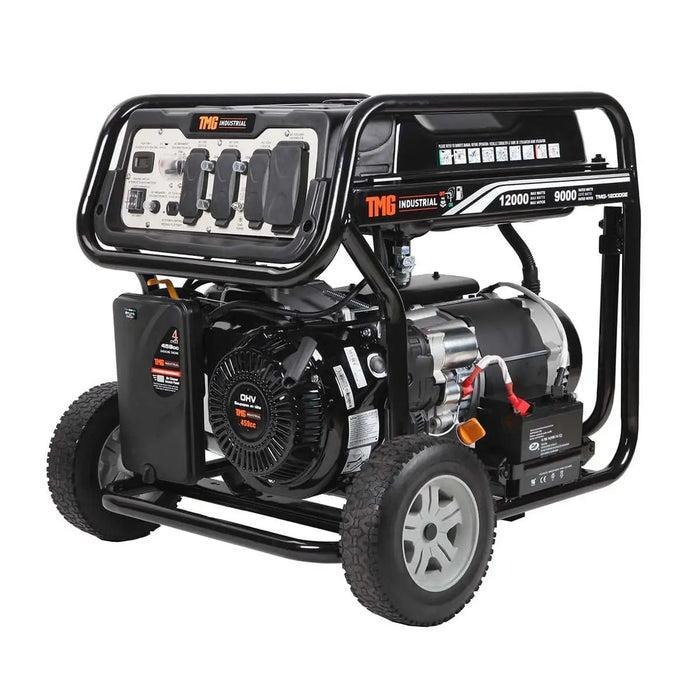
Hurricane season peaks in the second week of September, and inland outages keep the same calendar. Households that spent August comparing nameplates find out in one evening what a machine actually delivers. A portable generator is bought as one number, and that number is split in half by the way the alternator is wound.
The alternator is two windings rather than one large one
A conventional unit makes power in two separate one hundred and twenty volt windings joined at a center point, not in one large winding. A two hundred and forty volt load reaches across both and draws from each equally, while a one hundred and twenty volt load touches only one. The nameplate on a portable generator assumes both are carrying.
Picture a two-lane bridge rated for both lanes. Sending every truck down one lane does not double it; the lane jams at half the posted capacity while the other sits empty. A winding behaves the same way, except that it overheats rather than refusing the load.
Where a portable generator sends power depends on the outlet
Receptacle panels read like a list of convenience options, and most buyers pick by what plugs in. Reading them by which windings each outlet touches explains why some combinations deliver full output and others trip a breaker well under the rated figure.
- Twenty amp household outlets: one winding, roughly half capacity
- Thirty amp twist-lock: still one winding in most layouts
- Fifty amp range outlet: both windings, full nameplate
Running the whole house through household receptacles is the common mistake. It caps a 12000 watt generator near six thousand usable watts whatever the badge says, and the shortfall arrives as a tripped breaker rather than a warning.
What a portable generator for home backup has to hold
Two numbers appear on every label and only the smaller is continuous. The surge figure exists for the fraction of a second a motor needs to break away from standstill, while the running figure is what the engine and alternator sustain hour after hour without overheating.
Fuel use tracks the continuous figure, not the peak. Hours-per-tank ratings assume roughly half load, so a machine worked near its limit empties the tank in closer to half the advertised time, which matters more in a multi-day outage than any surge rating.
Why a small portable generator behaves differently
Below about four thousand watts most units carry a single winding and a single voltage, which removes the balancing problem entirely and removes the ability to run a well pump or a range at the same time. The constraint moves from distribution to raw capacity.
Inverter designs sit alongside that range. They rectify the alternator output and rebuild a clean waveform electronically, freeing the engine to vary speed with demand instead of holding one speed all night, which cuts fuel burn and noise at light load.
What is changing in portable power
Carbon monoxide shutoff sensors have moved from a premium feature to a common one, because placement causes more harm each season than electrical faults. Dual fuel capability is spreading for a similar reason, since propane sidesteps the stale-gasoline failure that ends most standby engines.
Work out the largest single motor load and how the rest divide between the two windings before comparing machines, or before a portable generator rental commits you to one. Those answers govern usable capacity more than the nameplate does, and the equipment guidance from TMG Industrial makes the same point about matching output to the circuits it feeds.




Leave a Reply