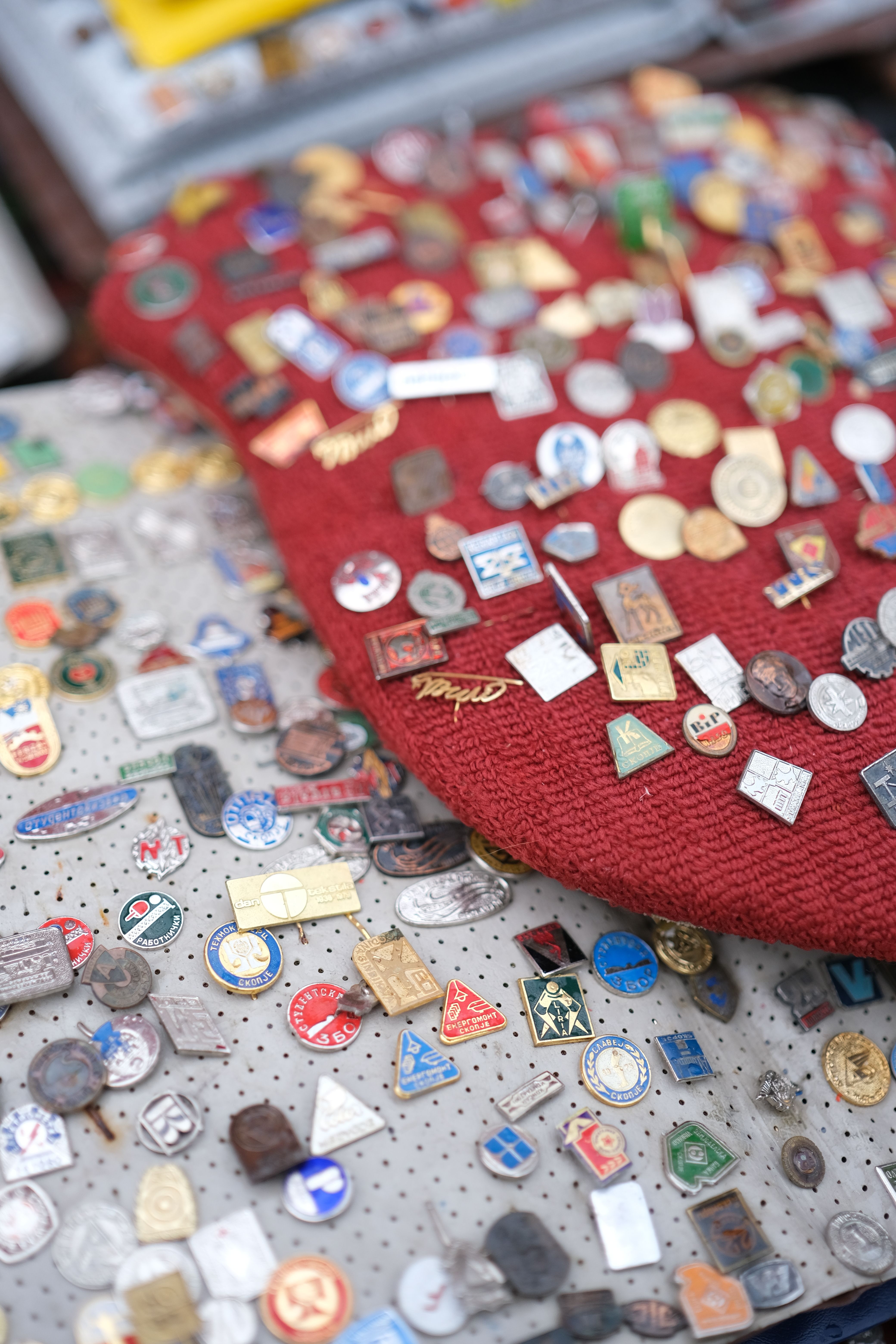
A brand is often recognised before its name is read.
A familiar colour, symbol or design can be enough to make people notice who it belongs to. This is why visual identity matters to businesses, clubs and organisations.
Custom made patches offer another way to make that identity visible.
Instead of keeping a logo on a website or printed material, a business can place it on something people actually wear or carry. A patch can become part of a uniform, jacket, cap, bag or piece of equipment.
Why Physical Branding Still Matters
Much of modern branding happens online.
Businesses use websites, social media and digital advertising to reach people. These channels are important, but they are not the only places where a brand can be seen.
Physical branding creates a different kind of visibility.
A branded jacket worn by a member of staff can be noticed during a normal day. A club patch on a bag can be seen at an event. A team emblem on a jacket can travel with its wearer.
The brand becomes part of everyday surroundings.
Turning a Logo Into Something People Can Wear
A logo is usually designed to work across different formats.
A custom patch takes that design and gives it a physical form.
This can make a simple mark more noticeable. Texture, shape and material can also add character to the original design.
For some brands, this is a useful way to make their identity feel less corporate and more connected to the people who represent it.
Creating a Consistent Visual Identity
Recognition often comes from consistency.
When the same colours, symbols and design elements appear across different places, they become easier to associate with a particular organisation.
Custom patches can be part of that system.
For example, a company may use its main logo on its website and packaging. The same logo can then appear on staff jackets or caps.
The design does not need to change.
That consistency helps create a stronger visual connection between the organisation and the people representing it.
Where Branded Patches Can Make an Impact
There are many places where a patch can become part of a brand’s appearance.
Workwear
Businesses with customer-facing or field-based teams can use patches on clothing.
A logo or company name can help identify staff without covering the whole garment in branding.
Team Clothing
Sports teams and activity groups can use patches to create a shared appearance.
A team emblem can be placed on jackets, bags or other clothing used away from matches and training.
Club Clothing
Clubs often have their own symbols, colours and traditions.
A patch can bring these elements together in a format that members can wear or collect.
Events
Businesses and organisations may also create patches for special events.
A limited design can include the event name, year or an important symbol. It can then become a physical reminder of the occasion.
Outdoor Equipment
Some organisations work in environments where ordinary printed branding may not be suitable.
A patch can be attached to suitable outdoor clothing, bags and equipment, giving the organisation another branding option.
The Design Should Reflect the Brand
A patch should not feel disconnected from the rest of the brand.
The colours should complement the existing identity. Important lettering should remain clear. The shape can also be designed around the logo rather than forcing the logo into a standard format.
Simple designs are often easier to recognise from a distance.
Before production, it is worth considering how the patch will look both close up and from several metres away.
Choosing a Patch Material
The material can change the overall appearance of a branded patch.
| Material | Visual character | Suitable considerations |
|---|---|---|
| Embroidered | Traditional and textured | Logos with a classic look |
| Woven | Smooth and detailed | Smaller lettering and fine designs |
| PVC | Modern and bold | Outdoor and hard-wearing applications |
| Printed | Detailed and image-focused | Complex artwork and colour-rich designs |
| Leather | Distinctive and premium | Fashion, lifestyle and specialist branding |
There is no single material that suits every organisation.
The choice should reflect the design, application and appearance the brand wants to achieve.
Size Can Change the Message
A patch does not have to be large to be noticeable.
A smaller emblem can create a subtle branded look on a cap or sleeve. A larger patch can make a stronger statement on the back of a jacket or a large equipment bag.
The available space should be considered before the artwork is finalised.
A design with small lettering may also need more room to remain readable.
Making Brand Colours Work on a Patch
Colours are an important part of recognition.
If a company already has established brand colours, keeping them consistent can help the patch feel like part of the wider identity.
However, colours can look different depending on the material and production method.
For this reason, artwork should be reviewed before production. This is especially useful when a design contains several colours or fine details.
Patches Can Represent More Than a Business
Brand identity is not limited to companies.
Organisations, clubs and groups often have a strong sense of community behind their visual identity.
A patch can represent that connection.
A club emblem may identify membership. A team design can represent shared goals. An event patch can mark participation in something specific.
In these cases, the patch becomes more than a branding item. It can become something people choose to keep.
The Value of Recognition
Brand recognition does not usually come from one interaction.
People see a brand repeatedly through different channels. Over time, those visual details can become familiar.
Custom patches can contribute to that process by putting the brand into physical spaces.
A logo on a uniform may be seen by customers. A patch on a jacket may be noticed at an event. A branded bag may be seen while travelling.
Each appearance provides another opportunity for recognition.
Customisation Without Changing the Whole Garment
One useful feature of patches is flexibility.
A business does not necessarily need to order completely branded clothing for every new design or team.
A suitable patch can be added to an existing garment where appropriate.
This can also make it easier to create different versions for departments, events or groups while keeping the main brand identity consistent.
What to Consider Before Creating a Branded Patch
A little planning can prevent design problems later.
Consider these points:
- Where will the patch be placed?
- How much space is available?
- Which parts of the logo must remain clear?
- Will the patch be viewed from close range or a distance?
- Which material suits the intended use?
- Does the backing match the garment or equipment?
- Are the brand colours suitable for the chosen material?
- Will the same design be used across several products?
Answering these questions early can make the final design more practical.
Building a Patch That Feels Like Part of the Brand
The strongest branded patches do not look like an afterthought.
They use familiar brand elements in a format that suits the item on which they will be placed.
That could mean keeping a company emblem unchanged. It could also mean adapting the layout slightly so that important details remain visible.
The goal is simple: the patch should feel like a natural part of the organisation’s identity.
A Practical Approach for Businesses
For a business considering custom patches for the first time, starting with one clear design can be useful.
The main logo can be tested on the most important item, such as a work jacket or staff cap.
Once the design works well, the same visual language can be used on other items.
This creates consistency without requiring a completely new design for every product.
Final Thoughts
Building a recognisable brand is about creating familiar visual signals.
A logo, colour scheme and design style can all contribute to that recognition. Custom patches add another physical element to the mix.
They can put a brand on uniforms, clothing and equipment in a way that feels practical and visible.
For businesses and organisations, the value is not simply in having a patch. It is in creating a design that people can recognise, associate with the organisation and remember.
A well-planned patch can therefore become a small but distinctive part of a much larger brand identity.




Leave a Reply