
A rental property may need a mold inspection when visible growth, recurring moisture, musty odors, or unexplained water damage appears inside the building.
Not every stain is mold, and symptoms alone cannot confirm exposure. A professional inspection can examine the affected areas and identify moisture conditions that support growth.
Which Warning Signs Should Property Owners Notice?
When mold is found in multiple apartments, landlords and property managers may need to investigate recurring dampness, suspicious discoloration, and moisture sources that extend beyond a single unit. Early moisture investigation can help identify problems before they spread behind walls, beneath flooring, or through other concealed building areas.
- Visible spots on walls or ceilings
- Persistent musty or earthy odors
- Water stains that continue expanding
- Repeated plumbing or roof leaks
- Peeling paint or bubbling finishes
- Damp carpets, cabinets, or drywall
- Condensation around windows or pipes
- Tenant reports linked to certain rooms
Where Do Mold Problems Commonly Begin?
Mold needs moisture, so inspectors focus on areas affected by leaks, damp materials, humidity, condensation, and limited airflow.
- Bathrooms With Recurring Dampness
Bathrooms remain wet when exhaust fans are weak or surfaces dry slowly. Persistent humidity can support growth around ceilings and grout.
Discoloration that returns after cleaning may point to a moisture source. An inspection can examine ventilation, leaks, and nearby materials.
- Kitchens With Hidden Leaks
Sink cabinets, dishwasher lines, and refrigerator connections can leak without producing an obvious puddle. Concealed moisture may damage cabinets.
Swollen wood, stained flooring, or an earthy smell near appliances deserves attention. The affected area may extend beyond what is visible.
- Basements and Cellars
Below-grade areas may receive moisture through walls, floors, drains, or plumbing systems. Basement dampness can affect stored materials.
Inspectors may review staining, humidity, odors, and water entry patterns. Cardboard, drywall, and wood can hold moisture after a leak.
- Ceilings Below Plumbing
A stain below a bathroom, kitchen, or pipe chase may indicate water travelling through the structure. Overhead leaks can remain hidden.
Repeated patching will not solve an active leak. The water source and affected materials need assessment before finishes are restored.
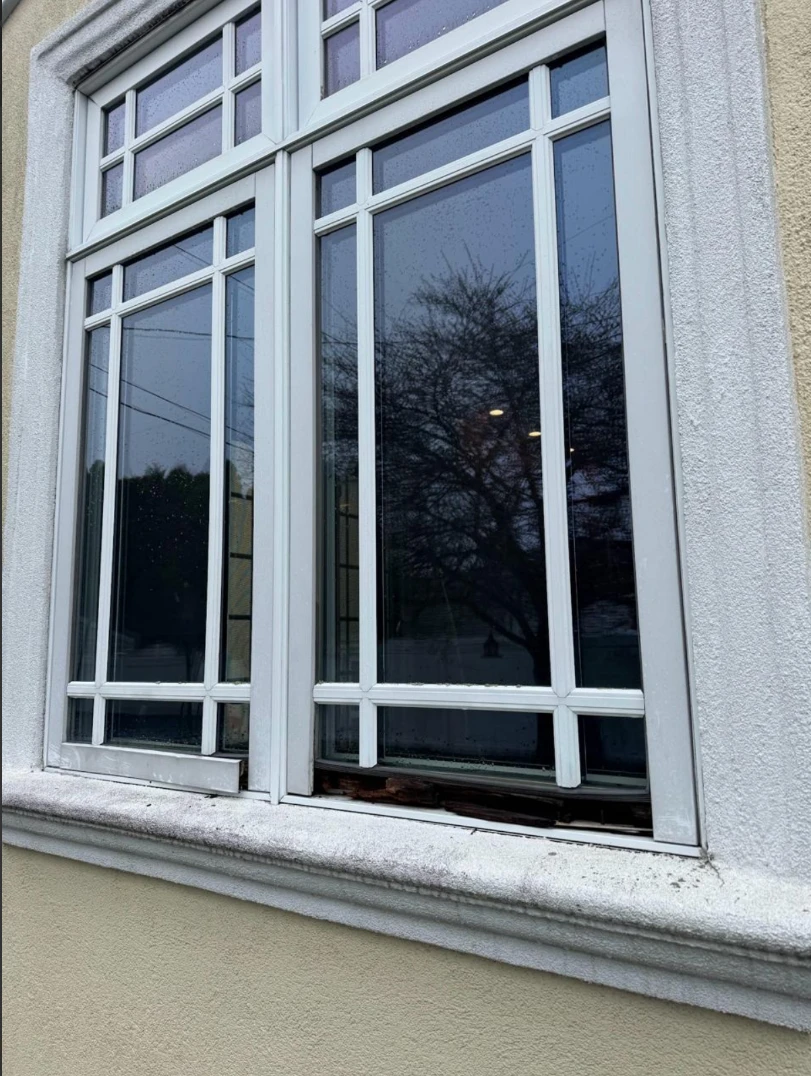
- Window and Exterior Walls
Condensation and exterior water entry often appear around frames or cold wall surfaces. Perimeter moisture may damage paint and drywall.
Look for dark spotting, softened trim, peeling coatings, or damp corners. These signs may worsen during rain or cold weather.
- HVAC and Ventilation Areas
Condensation can form around cooling equipment, ducts, drain lines, and poorly insulated surfaces. Mechanical moisture needs careful tracing.
Odors near vents do not prove system contamination. A professional can examine accessible components and surrounding materials.
- Areas With Unclear Odors
A musty smell may remain even when growth is not visible. A professional mold assessment from experts like gacenvironmental.net can help examine hidden sources.
The inspection may focus on wall cavities, flooring edges, utility spaces, or past leak locations. Sampling is considered when it adds useful information.
How Can Property Managers Evaluate the Urgency?
The response should reflect the amount of visible damage, whether water is active, how quickly materials can be dried, and whether occupied rooms are affected.
| Observed condition | What it may indicate | Appropriate response |
| Active water leak | Ongoing moisture source | Stop the water and assess damage promptly |
| Expanding ceiling stain | Leak above the surface | Inspect plumbing, roof, or exterior entry |
| Musty odor without visible growth | Possible concealed dampness | Arrange a targeted inspection |
| Repeated bathroom spotting | Ventilation or moisture issue | Review airflow and affected materials |
| Wet drywall or carpet | Absorbent materials holding water | Begin drying and evaluate the area |
| Growth returning after cleaning | Source remains unresolved | Investigate the underlying moisture |
| Several tenant reports | Wider or recurring condition | Review units and shared building systems |
- Active Leaks Need Immediate Attention
Water entering from plumbing, roofing, or exterior walls should be stopped quickly. Source control comes before cosmetic repair.
After the leak is repaired, affected materials still need evaluation. Surfaces that stayed wet may require drying, removal, or further inspection.
- Recent Flooding Requires Fast Action
Floodwater can affect flooring, baseboards, drywall, insulation, and stored contents. Rapid drying limits the time moisture remains available.
Property managers should document affected rooms and arrange appropriate cleanup. Hidden dampness may remain beneath finished surfaces.
- Growth Across Several Surfaces
Visible growth in multiple locations may indicate a broader moisture problem. Wider distribution deserves professional assessment.
Separate spots could share one cause, such as a roof leak or humidity issue. They may also result from unrelated building defects.
- Recurring Problems Need Investigation
A stain or odor that returns after cleaning suggests that moisture was not fully addressed. Repeated conditions should not be treated as cosmetic.
Inspection can help trace plumbing, ventilation, condensation, or exterior water entry before another round of repairs is completed.
- Tenant Reports Provide Useful Clues
Tenants may notice odors, leaks, or dampness before maintenance staff see them. Detailed reports can narrow the inspection area.
Symptoms have many possible causes and cannot diagnose mold. Record when and where concerns occur, then evaluate the building conditions.
- Vacant Units Still Need Review
An empty apartment can develop leaks or high humidity without immediate reporting. Vacancy inspections can reveal problems before re-leasing.
Check plumbing fixtures, window areas, ceilings, cabinets, and mechanical spaces. A closed unit may hold odors that were less obvious before.
- Multiple Units May Share a Source
Stacked bathrooms, pipe chases, roofs, façades, and HVAC systems can affect more than one apartment. Shared systems require a wider view.
When similar signs appear across units, inspect common pathways rather than treating each mark as a separate surface problem.
What Should Happen Before the Inspection?
Good preparation helps the inspector understand when the problem began, where it appears, and which repairs have already been attempted.
- Record leak and complaint dates
- Photograph stains and visible growth
- Identify previous water-damage repairs
- Provide access to affected rooms
- Share plumbing and roof work records
- Avoid covering damaged areas with paint
- Keep tenants informed about access
- Note odors, weather patterns, and recurrence
Conclusion
A rental property may need mold inspection when visible growth, musty odors, recurring leaks, damp materials, peeling finishes, or unexplained stains appear. Tenant reports and repeat problems can reveal hidden moisture, but symptoms alone do not confirm mold. Promptly stop active water, document the damage, and arrange a professional assessment when the cause or extent remains unclear.



Leave a Reply