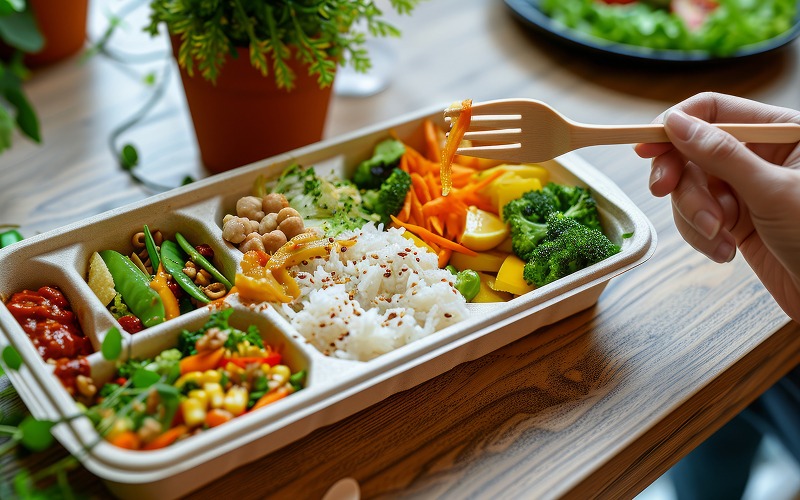
Key Takeaways
- Bento catering makes it easier to provide individually portioned meals for guests with different dietary requirements.
- Early communication with attendees helps organisers estimate the number of specialised meals needed.
- Clear meal labelling reduces confusion and minimises the risk of guests receiving the wrong meal.
- Offering balanced menu choices ensures guests with dietary restrictions receive complete meals.
- Working closely with a catering provider helps accommodate a wide range of dietary preferences and allergies.
Introduction
Organising food for an event requires more than selecting popular dishes. Guests may have dietary restrictions because of allergies, religious practices, medical conditions or personal preferences. Without proper planning, some attendees may have limited meal choices or receive unsuitable food. Bento catering provides a practical solution because each meal is individually packed, making it easier to prepare, identify and distribute different menu options while maintaining consistency across the event.
Identify Dietary Requirements Before Finalising the Menu
The first step is gathering dietary information during event registration or RSVP confirmation. Asking attendees about their dietary requirements well in advance allows organisers to estimate how many specialised meals are needed. Common requests include vegetarian, vegan, halal, gluten-free, dairy-free, nut-free and low-sodium options. Some guests may also have multiple dietary requirements that need to be considered together. Collecting this information early gives sufficient time to discuss menu options with the caterer and reduces last-minute changes that may be difficult to accommodate.
Offer a Variety of Balanced Meal Options
Providing alternatives should not mean offering limited or incomplete meals. Every guest should receive a balanced meal containing suitable sources of protein, carbohydrates and vegetables. Vegetarian meals can include tofu, legumes or plant-based protein, while gluten-free meals can substitute wheat-based ingredients with rice or other suitable alternatives. Dairy-free meals should maintain nutritional balance without relying on milk-based ingredients. Offering carefully planned alternatives helps ensure that guests with dietary requirements enjoy a similar dining experience to everyone else rather than feeling they have received a reduced option.
Prioritise Clear Labelling and Safe Food Handling
Clear labelling is essential whenever multiple meal types are served. Each meal should be marked with its dietary category to reduce confusion during distribution. Labels such as vegetarian, vegan, halal or gluten-free help organisers and guests quickly identify the correct meal. For guests with allergies, accurate ingredient information is equally important. Proper food handling procedures also reduce the risk of cross-contamination during meal preparation, packing and transport. Individual packaging provided through bento catering supports this process by separating meals before they reach the event venue, making distribution more organised and reducing unnecessary handling.
Consider Cultural and Religious Dietary Preferences
Many events include attendees from diverse cultural and religious backgrounds. Menu planning should therefore take these requirements into account alongside medical and lifestyle preferences. Halal meals, vegetarian options and meals that avoid specific ingredients may all be required within the same event. Discussing these expectations with the catering provider allows suitable ingredients and preparation methods to be arranged before the event. Providing inclusive meal choices demonstrates careful planning while ensuring more guests can comfortably participate in the occasion without concerns about the food provided.
Maintain Communication with the Catering Provider
Successful catering depends on clear communication throughout the planning process. Organisers should provide accurate attendee numbers, dietary breakdowns and any special requests well before the event date. If registration numbers change, updates should be communicated promptly so meal quantities remain accurate. Discussing packaging, labelling requirements, delivery schedules and contingency plans also helps prevent operational issues on the event day. Maintaining regular communication allows adjustments to be made where necessary while ensuring specialised meals are prepared correctly.
Conclusion
Meeting different dietary requirements requires careful planning, accurate information and organised food distribution. Bento catering supports these objectives by allowing meals to be individually prepared, labelled and delivered according to specific dietary needs. By collecting dietary information early, offering balanced alternatives, maintaining proper labelling and communicating closely with the catering provider, organisers can create a more inclusive dining experience that meets the needs of a diverse group of guests while supporting efficient event operations.
Contact Orange Clove to help every attendee enjoy a suitable meal.



Leave a Reply