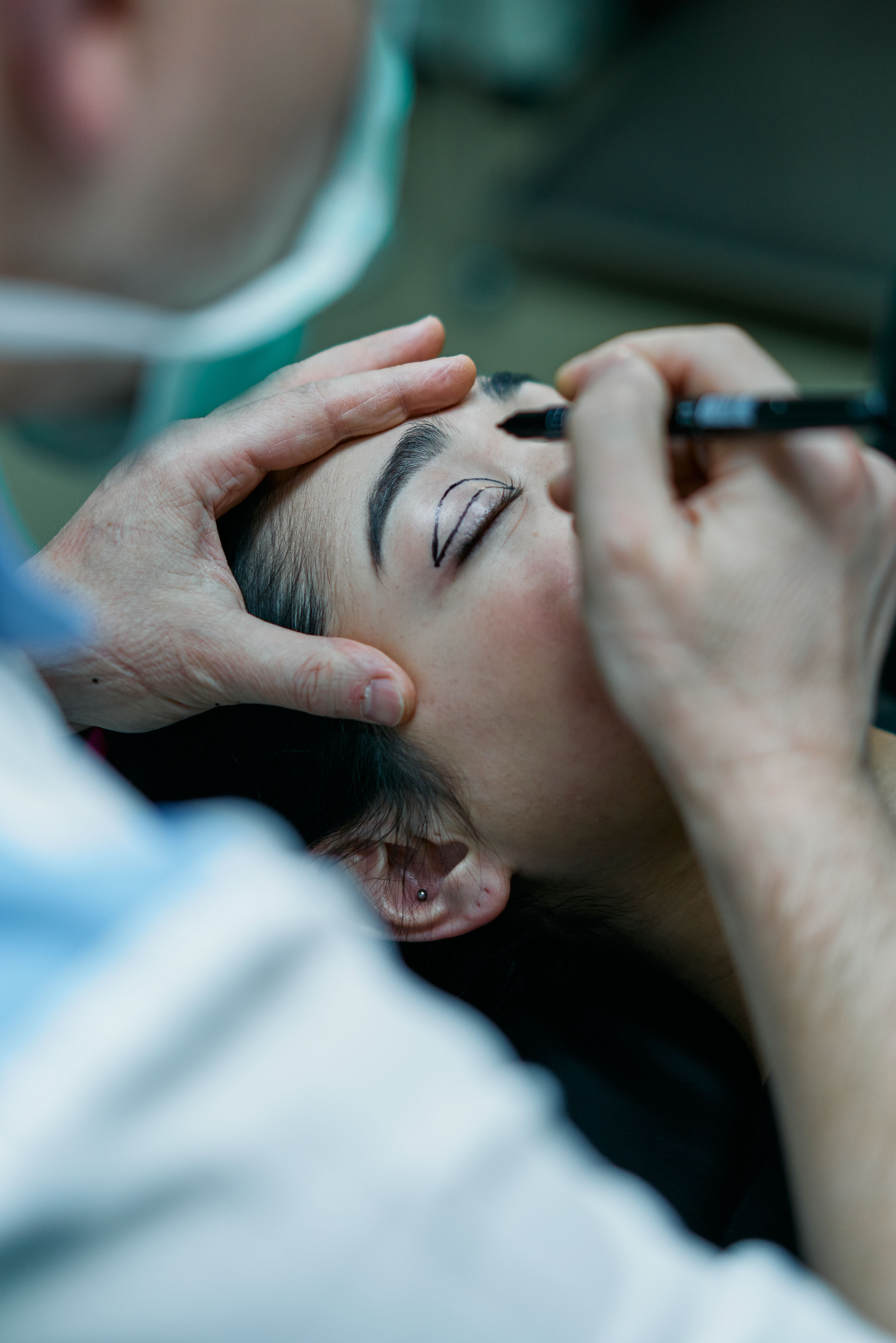
Deciding to pursue aesthetic enhancements is a deeply personal choice that requires clear information, realistic expectations, and careful preparation. Modern aesthetic medicine offers an extensive range of surgical and non-surgical procedures designed to enhance natural features, correct asymmetries, and reverse visible signs of aging. Navigating this landscape requires understanding what occurs before, during, and after a chosen procedure to ensure a safe, comfortable, and satisfying transformation.
Preparing for Your Aesthetic Journey
Proper preparation lays the groundwork for a smooth procedure and an optimal recovery. Taking structured steps early in the process ensures you approach your transformation with clarity and confidence.
Researching Qualified Medical Professionals
Selecting the right provider is the single most important step in your aesthetic journey. Prioritize board-certified surgeons who possess specialized training, extensive experience, and a proven track record of safety in your specific procedure of interest. Reviewing credentials, examining before-and-after portfolios, and reading authentic patient reviews will give you insight into a provider’s artistic style and safety standards.
The Initial Consultation Process
Your first consultation serves as an open dialogue to discuss your goals, medical history, and expectations. Be prepared to share full details about pre-existing health conditions, current medications, allergies, and previous surgical history. A skilled surgeon will evaluate your physical structure, explain suitable treatment options, and discuss potential risks and benefits. Use this meeting to ask comprehensive questions regarding surgical techniques, facility accreditation, and recovery timelines.
Pre-Procedure Health Optimization
Preparing your body physically minimizes surgical risks and promotes swift healing. Providers typically recommend adopting healthy habits weeks before a scheduled procedure, including:
- Discontinuing Nicotine Products: Smoking and vaping restrict blood vessels, impairing oxygen delivery to healing tissues and increasing complication risks.
- Adjusting Medications: Patients must avoid blood-thinning medications, anti-inflammatory drugs, and certain herbal supplements that increase bleeding risks.
- Optimizing Nutrition: Consuming a balanced diet rich in lean proteins, vitamins, and minerals helps prepare your immune system and tissues for optimal recovery.
- Setting Up Home Recovery: Preparing a comfortable recovery space with extra pillows, prescription medications, easy-to-prepare meals, and loose clothing ensures stress-free healing during early post-operative days.
Exploring Surgical and Non-Surgical Options
Aesthetic enhancements range from non-invasive skin treatments to comprehensive surgical procedures. Determining the appropriate approach depends on your specific aesthetic goals, timeline, and preferred downtime.
Enhancing Facial and Upper Body Features
Facial procedures aim to restore youthful contours, smooth deep lines, or refine structural proportions. Non-surgical options like dermal fillers and relaxants provide immediate, temporary improvements with minimal downtime. For long-lasting structural enhancement, surgical options provide comprehensive changes. For instance, seeking information on breast augmentation in Peoria, AZ allows patients to explore custom volume restoration options using modern silicone or saline implants tailored to their unique anatomical proportions.
Midsection and Lower Body Contouring
Body sculpting procedures target areas where exercise and diet reach their natural limits. Procedures like tummy tucks, thigh lifts, and arm lifts remove redundant skin and tighten underlying tissues, creating sleek contours. These options are ideal for individuals who have achieved a stable weight but want to address loose, hanging skin.
What to Expect During the Recovery Phase
Understanding the recovery timeline helps patients manage daily schedules and maintain realistic expectations while tissues heal and settle into final positions.
The Immediate Post-Operative Period
The first few days following surgery focus on rest, pain management, and wound care. Swelling, bruising, and mild discomfort are normal body responses to tissue alteration. Following your surgeon’s specific post-care instructions regarding compression garments, drain management, and prescribed medications guarantees proper healing and reduces the risk of infection.
Long-Term Healing and Result Settlement
Healing is a gradual process that continues over several months. While initial results become visible once primary swelling subsides after a few weeks, subtle tissue settling and scar maturation continue for up to a year. Attending all scheduled post-operative follow-up appointments allows your surgical team to monitor your progress and provide ongoing guidance for long-term outcome preservation.



Leave a Reply