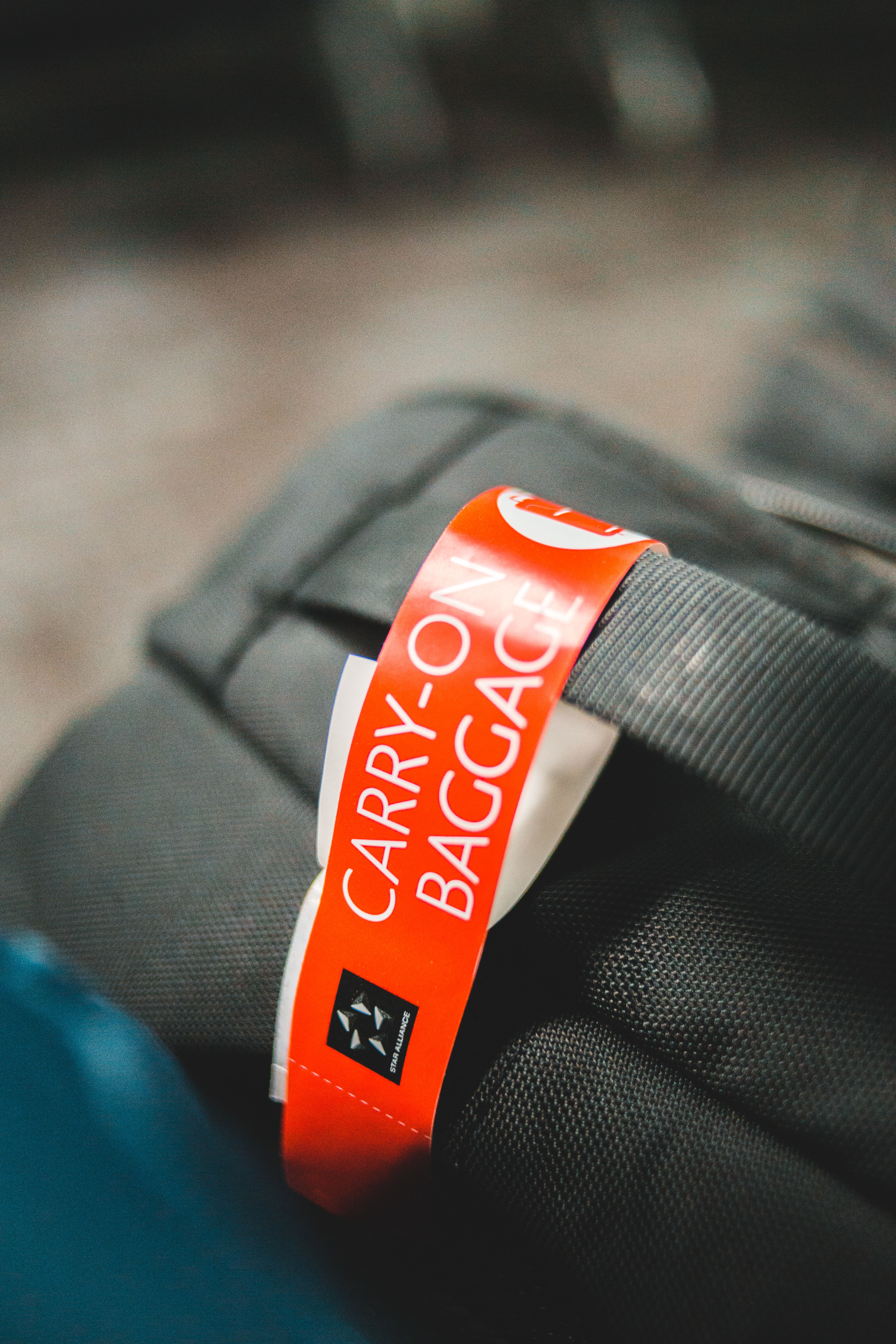
Air travel gets marketed as a smooth sequence of taps, scans, and boarding groups. In reality, it is a chain of weak points. A delayed inbound aircraft becomes a missed connection. A gate checked roller bag takes a detour. A checked suitcase shows up tomorrow instead of tonight. Most travelers think of a carry on as a convenience item. It is more useful to think of it as insurance you can zip shut.
That shift in mindset matters because the bag above your seat is the only luggage system you truly control from departure to arrival. Even if you usually travel light, or you book full itineraries like Galapagos Islands travel packages, your carry on should function as a continuity kit. It is not just about comfort on the plane. It is about protecting the next twenty four hours of your trip from turning into a scramble.
The smartest travelers are not necessarily the ones with the smallest bags or the best packing cubes. They are the ones who assume that something will go slightly wrong and pack accordingly. That attitude sounds pessimistic, but it actually creates a calmer trip. When the essentials stay with you, disruptions become inconveniences instead of mini disasters.
Think of your carry on as your first day plan
The easiest way to build a useful carry on is to ask one question: if my checked bag disappears for one day, what would I need to stay functional, clean, charged, and presentable? Start there, not with entertainment or snacks.
That first day plan usually includes medication, chargers, a power bank, travel documents, wallet, keys, glasses or contacts, one change of clothes, underwear, and basic toiletries that meet security requirements. If you are traveling for an event, add the one item you cannot easily replace at your destination, whether that is dress shoes, a swimsuit that actually fits, or a child’s comfort item.
This is where many travelers overpack the wrong things and underpack the important ones. Three extra outfits do less for you than one phone charger and a fresh shirt. If your luggage is delayed, nobody cares that you packed four accessory options. You will care very much if your toothbrush, prescription medicine, and phone battery are out of reach.
The most valuable items are the least dramatic ones
Lost baggage stories usually focus on the obvious problems. People picture formalwear missing before a wedding or hiking boots stranded before a trek. More often, the true stress comes from tiny routine items. A deodorant stick. Contact solution. A charging cable that fits your actual device. A clean pair of socks after a long travel day.
These ordinary things keep your trip feeling intact. They also reduce bad decision making. Travelers without essentials often end up buying overpriced replacements in airports, settling for the wrong adapter, or wasting precious arrival time hunting down basic supplies instead of resting or exploring.
Your carry on works best when it supports normal human functioning. Can you sleep, shower, get dressed, take your medication, and communicate if your main bag vanishes tonight? If the answer is yes, you have packed well.
Pack for delay, not just destination
Many people pack for where they are going and forget to pack for the travel itself. Those are two different environments. Airports are cold, planes are dry, and connection windows are fragile. Your carry on should help you survive the transit day, not just the vacation photos afterward.
That means including a layer for warmth, refillable hydration options if practical, and the items you would need if you were unexpectedly stuck overnight. The federal rules around spare lithium batteries and power banks also make this more than a convenience issue. The FAA says spare lithium batteries and power banks must be kept in carry on baggage, not checked luggage, and should be protected from damage or short circuits. A quick review of the FAA’s guidance on airline passengers and batteries can help you avoid packing mistakes.
This matters even more when a carry on gets gate checked at the last minute. If that happens, remove medications, batteries, documents, and anything irreplaceable before handing the bag over. Do not assume a short flight means low risk. The shortest hop can still lead to the longest baggage delay.
Your backup plan should save money too
There is a practical financial angle here that travelers sometimes ignore. Yes, airlines may owe compensation for lost, delayed, or damaged baggage in certain situations, but reimbursement is rarely instant, and it does not erase the hassle. The U.S. Department of Transportation explains passenger protections and airline obligations for lost, delayed, or damaged baggage, which is useful to know before you need it.
Still, compensation is not the same as continuity. Money later does not help if you land without medication, your hotel check in is in an hour, and your dinner reservation is tonight. A well packed carry on reduces both the emotional cost and the surprise expenses that pile up when plans wobble.
It also helps you avoid replacing things you already own simply because they were packed in the wrong place. Buying a clean shirt in an airport shop is not a travel hack. It is usually a preventable tax on poor packing priorities.
Less panic, more freedom
A solid carry on changes how you move through travel. It gives you more flexibility to accept a reroute, handle a long layover, or spend a night without your checked bag. It lowers the stakes of minor disruptions, and that changes your mood more than people realize.
Instead of watching the baggage carousel with rising dread, you know you can get through the night just fine. Instead of treating every gate announcement like a threat, you have a margin of safety. That is the real purpose of a backup plan. It creates room to adapt.
So pack your carry on like it is the bag that has to save the trip, because sometimes it is. Your suitcase may carry the bulk of your wardrobe, but your carry on carries your momentum. When travel goes sideways, that is the bag that keeps the whole experience from falling apart.



Leave a Reply