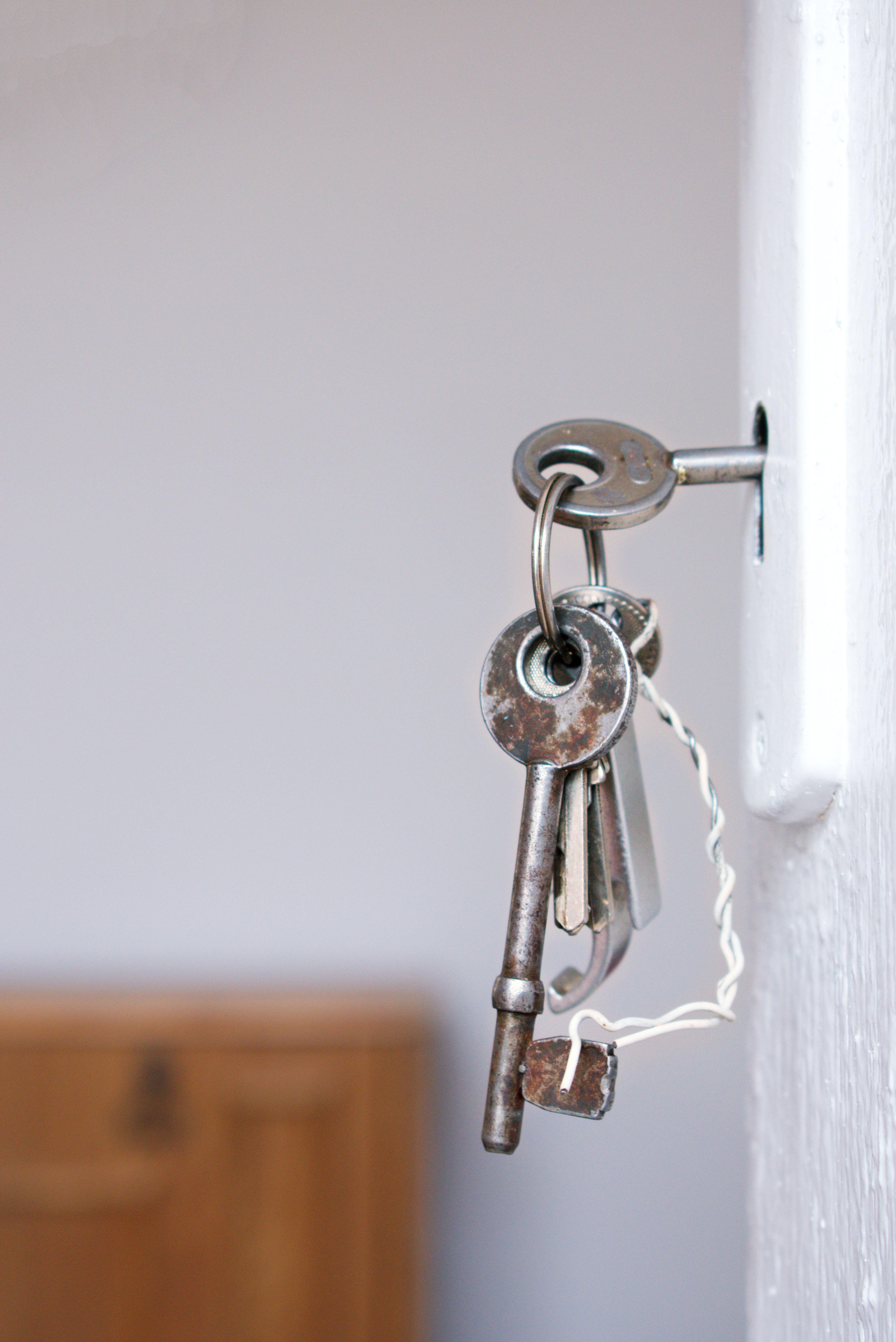
A lock problem can make people rush. You may be locked out, dealing with a key that snapped, or trying to secure a door that suddenly will not latch. At that moment, the first instinct is usually to call for help and wait. That is the right move, but there are also a few simple things you can check while waiting for a locksmith to arrive.
These steps are not meant to replace professional work. They are meant to help you stay safe, explain the issue clearly, and avoid making the damage worse.
Check Your Safety First
Before looking closely at the lock, check your surroundings. If you are locked out of a car near traffic, move away from the road. If you are outside a home late at night, stand in a well-lit area or near trusted neighbors. If the issue is at a business, make sure employees and customers are not standing near an unsafe door or entrance.
Your safety matters more than the lock itself. Once you are in a safe place, you can focus on the details of the problem.
Look at the Door and Lock Without Forcing It
A quick visual check can help. Look at whether the door is fully closed, whether the deadbolt is partly extended, whether the handle feels loose, or whether the key is stuck or broken. If the key is inside the lock, do not keep twisting it. That can push the broken piece deeper or damage the cylinder.
If you already called a Locksmith Grand Junction service, use the waiting time to observe instead of forcing the door. These details can help the locksmith understand what may be happening before they begin.
Check for Another Safe Entry Point
If the lockout is at home or at work, check whether another authorized entry point is available. Maybe another door is unlocked, a roommate has a key, or a manager can open a separate entrance. This does not mean climbing through windows or using unsafe access points. It simply means checking normal, safe options before service begins.
For vehicle lockouts, do not try to pry open the door. Even small gaps can damage the weather stripping, door frame, or locking parts.
Prepare Proof of Access
A responsible locksmith may need to confirm that you are authorized to enter the property or vehicle. This is normal. If possible, have an ID, lease, registration, business document, or other proof ready. If your identification is locked inside, explain that clearly when help arrives.
This step protects both the customer and the property. It also keeps the service process more organized.
Write Down What Happened
Lock problems are easier to explain when you remember the sequence. Did the key turn halfway and stop? Did the door close normally but refuse to open afterward? Did the lock feel stiff for several days before this happened? Did someone recently move out, lose keys, or change staff?
These details can help identify whether the issue is a simple lockout, a worn key, a misaligned door, a damaged cylinder, or a security concern.
Do Not Use Oil, Tools, or Online Tricks
It may be tempting to spray oil into the lock, use a hanger, or follow a quick online method. These can make the problem worse. Some products attract dust inside the lock. Some tools can scratch doors or break inside the cylinder. Some tricks may work on one lock but damage another.
While waiting, avoid adding anything to the lock unless the locksmith specifically tells you to.
Think About the Next Step After Access
Once the door is open, the problem may not be fully solved. Ask whether the lock should be repaired, rekeyed, adjusted, or replaced. If the issue happened because keys were lost, rekeying may be worth discussing. If the lock is worn or unreliable, repair or replacement may be safer.
A good locksmith visit should leave you with more than access. It should help you understand how to prevent the same issue again.
Frequently Asked Questions
Should I try to unlock the door myself before the locksmith arrives?
It is better not to force the lock or door. DIY attempts can cause damage and may make the repair more expensive.
What information should I prepare?
Prepare your location, the type of property or vehicle, what happened before the lock failed, and proof that you are authorized to access it.
Can a locksmith still help if the key broke inside the lock?
Yes. A locksmith can assess the broken key and lock condition and recommend the safest way to remove it or repair the issue.
Final Thoughts
A locksmith visit is smoother when you stay safe, avoid forcing the lock, and prepare the right details. Checking the situation calmly can save time and help the locksmith choose the right solution. Whether the issue is at home, in a vehicle, or at a business, a little preparation can make the emergency easier to manage.
.


Leave a Reply