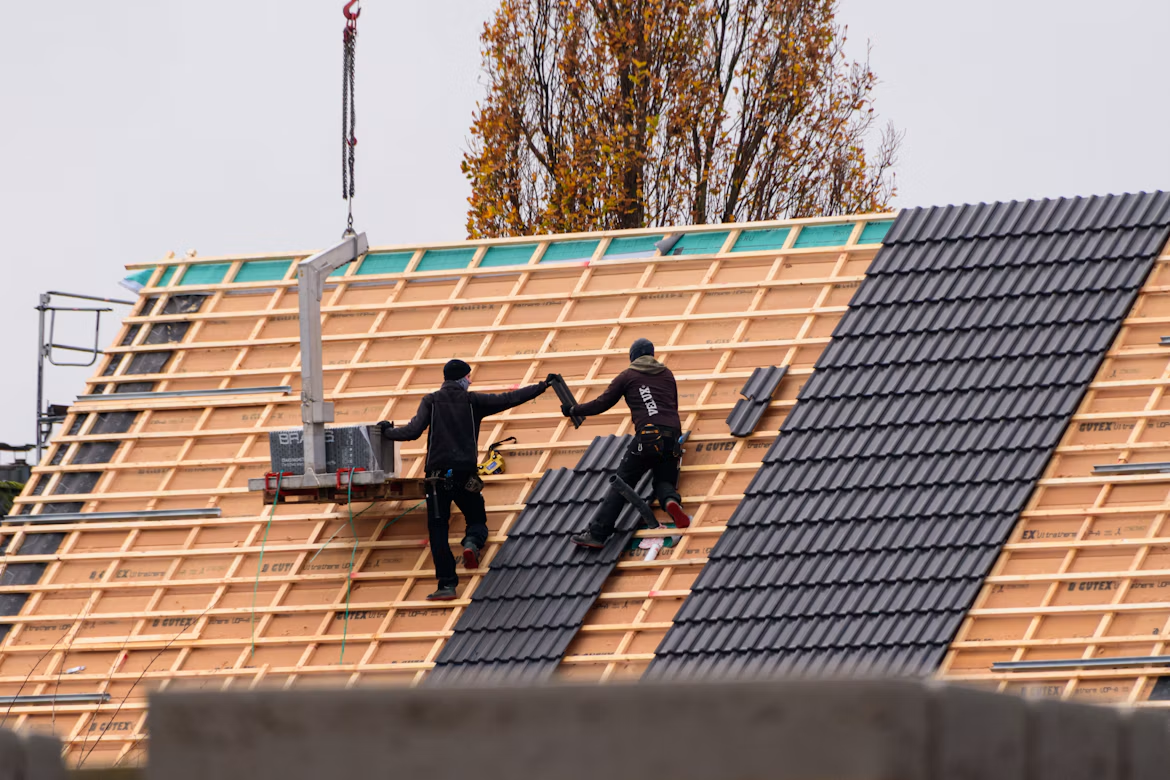
Severe temperature swings and seasonal precipitation accelerate exterior wear, making prompt roof assessments crucial for preserving residential structures.
Unpredictable weather shifts and violent seasonal squalls constantly test your home’s exterior defenses. Aging rooflines absorb severe stress every month, forcing many homeowners to move away from quick emergency patches and focus instead on comprehensive building envelope assessments.
Proactive maintenance protects your budget while guarding your living spaces against sudden storm damage. Taking control of your roof’s condition early helps you avoid costly structural repairs down the road.

What Happens When Seasonal Shifts Strain Older Roofs?
Weather shifts throughout the year create ongoing mechanical stress across your roof deck. Housing data published by Harvard Business School highlights that typical residential properties across the nation average 40 years of age, making older structures far less resilient against severe weather phenomena. Building materials naturally expand and contract as summer heat turns into freezing winter conditions.
Constant temperature fluctuations cause micro-movements along roof seams and fastener points. Older residential roofs lose flexibility over time, opening small gaps where wind and rain gradually infiltrate your structural framework.
How Do UV Exposure and Wind Break Down Shingles?
Solar radiation constantly bakes asphalt shingles, deteriorating the petroleum binders that hold granules in place. Strong winds lift shingle edges during severe weather, creating leverage that cracks fragile materials.
Severe weather weakens valley flashings where two roof slopes meet. Rainwater quickly strips loose surface granules from damaged shingles, washing them away during heavy storms. Reports from the Nebraska Department of Insurance note that high concentrations of shingle granules collecting inside your gutters signal significant exterior breakdown and loss of protective layers.
Metal flashings warp over time as thermal shock repeatedly pulls fasteners away from underlying boards. Small splits in flashing seams let wind-driven rain seep underneath your protective barrier, accelerating material decay.
How Does Hidden Attic Moisture Rot Structural Sub-Decking?
Water intrusion rarely reveals itself immediately inside your main living area. Water often trickles past asphalt shingles and underlayment materials, soaking quietly into plywood sub-decking and rafters.
Humid conditions inside unvented attic cavities accelerate wood decay. Softened plywood sub-flooring loses structural strength, while damp fiberglass insulation loses its capacity to regulate internal temperatures.
Unchecked water entry creates ideal conditions for mold growth behind interior drywall. Homeowners frequently discover structural issues long after liquid penetration has compromised structural framing elements.
How Do You Choose a Reliable Roofing Contractor?
Evaluating licensed regional roofing teams requires looking beyond basic repair quotes. Qualified specialists evaluate your entire roof assembly, from surface shingles down to attic ventilation and deck integrity.
Finding an experienced roofing crew requires reviewing local credentials and previous client success. Visiting resources like https://summitroofingandrestoration.com/ gives property owners direct access to certified evaluation options when scheduling initial inspections. Skilled technicians spot minor defects before structural integrity suffers lasting damage.
Professional contractors help property owners navigate insurance claims processes following major weather events. Documentation from certified inspectors streamlines approval procedures with insurance adjusters.
What Features Define Factory-Certified Roofing Teams?
Factory certification indicates that a contractor meets strict installation standards set by major roofing manufacturers. Certified installers deliver strong workmanship guarantees alongside comprehensive material warranties that uncertified crews cannot offer.
Selecting a factory-certified team gives you clear advantages during major roof restoration projects:
- Extended warranty coverage: Certified contractors back their installations with comprehensive manufacturer warranties that protect your investment for decades.
- Streamlined claim support: Experienced crews document storm damage thoroughly, helping you process insurance claims without unexpected delays.
- Complete structural evaluations: Qualified specialists inspect entire building envelopes, including flashings, decking, and attic ventilation systems.
- High-grade material options: Certified teams install modern multi-layer roofing systems designed to withstand thermal shock and high winds.
Why Are Routine Diagnostics Better Than Emergency Repairs?
Emergency patches solve immediate leaks but fail to fix underlying moisture traps within your roof deck. Routine diagnostic inspections identify minor granule loss, split flashings, and sub-deck weakness before storm season arrives.
Scheduled maintenance extends total roof lifespan and protects internal structural components. Addressing minor wear early keeps repair costs manageable and protects your home’s value over time.
How Can Seasonal Roof Maintenance Prevent Costly Damage?
Preparing your roof for changing weather conditions requires consistent attention throughout the year. Spring inspections help identify damage caused by winter storms, while autumn maintenance prepares roofing materials for freezing temperatures and heavy precipitation. Following a seasonal maintenance schedule reduces the likelihood of unexpected failures during extreme weather events.
Keeping gutters clear, removing accumulated debris, and checking exposed flashing prevents moisture from collecting around vulnerable roof sections. Homeowners should also monitor attic ventilation and insulation conditions to detect early signs of condensation or hidden leaks. These simple preventive measures help maintain structural stability and protect interior living spaces.
Professional inspections complement routine homeowner maintenance by identifying deterioration that may not be visible from ground level. Scheduling assessments after major storms allows roofing specialists to evaluate potential wind damage, loose materials, and compromised seals before additional weather exposure worsens existing problems.

Aging residential roofs face constant pressure from changing temperatures, heavy rainfall, and severe seasonal storms. Recognizing early warning signs and investing in professional maintenance helps prevent minor defects from developing into expensive structural problems.
Taking a proactive approach to roof care gives you greater control over maintenance expenses and unexpected repairs. By working with qualified roofing professionals and addressing deterioration promptly, you can strengthen your home’s defenses and maintain a safer, more resilient living environment for years to come.


Leave a Reply