
Esthetic work done badly is the most expensive mistake you can make in a dental chair. That is not an exaggeration. Do-overs cost more than the original treatment and eat months you do not get back. The trick is figuring out which clinics can deliver natural results before you put down a deposit.
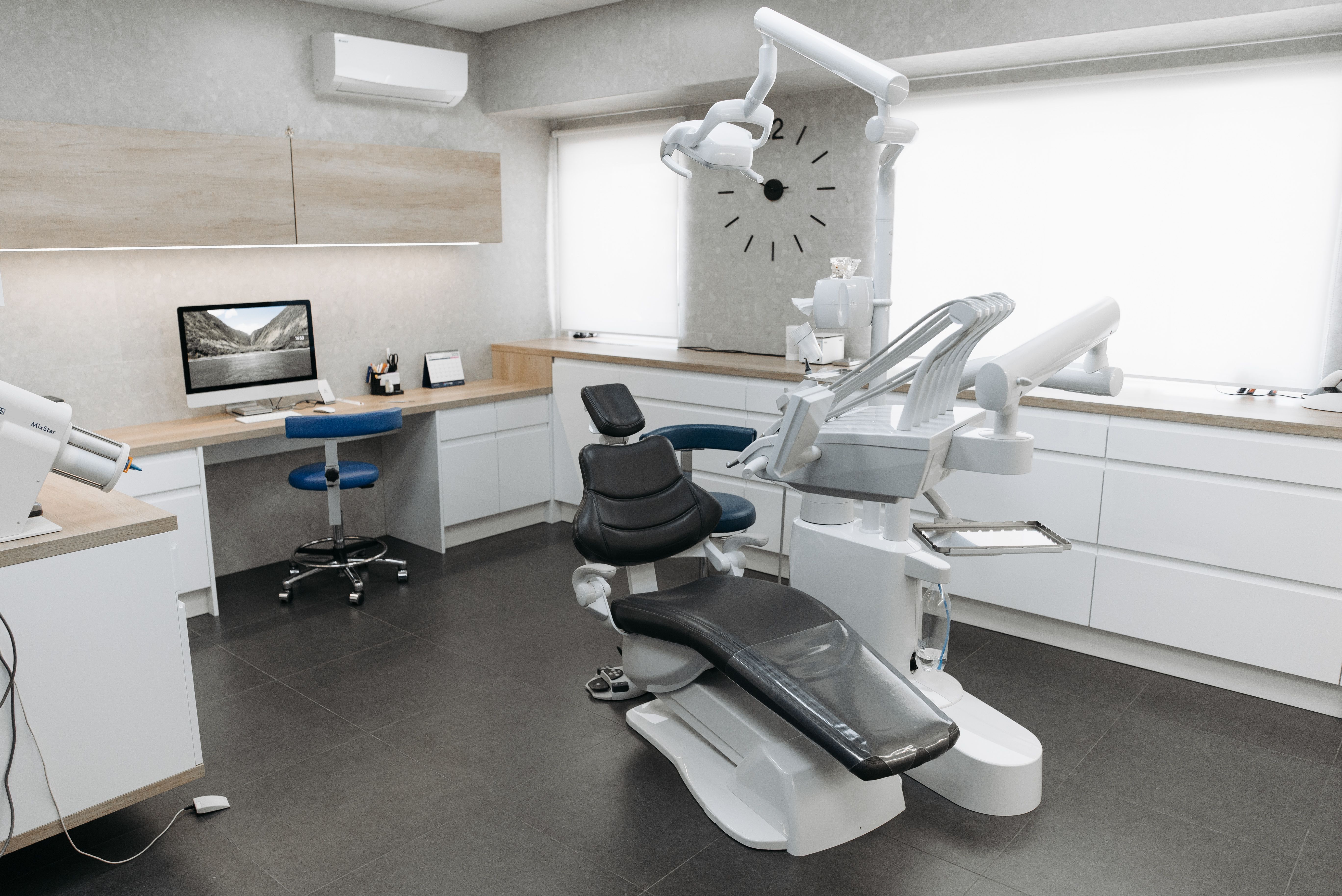
Here is my honest opinion after years of watching the field evolve: the tools a practice owns say more about its outcomes than the before-and-after photos on its lobby wall. A practice that has gone fully digital has already thought harder about predictability, and that shows up in smile makeovers with a cosmetic dentist white rock, where upfront planning replaces guesswork. Patients who learn to read the equipment end up with fewer surprises and better long-term results.
The goal here is to hand you a checklist you can carry into any consultation, in any city. Read it closely, because a surprising number of practices still run on impression trays and hope.
What digital planning actually buys you as a patient
Intraoral scanners have largely replaced the goopy impression trays at forward-thinking practices. The practical benefit for you is not marketing glamour. It is accuracy.
The American Dental Association maintains standards across the field, and that consistency matters when your file leaves one chair and lands in another for a restoration. A digital file does not distort. A goopy impression can. That difference shows up in how a crown seats or a veneer fits on the second try.
The bigger shift is the mock-up. 3D smile previews let a clinic model your result before a single tooth is touched. You sit at a screen and see what the finished work looks like in motion, then approve or adjust.
My recommendation: ask to see an actual preview at your consultation, not a stock photo. Any clinic that cannot generate one for your specific case is working reactively, and reactive work tends to be the kind you regret in a year.
The comparison table worth printing out
Run through this before you book. It separates meaningful capability from cosmetic fluff.
| Technology | What it does for you | Worth asking about? |
|---|---|---|
| Intraoral scanner | Digital impression, no trays | Yes, baseline expectation |
| 3D smile preview | Shows your result in advance | Yes, strongly |
| CBCT imaging | Accurate 3D diagnostics | Yes, for complex cases |
| In-house 3D printing | Faster, more precise restorations | Yes, for crowns and mock-ups |
| Chairside milling | Same-day crowns | Depends on your case |
The table is deliberately short. Anyone selling you on laser lights or gadgets outside this list without a clear clinical reason is probably selling a smile with extra steps.
Do you really need same-day crowns, or is that a nice-to-have?
This is the decision most patients get wrong, so let me be blunt. Same-day crowns are excellent if you have a cracked tooth that needs immediate protection. If you are planning a full veneer set over several weeks, the timing benefit is irrelevant to your outcome.
What actually matters for esthetic work is the planning phase, and that phase takes time regardless of how fast the chairside mill runs. Faster restorations improve the experience. They do not, on their own, improve the result.
The Centers for Disease Control and Prevention has long tracked the broader picture of oral health across the population, which is why I keep steering readers back toward prevention and maintenance rather than speed. A great crown is still a crown. The decision that shapes your outcome long term is whether you can keep the underlying teeth healthy.
If a clinic tries to upsell you on chairside milling for a veneer case, ask a direct question: how does this change my final result compared to a lab-made restoration? A good clinician will answer that in one sentence, and a salesperson will not.
A working framework: the four-question test
I use this on every practice I evaluate, and I call it the four-question test. It is deliberately simple so you can remember it in the waiting room.
- Can I see a 3D preview of my result before treatment?
- Is my whole file digital, start to finish?
- Who designs the restoration, and how many eyes touch it?
- What happens if the result does not match the preview?
The fourth question is the one that separates confident practices from cautious ones. Any clinic with a real workflow has a clear answer about revision policy, and any clinic that dodges it has not thought through its own process.
I would pick a practice that answers all four cleanly over one with luxury branding and a vague answer to question four. Every time.
What a real consultation looks like, minute by minute
Picture a scenario I hear repeatedly from readers. You walk in, get a scan in under ten minutes, review a 3D mock-up on a screen, and leave with a printed treatment plan showing phases, timelines, and cost breakdowns.
That is the gold standard, and it is not universal. Some clinics scan you and send you home without the plan, promising a callback. That is a warning sign, not a courtesy.
You should also ask how the practice measures precision. The National Institute of Standards and Technology sets the national playbook for measurement accuracy across industries, and dental scanning and milling inherit much of that rigor. A clinic that talks openly about tolerances and fit, rather than only about color, is a clinic that understands what it is doing.
Pay attention to the mock-up stage. If you dislike the shape of the proposed smile, say so. This is the cheapest moment in the entire process to change your mind.
The bottom line
You do not have to become a dental nerd to pick a good cosmetic practice. You do have to know which questions separate a modern, precision-driven clinic from one coasting on old habits. The four-question test, the table above, and an insistence on seeing your own 3D preview will carry you farther than any review site.
So before your next consultation, print that checklist. Then ask yourself one thing as you sit in the chair: does this practice show me my result first, or does it ask me to trust the process? The answer tells you almost everything you need to know.

Leave a Reply