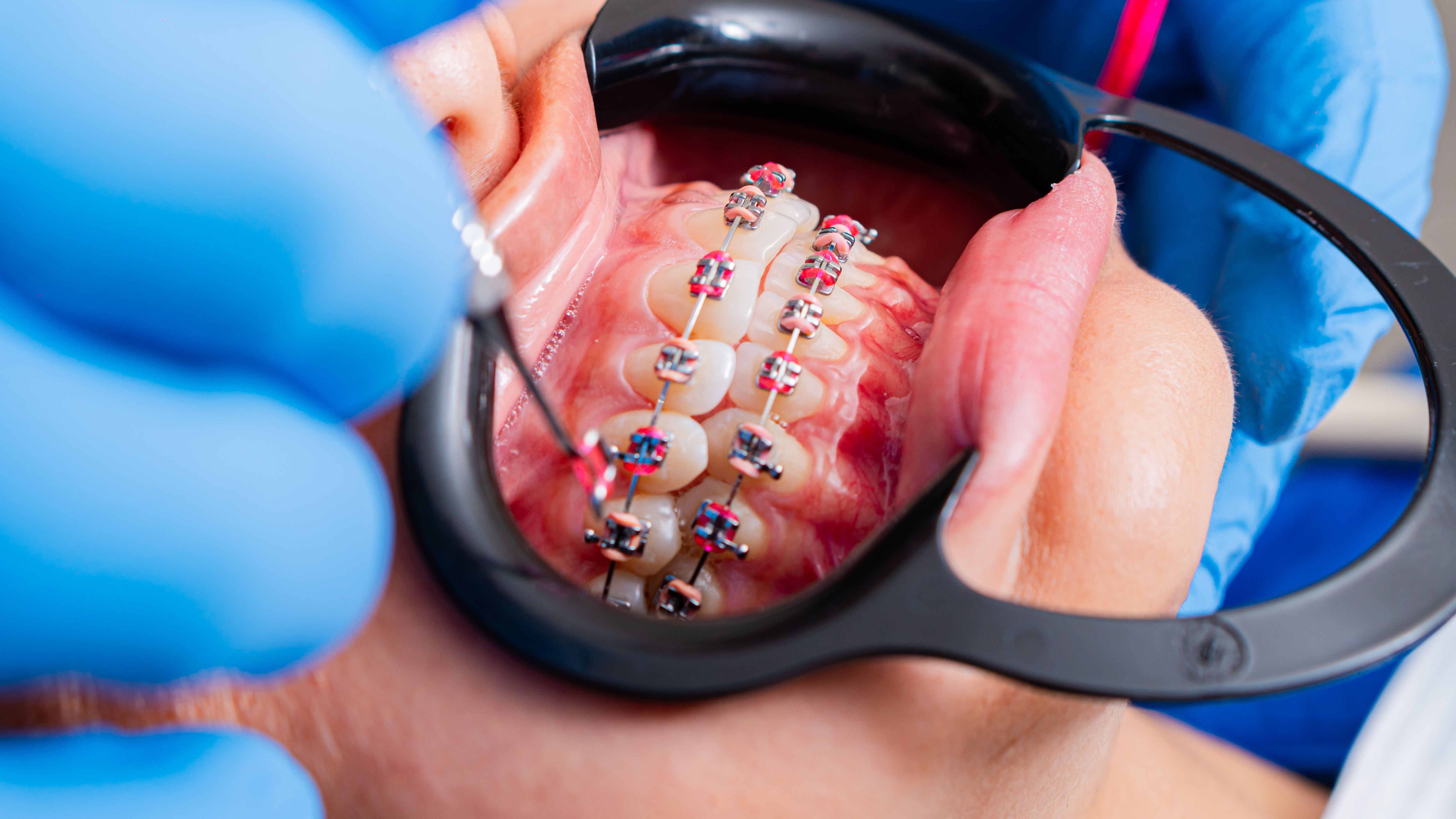
Day three is the worst day. Not day one. Not the day the brackets go on. Day three, when the novelty has worn off, your mouth feels like it lost a fight with a zipper, and you start wondering if you made a huge mistake. Almost everyone hits that wall, and almost everyone is fine by day ten.
That gap between what patients expect and what the first month actually delivers is where most of the frustration lives. You were probably handed a pamphlet and a bag of wax. What you weren’t handed was a realistic timeline. So here it is, laid out week by week, with the parts the brochure skips. If you’re still choosing a provider before any of this starts, finding an orthodontist in chantilly at Omar Orthodontics is the first real decision, because the adjustment plan you get in month one depends heavily on who’s running it.
What follows isn’t a clinical protocol. It’s the lived version, the one you compare notes about with a coworker who got braces two years before you and suddenly has opinions.
What actually happens in the first seven days
The pressure you feel on night one isn’t the teeth moving. It’s inflammation in the periodontal ligament, the little cushion of tissue holding each tooth in its socket. That tissue gets compressed, it complains, and it keeps complaining for roughly 72 hours. Then it adapts. This is why day three hurts more than day one, and why day seven usually feels like a different mouth entirely.
You’ll probably notice three things: soreness when you bite, extra saliva, and a sudden awareness of your tongue against metal. All normal. The saliva thing resolves fast. The tongue thing takes longer, and I’d argue it’s the most underrated annoyance of the whole first month. Your mouth has a schedule it’s followed your entire life, and braces just broke it.
Soft food for the first few days isn’t coddling. Scrambled eggs, yogurt, mashed potatoes, smoothies without seeds. Skip the crusty bread even if you feel fine, because your brackets are still bonded and your bite is still figuring out where it lives now.
The week-two surprise nobody warns you about
Around day eight to twelve, most patients report the opposite problem: things feel too loose. Not the brackets. The bite. Your upper and lower teeth are suddenly meeting in slightly different places than they used to, and chewing feels imprecise, like wearing someone else’s glasses.
That’s the work happening. Teeth don’t glide into position, they rock, tip, and settle in stages. Your bite will feel strange on and off for the entire treatment, and it’s not a sign anything’s wrong. It’s a sign the plan is running.
This is also when people start getting cocky and biting into things they shouldn’t. A bagel. An apple, whole. A carrot. Then a bracket pops off and the confidence evaporates. Cut things up. It’s boring advice and it saves you a repair appointment.
Why the first adjustment visit changes your whole read on treatment
Week four or so brings the first tightening, and it resets the soreness clock. Two or three days of tender again, then fine. Here’s the part I’d tell any friend: the second round of soreness is psychologically easier than the first, not because it hurts less, but because you now know the shape of it. You know it ends.
That first adjustment is also when a good practice separates itself from a mediocre one. You should leave with a clear answer to three questions: what changed today, what’s the next milestone, and what should you watch for before the next visit. If you can’t repeat the answers back in the parking lot, ask again.
Questions worth asking at that first adjustment
- Which teeth moved since last time, and by how much?
- Is my bite tracking the way you expected at this stage?
- Am I cleaning the spots that matter, or just the easy ones?
Short list. High value. Write it in your phone notes before you walk in, because the chair small talk eats the first five minutes.
The cleaning routine that survives braces
Standard brushing advice tends to fall apart the moment wire enters the picture. You need a proxy brush, sometimes called a interdental brush, and you need it more than you think. Food parks under the archwire where a toothbrush head physically cannot reach, and that debris sits there for hours.
According to the American Dental Association, brushing twice a day with fluoride toothpaste remains the baseline for everyone, braces or not. The braces-specific add-on is timing: after every meal, not just morning and night, because your hardware is a food trap by design. Two minutes with the brush, then thirty seconds with the proxy brush along the gumline under the wire.
Whitening toothpaste is a waste of money during treatment. It can’t reach the enamel under a bonded bracket, so it just whitens everything around it, which sets up uneven shade when the brackets come off.
Skip it until you’re out. Your future self, staring at the mirror on removal day, will thank you.
Handling the small emergencies without panicking
Roughly a third of first-month patients will deal with at least one poking wire or loose bracket. The wire is the common one, usually at the back where it has nowhere left to go. Orthodontic wax, a clean pencil eraser pushed gently to bend the tip inward, and a call to the office covers most cases.
What you should not do is start clipping wires with nail scissors. I’ve heard that story enough times to know how it ends, and it ends with a wire that retracts into your gum and a much less pleasant visit. The MouthHealthy resource from the dental association covers the everyday care side well if you want a second reference to keep bookmarked.
Swelling, a bracket fully detached and sliding on the wire, or pain that wakes you up at night: those get a same-day call to your provider. Everything else can usually wait for business hours.
A month in: what you’ll actually notice
You’ll stop noticing the brackets around week three. Not entirely, but the background hum of awareness fades, and you’ll catch yourself laughing without covering your mouth. Your speech will have settled if it was ever off. You’ll have a food list memorized, a cleaning routine that runs on autopilot, and a realistic sense of how this whole thing goes.
What you probably won’t see yet is visible movement, and that’s the cruelest part of month one. The changes that early are measured in fractions of a millimeter. Photograph your smile on day one anyway. In six months, compared side by side, those photos will be the most convincing thing you own.
The adjustment curve is real, it’s predictable, and it flattens faster than you’d expect from the passenger seat in week one. Which part of this first month are you dreading most, the soreness, the food restrictions, or the cleaning? Name it now, because the answer tells you exactly what to prep for before your brackets go on.


Leave a Reply