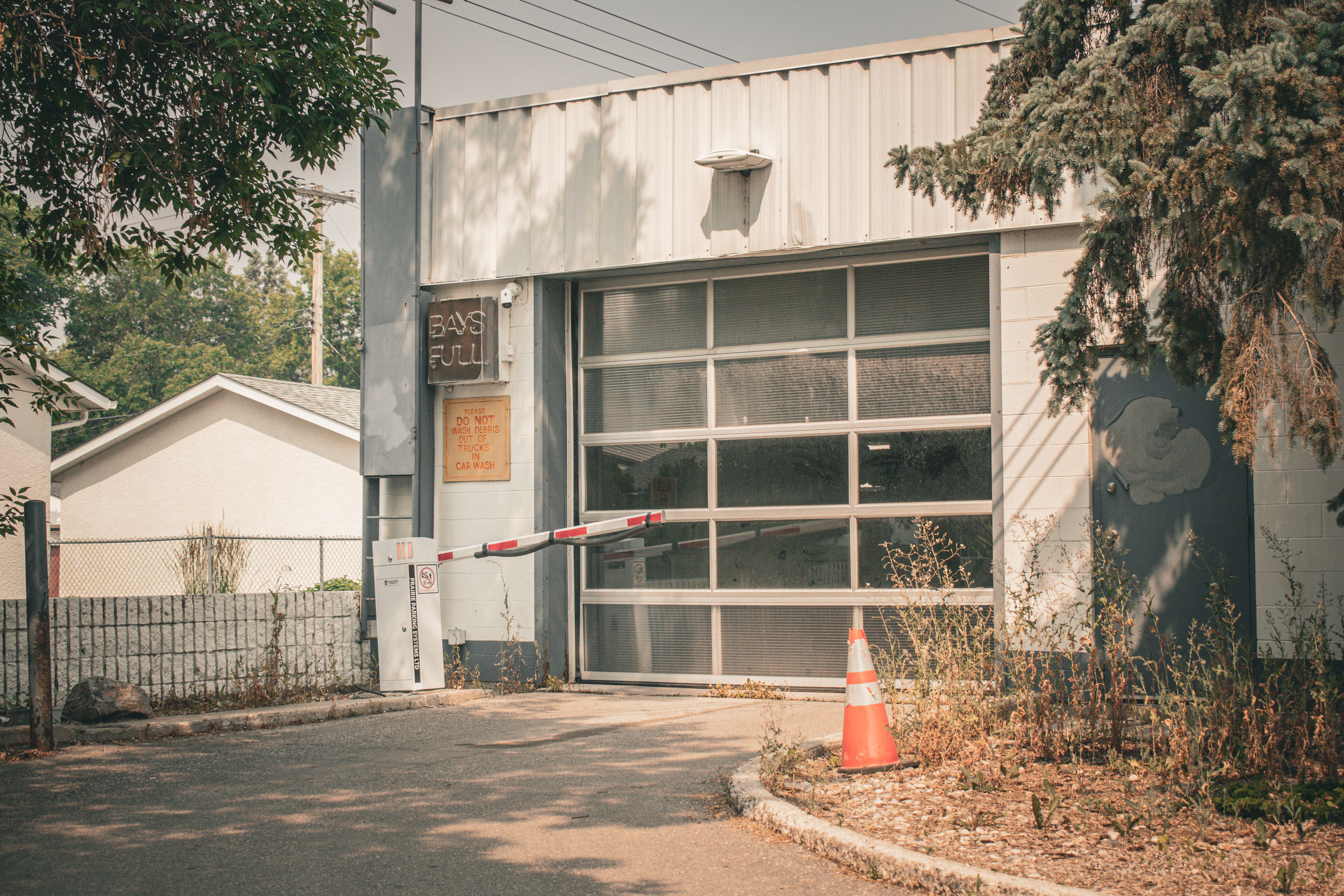
A gate or overhead door that works perfectly on installation day is facing three forces from the moment it goes into service. Weather pushes on it, soaks it, freezes it, and bakes it. Corrosion eats slowly at its metal parts. And every opening and closing cycle adds a little more wear to springs, hinges, rollers, and motors. Technicians at companies like Zimmer Gates & Doors see the results every day, from sagging driveway gates to commercial doors that stall halfway open. Knowing how these forces act on each part of the system helps property owners spot trouble early and extend service life.
Why Gates and Doors Wear Differently From Other Structures
Most building components sit still. Gates and doors move, often dozens or even hundreds of times a day, while also standing outside in every kind of weather. That combination of motion and exposure is unusual. A fence panel can rust for years without much consequence, but a rusted hinge on a 400-pound swing gate changes how the whole gate hangs, which strains the operator and can affect safety sensors.
Because the parts depend on one another, a small problem in one area tends to spread. A routine inspection from a provider such as Zimmer Gates & Doors looks at the entire system together, since a struggling motor is often a symptom of a binding hinge, a shifted post, or a worn spring rather than a failure in the motor itself.
How Each Part of the System Responds to Stress
Frames, Posts, and Tracks
The structure carries the weight of the gate or door. In central Ohio, the biggest threat to that structure often starts underground. Freeze-thaw cycles can heave soil, and gate posts set too shallow may tilt or lift over a few winters. Even a slight shift throws a swing gate out of alignment, causing it to drag or fail to latch. On overhead doors, bent or misaligned tracks create similar binding.
Hinges, Rollers, and Bearings
These are the parts that move the most, and they wear accordingly. Grit, road salt, and moisture work into pivot points and roller bearings, increasing friction. As friction rises, the door or gate needs more force to move, which loads the operator and springs. Dry, squeaking, or grinding parts are an early sign that lubrication or replacement is needed.
Springs and Counterbalance Systems
Overhead doors rely on springs to offset most of the door’s weight. Standard torsion springs are commonly rated for about 10,000 cycles, which a busy household might reach in seven to ten years and a busy commercial dock might reach far sooner. High-cycle springs are available for heavy-use doors. Corrosion shortens spring life further by creating weak points in the steel.
Operators and Electronics
Gate and door operators contain motors, gearboxes, circuit boards, and wiring that dislike moisture, temperature extremes, and power surges. Cold weather thickens lubricants and reduces battery capacity in backup systems. Heat can stress electronics in sun-exposed housings. Water intrusion into control boxes and limit switches is a common cause of erratic behavior.
Safety Devices
Photo eyes, edge sensors, and other entrapment protection devices are required for automatic gates under the UL 325 safety standard. These sensors are vulnerable to misalignment from vibration, blocked lenses from dirt or spider webs, and wiring damage from moisture. A sensor that fails silently is a serious hazard, which is why regular testing matters.
Finishes and Surfaces
Paint, powder coating, and galvanizing are the first line of defense against corrosion. Once a scratch or chip exposes bare steel, rust can spread beneath the coating. Wood gates face a different problem, absorbing moisture, swelling, and warping over time.
Corrosion in Practical Terms
Steel rusts when exposed to oxygen and moisture, and road salt speeds the process dramatically. Chloride from deicing salt splashes onto driveway gates, garage doors, and the bottom edges of commercial doors throughout an Ohio winter. Hot-dip galvanizing protects steel by coating it with zinc, which corrodes first and shields the metal underneath. Aluminum resists rust but can corrode when it touches a different metal in the presence of moisture, a process called galvanic corrosion. Rinsing salt residue off lower door sections and gate frames during winter thaws slows damage considerably.
Matching Stressors to Warning Signs
| Component | Main Stressor | Common Warning Sign | Typical Response |
| Posts and frames | Frost heave, impact | Gate drags or misses latch | Realign or reset posts below frost depth |
| Hinges and rollers | Grit, salt, wear | Squealing, jerky motion | Clean, lubricate, or replace |
| Springs | Repeated cycles, rust | Door feels heavy or uneven | Professional spring replacement |
| Operators | Moisture, temperature extremes | Slow, stalling, or reversing | Inspect, seal housing, service motor |
| Safety sensors | Dirt, vibration, moisture | Gate or door refuses to close | Clean, realign, test |
| Finishes | UV, salt, scratches | Chipping, rust spots | Touch up coatings promptly |
A Seasonal Approach to Maintenance
Spring is a good time to inspect posts and tracks for winter shifting and to wash away salt residue. Summer checks focus on operator housings, sun-damaged seals, and lubricating moving parts. Fall is ideal for testing safety sensors, replacing worn weatherstripping, and confirming battery backups before cold weather. In winter, keeping tracks and sensor paths clear of ice and snow prevents most cold-weather malfunctions.
Frequently Asked Questions
How often should automatic gates and overhead doors be serviced?
Most residential systems benefit from annual service, while commercial doors and high-traffic gates often need inspections every three to six months.
Why does my gate work in summer but struggle in winter?
Cold weather thickens lubricants, weakens batteries, and can shift posts through frost heave, all of which increase resistance.
Can I replace garage door springs myself?
Spring replacement is best left to trained technicians, since springs store a large amount of energy and can cause serious injury.
Protecting Your Gate and Door Investment
Weather, corrosion, and constant use affect every gate and door system, but they do so in predictable ways. Watching for early warning signs, protecting finishes, and scheduling regular service keep small issues from turning into costly breakdowns. For a full inspection of your gates or doors and a maintenance plan suited to Ohio’s seasons, contact Zimmer Gates & Doors and schedule service with technicians who understand how these systems wear over time.



Leave a Reply