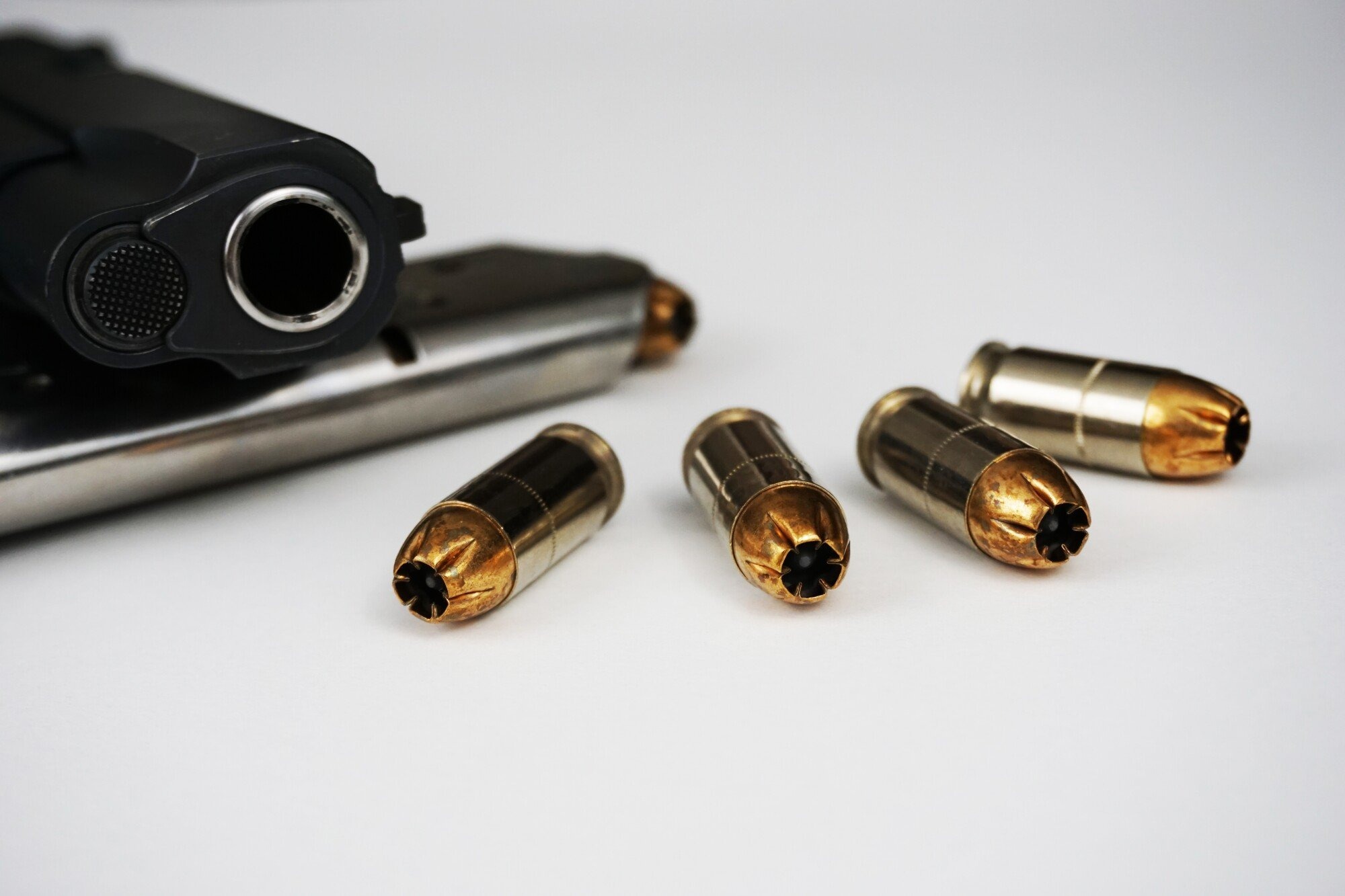
Because .308 Winchester and 7.62x51mm NATO share identical exterior lengths of 2.8 inches, gun owners occasionally treat them as fully interchangeable. You might look at two cartridges on a workbench and see no physical differences. This visual similarity leads many shooters to load whichever round they have on hand without accounting for underlying chamber pressure and headspace tolerances.
Treating these rounds as the same cartridge puts your firearm and your physical safety at risk. You need to understand the internal geometry and pressure limits of your specific rifle before pulling the trigger.

What Happens When You Mix Up These Cartridges?
Dropping a high-pressure commercial round into a surplus military rifle creates an immediate safety hazard. The discrepancy in internal chamber dimensions causes the brass casing to stretch beyond its structural limits upon firing. Stretching metal under extreme heat and pressure leads to a ruptured case inside the chamber.
You cannot rely on a simple visual inspection to tell these two rounds apart. Both cartridges share the same shoulder angle and case length, meaning they will drop right into the same magazine. This identical geometry creates a false sense of security for novice shooters who assume all similar rounds function safely.
Comparing SAAMI Specifications and Headspace Dimensions
Civilian rifles built for the commercial market follow stringent maximum pressure guidelines established by industry organizations. Manufacturers engineer these civilian chambers with very tight tolerances to maximize accuracy on the shooting range.
Every shooter needs a solid understanding of the internal dimensions inside their weapon. When you review technical specification charts for 7.62 NATO vs 308 Win, you notice immediate differences in pressure tolerances and headspace dimensions. These charts reveal exactly why you must respect the stamped caliber on your barrel.
The Differences in Commercial and Military Chamber Headspace
The engineering data from AmmoLand shows that civilian Winchester chambers feature a headspace measuring between 1.630 and 1.6340 inches, while the military specification chamber runs noticeably longer at between 1.6355 and 1.6405 inches. Firing the commercial round in the longer military chamber forces the thinner commercial brass to expand across that dangerous extra distance.
Why Do Military Chambers Need Extra Headspace?
Military weapons must operate reliably in the most demanding environments imaginable. Mud, carbon buildup, and debris find their way into the action of an infantry rifle during extended field use. A tight match-grade chamber would quickly jam under these harsh conditions.
Soldiers cannot call a timeout to scrub their chambers when fighting in sandy or muddy environments. The rifle must cycle the next round no matter how much grit coats the bolt face. That small fraction of an inch in extra chamber length provides the necessary clearance to keep the weapon running smoothly.
How Brass Wall Thickness Impacts Your Rifle
To survive the violent extraction process of machine guns and automatic rifles, military ammunition features much thicker brass walls near the base. The thicker webbing prevents the casing from tearing when the rifle rips it out of a dirty chamber. When the firing pin strikes the primer, the brass casing instantly expands to grip the walls of the chamber.
Thicker brass walls directly reduce the internal volume available for gunpowder. If you pack the same powder charge into a military case that you would normally put into a commercial case, you create a dangerous spike in pressure.
Modern Ammunition Manufacturing and Match Grades
Modern ammunition makers produce precise rounds tailored for both chamber types. You can find high-performance competition loads specifically tuned for your exact rifle setup. American Rifleman reports that factory rifle loads from brands like Winchester now feature advanced boattail hollow point designs for multiple calibers, including both the civilian .308 and the military 7.62.
Shooting these specialized match-grade rounds out of the correct chamber yields exceptional accuracy. You gain the benefits of modern bullet technology without risking the structural integrity of your firearm. You should always match the box of ammunition to the exact markings on your barrel.
Verifying Your Barrel Stampings Before Firing
Safety starts with knowing exactly what you are holding in your hands. Never assume a rifle’s chambering based on its outward appearance or the shape of its magazine. You must take deliberate steps to verify your equipment before heading to the firing line.
- Check the barrel: Inspect the metal near the receiver for a stamped caliber designation to confirm the true chambering of the rifle.
- Consult a gunsmith: Take surplus military rifles to a qualified professional to have the chamber measured and inspected for wear.
- Test with go-gauges: Buy a set of headspace gauges to personally measure the chamber length of any secondhand rifle you purchase.
Taking a few minutes to verify your rifle prevents dangerous malfunctions and protects your investment.

Confirming barrel markings and chamber headspace prevents dangerous over-pressure incidents when handling these visually identical cartridges. Taking the time to understand the mechanical limits of your rifle guarantees a reliable and predictable shooting experience. You protect yourself, your firearm, and the people standing next to you on the firing line by strictly matching your ammunition to your chamber.




Leave a Reply