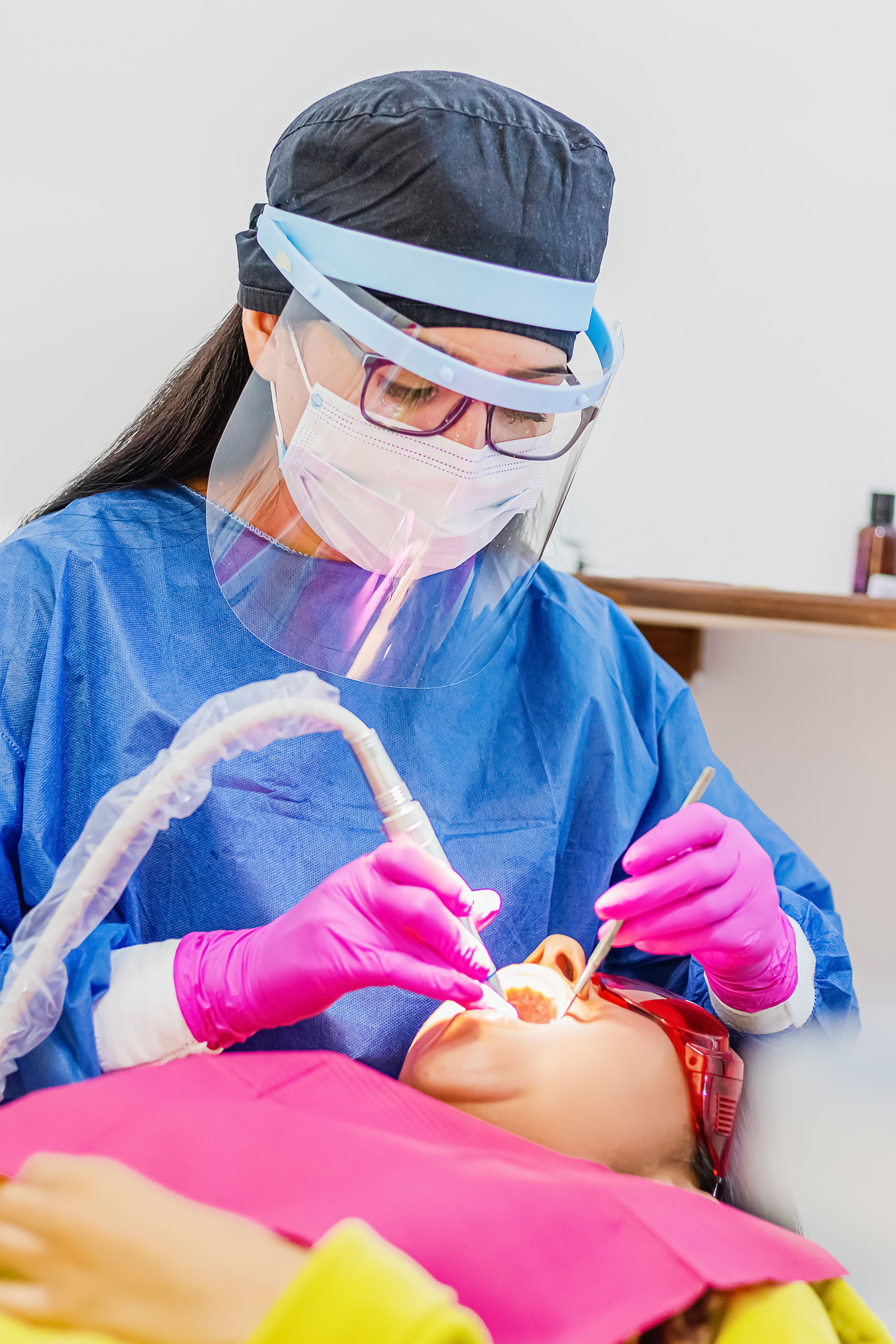
Most people think the hard part of dental fear is the chair. It isn’t. The worst stretch usually happens at 11 p.m. three weeks out, when you’re staring at a phone reminder and rehearsing reasons to cancel.
I’ve talked to enough nervous patients to know the pattern: the dread peaks long before the appointment and crashes once you’re actually sitting down. That mismatch is the whole problem. You’re planning for the wrong moment.
So here’s the useful idea. Treat fear like a timeline with four stages, and handle each one separately. If you want a calm starting point for the actual visit, find a practice that advertises gentle care, like a dentist surrey at Panorama Place Dental Centre, and notice how they describe anxious patients on their site before you call.
What are the four stages of dental anxiety?
I call this the Lead-Up Model, and it splits the experience into Book, Wait, Room, and After. Naming them matters because the thing that fixes stage one does nothing for stage three.
| Stage | What it feels like | What actually helps |
|---|---|---|
| Book | Reluctance, endless scrolling, putting off the call | Booking by message instead of phone |
| Wait | Nighttime dread, cancellation fantasies | A short written plan and one friend on standby |
| Room | Racing heart, clenched jaw, grip on the armrest | An agreed stop signal and a narrated visit |
| After | Relief, then guilt about the gap since last time | Rebooking before you leave the parking lot |
The Book stage is where most avoidance lives, and it’s also the easiest to beat. If phone calls make you squirm, use the online form. Nobody at the front desk is grading you.
The Wait stage is where you actually lose
A two week gap between booking and sitting down is enough time to talk yourself out of anything. Your brain fills the silence with worst cases, and none of them involve a hygienist politely asking you to open wider.
Here’s the move I’d pick: shorten the wait on purpose. Ask for the first available slot, even if it’s inconvenient, rather than the one that fits your calendar neatly. A Tuesday morning appointment booked four days out beats a perfect Thursday six weeks away, every single time. You’re not dodging the fear, you’re just refusing to give it a runway.
If a long wait is unavoidable, write down the three specific things you’re afraid of. Not “the dentist.” Actual items, like the sound of the polisher or the moment they mention a filling. Vague fear grows. Specific fear shrinks, because you can ask about it in advance.
The Room stage: script it before you walk in
Once you’re in the chair, anxiety has a physical signature. Shoulders climb, jaw locks, breathing gets shallow. That’s a normal stress response, not a character flaw.
Agree on a stop signal before anything starts. A raised hand is standard, and good practices honor it without drama. Then ask for narration: tell me what you’re doing next. Hygienists who narrate turn a mystery into a sequence, and sequences are much easier to tolerate than unknowns.
One more practical note. Bring earbuds, but don’t assume music fixes it. The drill has a frequency that cuts through most playlists. What works better for lots of people is a podcast at low volume, because the speech gives your brain something to track while your mouth is otherwise occupied.
Why the After stage decides your next five years
The appointment ends, you feel great, and then life happens. Eighteen months later you’re back to square one and now there’s guilt stacked on top of the original fear.
Rebook at the desk. Not “I’ll call when my schedule clears.” At the desk, before the parking garage. Your calm self makes better decisions than your future anxious self, and the calm version is the one standing there right now.
This is also the stage where prevention pays off in a way you can measure. According to the Centers for Disease Control and Prevention, routine dental visits and good oral hygiene habits are central to preventing cavities and gum disease, which means the shorter your gaps, the less likely you are to face the bigger procedures that feed the fear in the first place. Shorter visits, fewer surprises. That’s the loop you want.
What to say when you call
You don’t need a speech. You need four sentences, and you can borrow mine.
- “I have some dental anxiety and I’d like a longer first appointment if that’s possible.”
- “Can you tell me which provider is best with nervous patients?”
- “Is there a stop signal I can use?”
- “What’s the first available slot you have?”
Saying it out loud once removes the need to say it five times in the chair. Front desk teams hear this constantly, and a decent practice will adjust without making it weird. If they sound impatient on the phone, that’s your answer about the whole visit.
A quick note on sedation and where it fits
Lots of people ask about it before they’ve tried anything else. My honest opinion: save it for the cases where the standard tools fail. The American Dental Association notes that anxiety about dental treatment is common enough that many practices offer options ranging from a careful, slower appointment to pharmacological sedation, and which one suits you depends on the level of fear, not the size of the procedure. A cleaning under mild sedation is usually more than the situation calls for.
Kids pick up your timeline, not your words
This one surprises parents. If you’re anxious, your kid probably will be too, and it won’t be because of anything you said. It’ll be because of the way you gripped the steering wheel in the parking lot.
The Government of Canada publishes straightforward guidance on children’s oral health that emphasizes early, regular visits and prevention, and the practical upshot is that a first appointment at a young age tends to set a calmer baseline for years afterward. Treat that first visit as a tour, not a test, and your child’s timeline starts healthier than yours did.
What a realistic nervous-patient plan looks like
Picture a reader named Dana. Four years since her last cleaning. She books online on a Monday, takes the first Thursday morning slot, and writes three fears on a sticky note. In the chair she raises her hand once, the hygienist pauses, and the rest takes twenty minutes. She rebooks at the desk on the way out. Nothing dramatic happened. That’s the point. The plan was boring and it worked, and boring is exactly what you want here.
Your timeline will look different from Dana’s, and that’s fine. What matters is that you stop treating the whole thing as one big blob of dread and start handling it in stages. The night before is not the same as the front desk, and the front desk is not the same as the chair.
Pick the stage that scares you most right now, and fix only that one this week. What’s the smallest version of that step you could take before Friday?




Leave a Reply