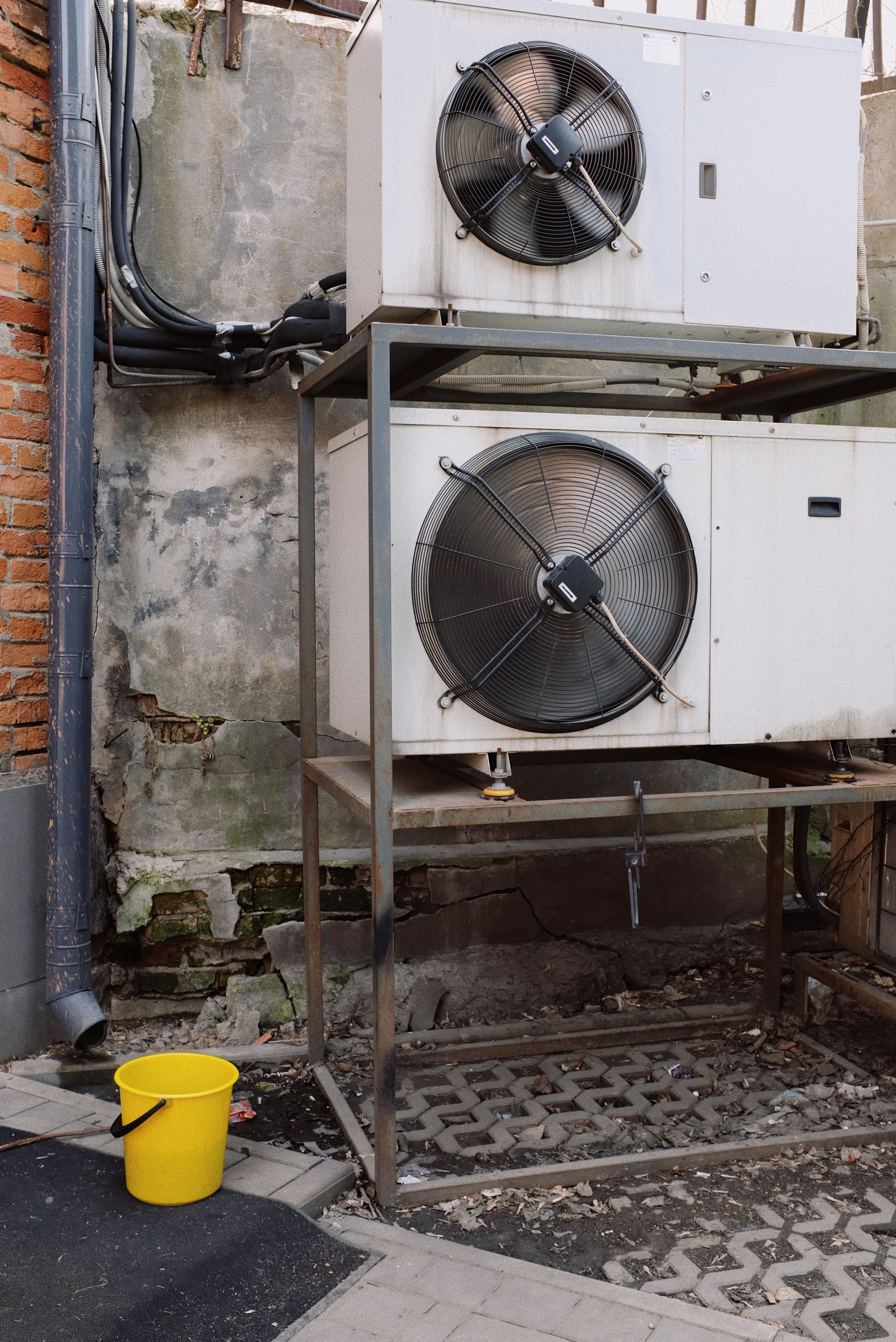
Replacing a heating and cooling system is one of the biggest investments homeowners make. Understanding new HVAC system cost factors helps you budget wisely, compare quotes, and choose equipment that delivers long-term comfort and efficiency. At Full Spectrum, we believe homeowners deserve clear information before making this important decision.
What’s Included in an HVAC Replacement
A complete HVAC replacement cost typically covers new equipment, installation labor, refrigerant, thermostat setup, removal of the old system, and required permits. Depending on your home, it may also include duct modifications, electrical work, and new drain lines. Always ask what is included in your estimate.
Factors That Affect New HVAC System Cost
When asking how much is a new HVAC system, several factors determine the final price.
System Type and Size
Central air conditioners, heat pumps, furnaces, and ductless mini-splits all have different price points. System size, measured in tons, must match your home’s cooling and heating load. Larger homes generally require larger, more expensive systems.
Efficiency Ratings and Brand
Higher SEER2 and HSPF2 ratings mean greater energy efficiency and lower utility bills, but these systems cost more upfront. Brand reputation, warranties, and advanced features such as variable-speed compressors also affect pricing.
Ductwork, Labor, and Installation Complexity
Damaged or poorly designed ductwork may need repair or replacement. Installations in attics, tight spaces, or older homes may require more labor, increasing total costs.
Cost to Replace an AC Unit vs. a Full System
The cost to replace AC unit components alone is typically lower than replacing your entire HVAC system. However, replacing only one component can create mismatched equipment, reduce efficiency, and void warranties. If your system is more than 10 to 15 years old, replacing both indoor and outdoor units together is often the smarter long-term choice.
Hidden Costs to Ask About Before Signing
- Permit and inspection fees.
- Electrical upgrades or new circuits.
- Duct repairs, sealing, or replacement.
- Upgraded thermostats or air quality accessories.
- Disposal of old equipment and refrigerant.
Rebates, Tax Credits, and Financing Options
Many utility companies and manufacturers offer rebates on high-efficiency systems. Incentive programs and tax credits change over time, so ask your contractor which offers currently apply. Financing plans can make a new system more manageable by spreading payments over time.
How to Compare HVAC Quotes
Comparing quotes carefully is one of the best ways to control costs and avoid surprises. Request at least two or three written estimates. Make sure each quote includes a load calculation, equipment model numbers, efficiency ratings, warranty details, and a clear breakdown of labor and materials. Choose a licensed, insured contractor with strong reviews rather than simply selecting the lowest price.



Leave a Reply