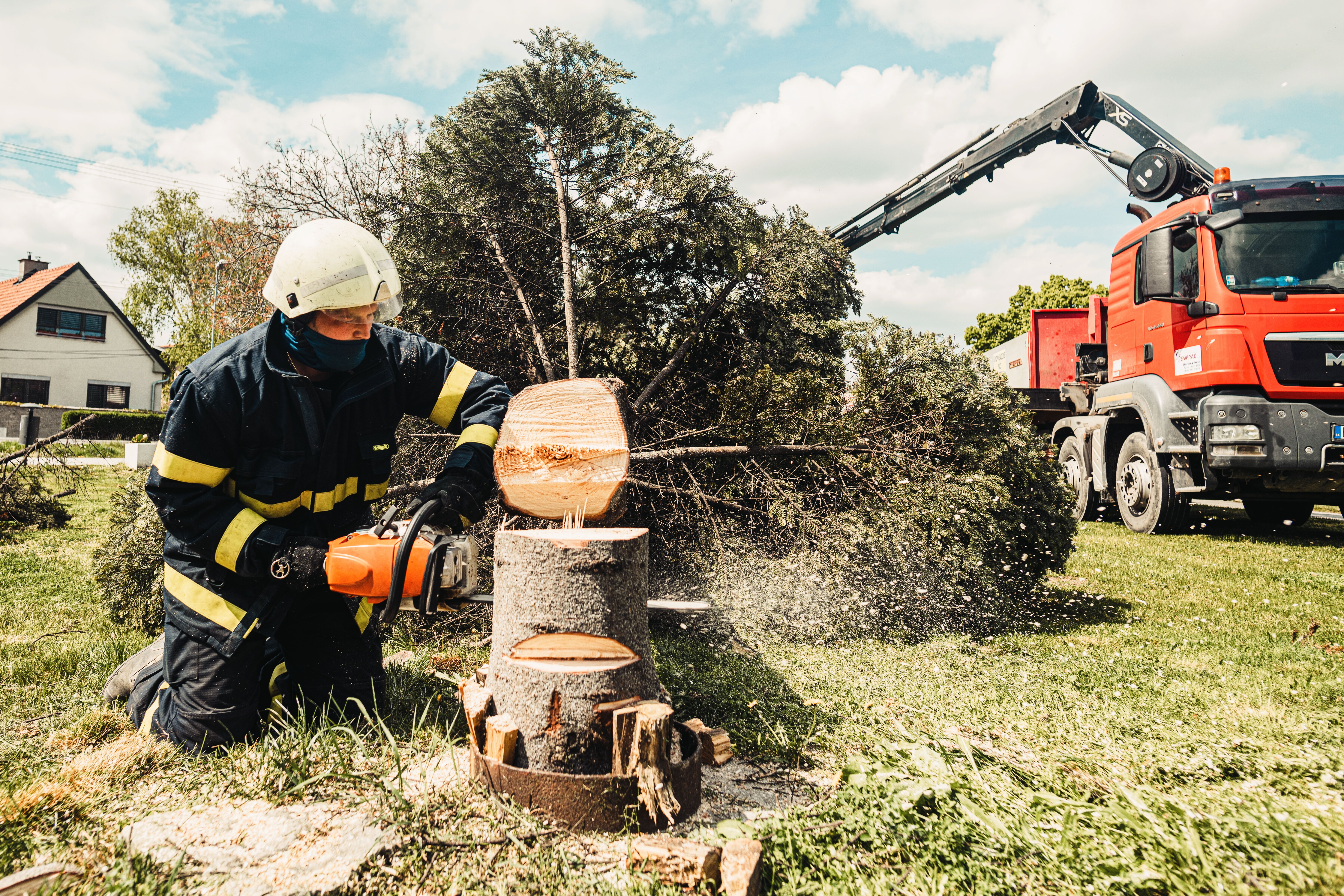
Whether a tree is dead, leaning toward your home, or simply in the wrong place, removing it is a significant decision. One of the first questions homeowners ask is: how much does tree removal cost? The answer depends on several factors, from the size of the tree to how easy it is to reach. Understanding what drives tree removal pricing helps you budget with confidence and compare quotes fairly.
What Goes Into the Cost of Tree Removal
The total tree removal cost reflects much more than cutting a tree down. Professional crews must assess the site, protect nearby structures, safely bring the tree down in sections when needed, and remove the debris. Equipment, labor, insurance, and disposal all factor into the final price. For a detailed on-site assessment from experienced arborists, you can visit https://progresotree-experts.com/ to learn more about professional tree services in your area.
Key Factors That Affect Tree Removal Pricing
No two trees are exactly alike, which is why the cost to remove a tree can range from a few hundred dollars to several thousand.
Tree Size, Height, and Trunk Diameter
Larger trees require more time, more workers, and heavier equipment. A small ornamental tree may be removed in under an hour, while a tall oak or mature palm may need climbers, rigging, or a crane. Trunk diameter also affects how much wood must be cut and hauled away.
Location, Access, and Nearby Structures or Power Lines
A tree standing alone in an open yard is far easier to remove than one growing beside a house, fence, pool, or power line. Limited access for trucks and equipment means more manual work and careful rigging, which raises the price.
Tree Condition: Dead, Leaning, or Storm-Damaged Trees
Dead or decaying trees can be brittle and unpredictable. Leaning or storm-damaged trees often need special techniques to remove safely, adding time and risk to the job.
Extra Costs to Expect: Stump Grinding, Hauling, and Cleanup
Many quotes cover only cutting the tree down. Ask whether the estimate includes:
- Stump grinding or full stump removal.
- Hauling away logs, branches, and debris.
- Wood chipping or cutting logs into firewood lengths.
- Yard cleanup and raking after the job.
- Permits, if your city requires them for certain trees.
Emergency Tree Removal vs. Planned Removal
Emergency removals after storms usually cost more because crews must respond quickly, often in hazardous conditions with damaged property involved. Scheduling removal of a dead or declining tree before storm season is typically safer and more affordable.
Why the Cheapest Quote Is Not Always the Best Choice
An unusually low price can mean the company lacks proper insurance, licensing, or safety equipment. If an uninsured worker is injured or your property is damaged, you could be held responsible. Always verify insurance coverage and experience before hiring.
How to Get an Accurate Tree Removal Estimate
To receive a reliable quote, request an on-site inspection rather than a phone estimate. Get two or three written estimates that clearly list what is included, ask about cleanup and stump grinding, and confirm the timeline. A detailed estimate prevents surprises and ensures the job is done safely.


Leave a Reply