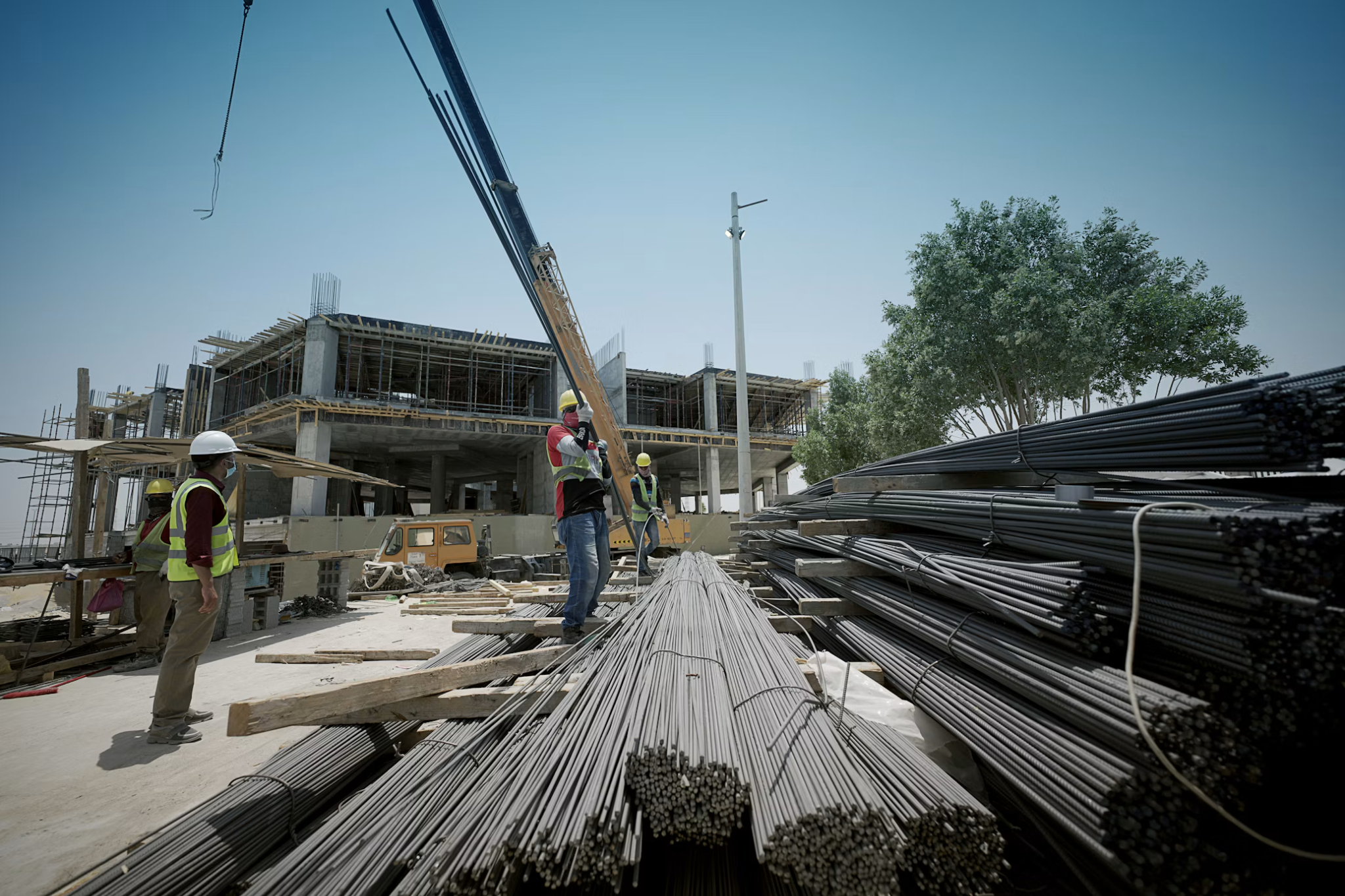
A single mechanical lifting error can injure workers, damage equipment, delay a civil project, or put the public in danger. For contractors and site supervisors, preventing these incidents means more than meeting safety requirements; it means protecting lives, avoiding costly disruptions, and keeping every lift under control. Understanding equipment inspections, controlled concrete placement, and clear contractual responsibilities can help make that confidence a reality.
The Danger of Mechanical Slips
A mechanical slip can develop in seconds. A connection may shift, a load can swing after a sudden stop, or worn equipment may fail under stress. Wind, uneven ground and poor visibility add further risk. On a constrained civil site, even a small movement can put a load into traffic, scaffolding, utility lines or an occupied work area.
Many incidents begin with conditions that appear manageable in isolation. A crew may use equipment close to its rated capacity while working on sloped ground. The operator may then receive an unclear signal as the load starts moving. Those factors combine and leave little room to correct an error.
A documented lift plan should identify the load’s verified weight, expected path, attachment method, and exclusion zone. It should also assign one trained person to direct the movement. General lifting safety guidance recommends assessing hazards before work begins and maintaining clear communication throughout the task.
Crews should stop work when site conditions no longer match the plan. That includes unexpected wind, changing ground stability, damaged connection points, or unauthorized people entering the controlled area. A deadline doesn’t change the physical limits of equipment.
Manual handling also deserves attention around lifting operations. Workers often move hoses, fittings, and smaller components before the mechanical lift starts. Guidance on lifting and material handling highlights the value of reducing awkward reaches and limiting unnecessary carrying. Keeping access routes clear and staging components near the work area can lower strain while reducing trip hazards.

Certified Lifting Attachments
Attachments create the connection between machinery and the material being moved, so their capacity and condition need close review. Contractors should confirm that each attachment is intended for the load, compatible with the operating equipment, and clearly marked with its rated limit. The identification should remain readable after repeated use in dirt, rain, and concrete residue.
Product selection needs to account for how the material behaves during movement. Liquid concrete shifts inside a container and changes the forces acting on connection points. Contractors choosing a concrete kibble should consider capacity, discharge design, lifting points, and compatibility with the site’s handling equipment. The planned volume must also stay within the attachment’s rated working limit.
Before every shift, a competent worker should inspect attachment points, locking parts, welds, and safety catches. Cracks, distortion, corrosion, or missing identification are reasons to remove equipment from service. Following a construction equipment maintenance checklist can help identify potential defects before they compromise equipment safety. A painted-over defect or improvised repair can hide damage without restoring the original strength.
Inspection records should identify the item, date, inspector, and result. They should also show what happened after a defect was found. Tagging an item out of service is only the first step. The record needs to confirm whether it was repaired by an authorized party, formally recertified where required, or permanently withdrawn.
Human lifting limits still apply when crews position removable components. Published workplace lifting limits explain that there is no single safe weight for every person and task. Frequency, grip, posture, and travel distance all affect risk, which is why mechanical assistance and team handling may be needed even for smaller parts.
Controlled Flow with a Concrete Kibble
Moving concrete safely involves controlling both the suspended container and its contents. A sudden discharge can overload formwork, strike workers, or cause splashing onto nearby surfaces. If the flow starts before the container reaches the intended position, the operator may have limited ability to stop the material from spreading.
The lift plan should define where the container will travel and where it will pause. No one should stand beneath the suspended load or place hands near a discharge mechanism while the equipment remains under tension. Barriers can keep other trades and members of the public outside the operating area.
Flow control becomes especially important when filling narrow forms or working close to edges. The discharge point should sit at a practical height that limits splashing without creating contact with reinforcement or formwork. One designated signaler should coordinate positioning with the equipment operator, while another trained worker controls discharge only after the load has stabilized.
Crews should agree on standard hand signals and radio terms before the first movement. If the operator loses sight of the signaler or receives conflicting directions, movement should stop. This simple rule prevents workers from trying to correct an uncertain situation while a heavy load remains in motion.
Site supervisors should also plan for cleanup. Dried material can interfere with gates, latches, and moving parts during the next shift. Cleaning must follow the manufacturer’s instructions and take place after the equipment has been isolated and placed in a stable position. The inspection that follows should check for buildup, blocked movement, and damage caused during use.
These controls support broader heavy lifting practices, including reducing manual handling and using suitable mechanical equipment. A controlled pour protects workers while helping the project achieve consistent placement with less waste and rework.
Accountability in Civil Contracts
Public safety requirements should be clearly defined in contracts before work begins. Specify requirements for lift plans, equipment records, operator qualifications, daily inspections, and immediate defect reporting.
Contracts should also assign responsibility for approving lifting procedures, controlling work zones, and suspending unsafe operations. Workers must have the authority to stop work when they identify damaged equipment or unstable loads.
Project owners can reinforce these standards through preconstruction reviews and regular audits. Check inspection logs, equipment selection procedures, and workers’ understanding of site safety signals to ensure requirements are followed.
Near-miss reporting helps identify problems before injuries occur. Investigate incidents, identify their causes, and assign corrective actions with clear deadlines.
Accountability must also cover subcontractors and rented equipment. Verify maintenance records, rated capacity, and equipment identification before allowing outside machinery onto the site.
Clear contract terms give public agencies a basis for enforcement while helping contractors plan staffing, costs, and schedules. Proper preparation reduces mechanical failures and protects workers and the public.



Leave a Reply