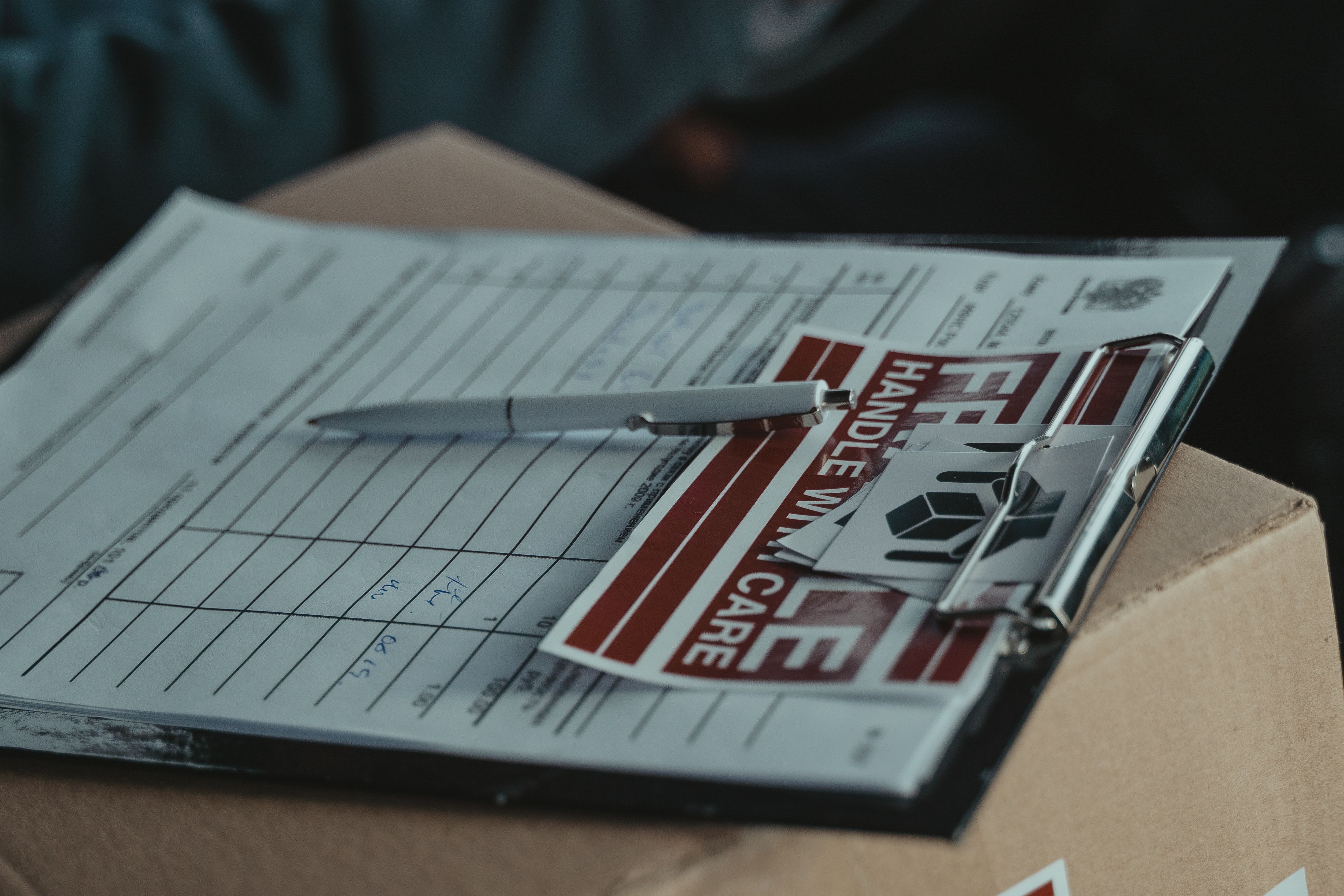
Fuel delivery disputes rarely begin with a difficult customer. They start with a ticket missing a meter reading, showing an unclear quantity, or failing to link the load to a specific stop. Weeks later, office staff must defend an invoice using incomplete records. A consistent paper trail gives dispatchers, drivers, customers, and auditors the same facts. Better records start before the truck leaves the yard, so the first review should focus on each ticket’s required fields.
Fuel delivery offices need a form that keeps the customer copy, driver record, and billing copy consistent. A ticket should capture the customer name, address, quantity, meter readings, price, and driver information. Printed fuel tickets give each delivery a fixed place for those details, reducing handwritten gaps before an audit begins.
Why Small Errors Become Disputes
An illegible digit can change the recorded quantity or price. A missing address can make staff question whether the ticket matches the correct account. A blank driver field removes a direct link between the delivery and the person who completed it.
These errors create delays because office staff must reconstruct events through memory, invoices, route notes, or phone calls. Customers then receive explanations based on secondary records instead of the document signed at delivery.
Paperwork also affects billing control. If the ticket shows 450 gallons but the invoice shows 405, staff need a clear reason for the difference. Without a documented correction, either figure can appear unreliable.
Build A Complete Ticket Record
A fuel ticket should match the information that dispatch and billing staff already use. Before printing or ordering forms, the operation should identify every field required during a normal delivery.
Useful fields include:
- Customer name and service address.
- Delivery date and driver identification.
- Meter readings before and after delivery.
- Quantity delivered and unit price.
- Product type, payment details, and customer signature.
- Space for notes, corrections, or special instructions.
The layout should give each field enough room for clear handwriting. Crowded boxes encourage abbreviations, misplaced numbers, and notes that become difficult to read after several weeks.
Multi-part sets also help preserve the same record throughout delivery. The driver, customer, and office can each receive a copy without rewriting the information later. Every copy should remain legible and match the signed original.
Match Forms To The Delivery Operation
Standard oil deliveries often need a straightforward ticket with room for customer, driver, meter, and billing information. Propane or LP deliveries may require different fields, so don’t use a standard oil form without review.
Some operations need terms, safety information, or company policies printed on the reverse side. Keeping those instructions on the same ticket prevents staff from searching for a separate insert during a customer question or records review.
The form should also match the office’s software and printer setup. Software-compatible formats reduce manual reentry when printed tickets must agree with dispatch or billing records.
Review Tickets Before Filing
Drivers should check each ticket before leaving the stop. The review should confirm the address, quantity, meter readings, price, signature, and delivery date. A quick check catches errors while the customer and equipment details remain available.
Office staff should review returned tickets before posting invoices. Resolve missing fields immediately, and record the correction according to company procedure. Staff should never guess a quantity or replace a missing meter reading from memory.
A consistent filing method speeds up later reviews. Tickets can be organized by route date, customer account, or delivery number, as long as the same method applies to every record. Scanned copies should remain readable and connected to the matching invoice.
Prepare Before An Auditor Arrives
An audit preparation review should sample recent deliveries and test whether each ticket supports its invoice. The reviewer should compare the customer, date, quantity, meter readings, price, and signature across related records.
Repeated blanks reveal a form or training problem. Repeated quantity differences suggest a data-entry or meter-reading issue. Management can then correct the process instead of treating each dispute as an isolated mistake.
The best time to replace a weak form is before a complaint, chargeback, or audit exposes it. A revised layout, clear driver instructions, and a short office review can remove many preventable gaps.
Conclusion
Fuel delivery records become easier to defend when every ticket captures the same facts in the same places. Managers should review one week of completed deliveries, list recurring blanks or unclear fields, and revise the form before the next audit cycle. The replacement ticket should match delivery software, support required customer and driver copies, and leave room for readable entries. That small paperwork review gives the office a practical record-control process before a dispute demands one.




Leave a Reply