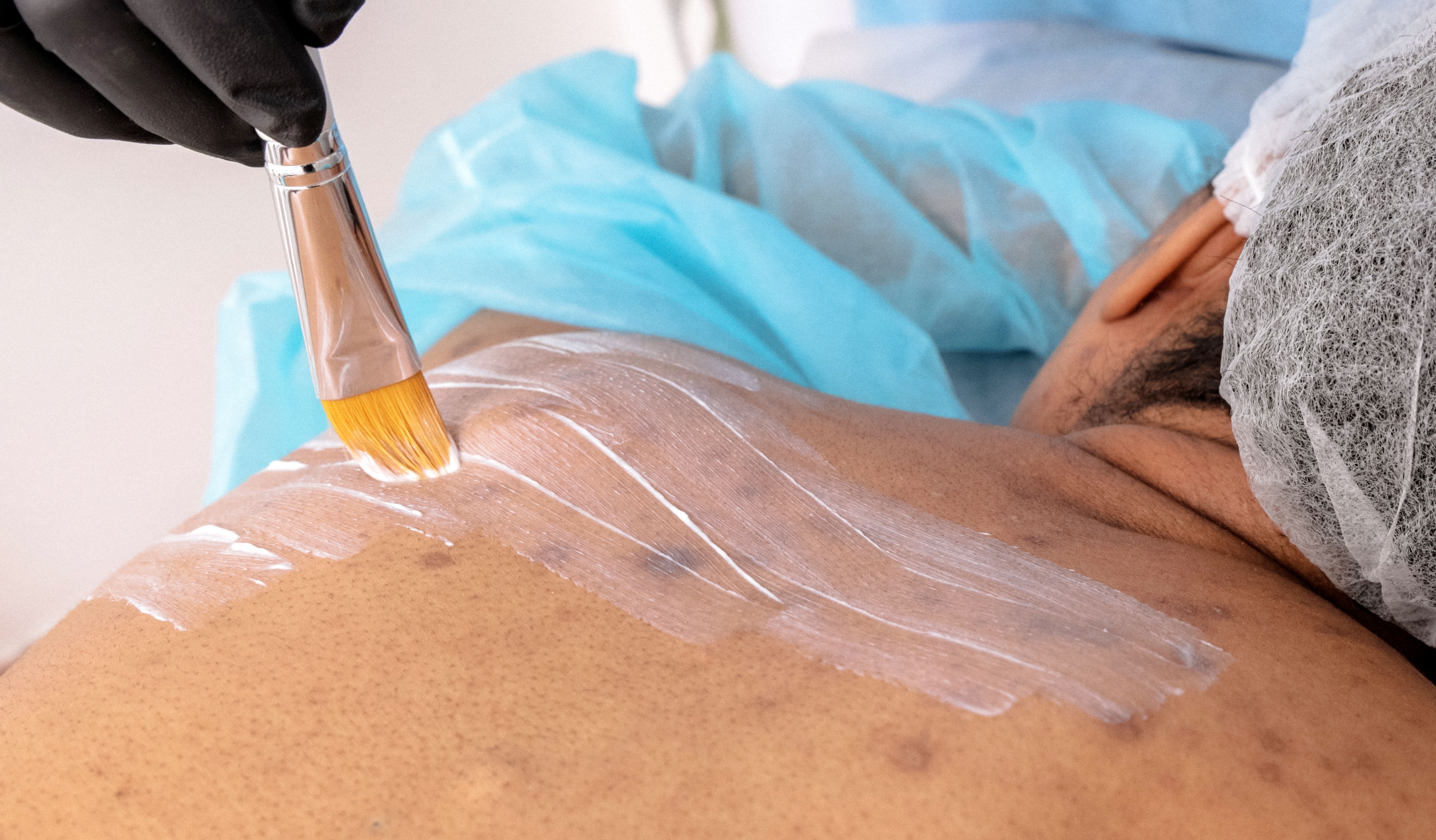
Skin bio-remodelling offers a non-surgical approach to improving skin hydration, texture and elasticity without necessarily changing your facial contours. If you live in Richmond or surrounding areas of Western Sydney, understanding the available treatments can help you decide which approach suits your skin concerns. From injectable hyaluronic acid formulations to complementary rejuvenation treatments, each option addresses different aspects of skin ageing and requires careful consideration.
Understanding Skin Bio-Remodelling Treatments
Skin bio-remodelling focuses on improving skin quality by supporting hydration and the properties of the underlying tissue. Unlike conventional dermal fillers, which primarily restore volume or enhance facial contours, bio-remodelling treatments generally aim to improve skin condition without producing pronounced structural changes.
Injectable treatments containing hyaluronic acid are among the options available. These formulations vary in composition, placement and intended effects. Exploring a personal approach to skin care in Richmond involves considering these differences alongside your skin’s condition rather than assuming every injectable treatment achieves the same outcome.
Comparing Injectable Skin Treatment Options
Hyaluronic acid-based bio-remodelling treatments are designed to distribute within the treated tissue, where they may improve hydration and certain measures of skin elasticity. Depending on the formulation, they may be suitable for concerns involving skin dryness, fine lines and mild laxity.
Skin boosters are another injectable option, generally focusing on hydration and skin texture. Although they share certain characteristics with bio-remodelling treatments, their formulations and injection techniques can differ.
Non-injectable treatments, including certain laser and radiofrequency procedures, may also address skin texture and firmness through different mechanisms. Comparing these approaches helps you identify whether your concerns relate primarily to hydration, surface irregularities or deeper structural changes.
Assessing Your Suitability for Bio-Remodelling
Your suitability for skin bio-remodelling depends on several factors, including your skin condition, medical history and desired results. Treatments intended to improve hydration or mild laxity may not adequately address significant facial volume loss or pronounced skin sagging.
During a consultation, your practitioner should assess your skin, discuss previous cosmetic procedures and review relevant medical conditions or medications. Certain circumstances, including pregnancy, active skin infections or known sensitivities, may affect whether treatment is appropriate.
Your expectations also matter. If your goal is subtle skin improvement rather than a noticeable change in facial shape, bio-remodelling may be worth discussing alongside other suitable options.
Setting Realistic Expectations for Skin Improvement
Bio-remodelling results can develop gradually, and measurable improvements in hydration do not necessarily translate into dramatic changes in facial appearance. Understanding the available evidence can help you distinguish realistic outcomes from exaggerated treatment claims.
The potential benefits of injectable hyaluronic acid are reflected in 2026 clinical research involving 448 adults, where participants receiving non-cross-linked hyaluronic acid injections experienced greater improvements in skin hydration and elasticity than those continuing routine skincare alone. However, these findings relate to the specific formulation and treatment schedule examined, rather than establishing identical results across all bio-remodelling products.
Your response may vary depending on your skin’s starting condition, treatment technique and formulation. Reviewing progress over time is more useful than expecting an immediate or permanent transformation.
Understanding Treatment Sessions and Recovery
The number of bio-remodelling sessions depends on the product, treatment area and individual response. Some injectable hyaluronic acid protocols involve multiple appointments separated by several weeks, followed by reassessment before further treatment is considered.
Temporary redness, swelling, tenderness and bruising can occur around injection sites. Although these reactions are often mild, injectable treatments also carry less common but potentially serious risks, making practitioner qualifications, appropriate product selection and informed consent essential.
Before proceeding, ask about the proposed treatment schedule, anticipated recovery, total costs and aftercare requirements. This helps you assess the practical commitment rather than concentrating solely on the expected cosmetic outcome.
Choosing a Treatment That Suits Your Skin
Exploring skin bio-remodelling in Richmond begins with understanding which concerns each treatment can realistically address. Whether you want to improve hydration, soften the appearance of fine lines or address early skin laxity, the most appropriate option depends on your individual assessment. Comparing treatment mechanisms, clinical evidence, safety considerations and expected maintenance can help you make an informed decision without pursuing unnecessary procedures.




Leave a Reply