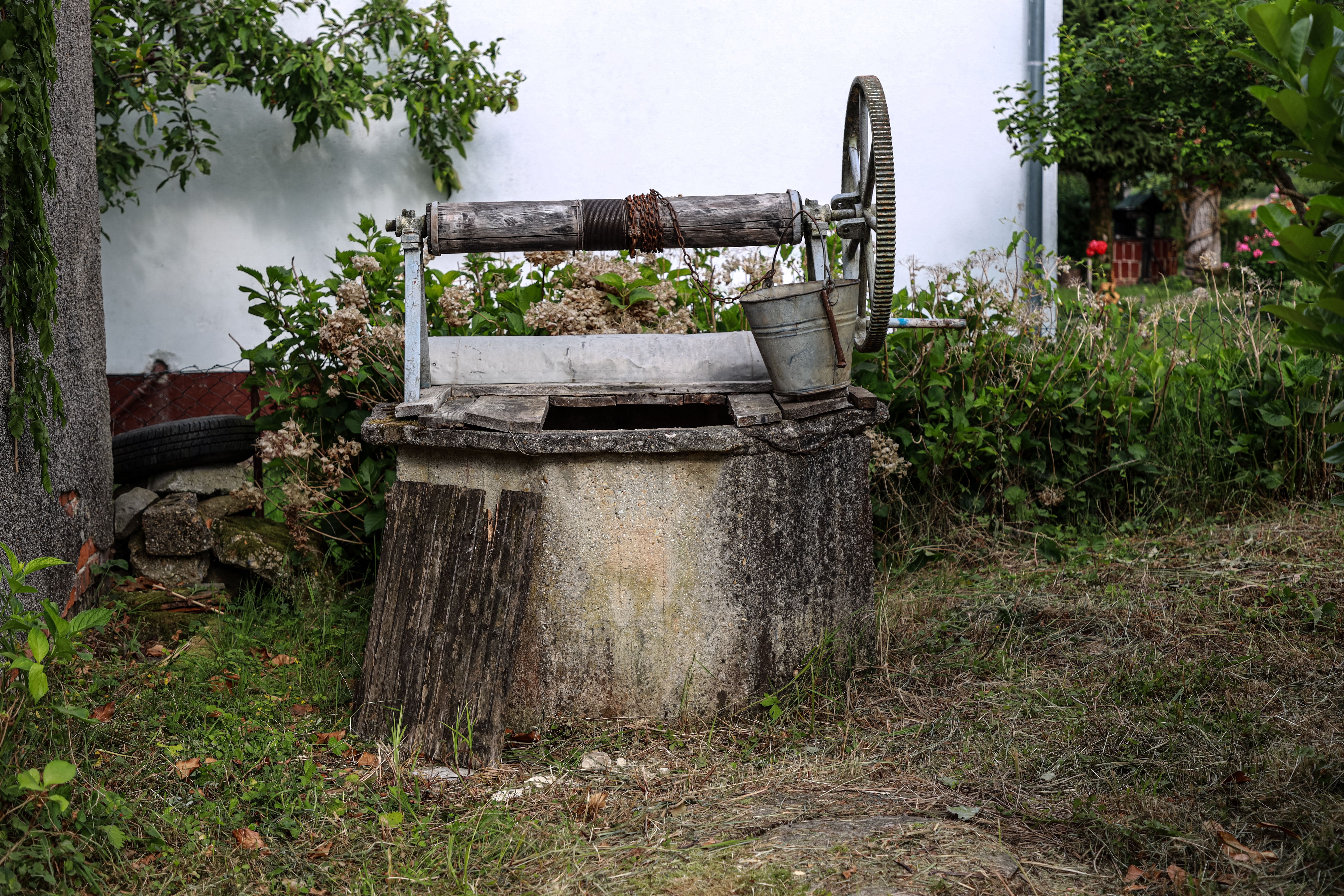
Private well water can provide a reliable source of drinking water, but its safety should never be assumed. Unlike water supplied by a regulated public system, water from a privately owned well is generally the homeowner’s responsibility to test and maintain. Some contaminants have no noticeable taste, smell, or color, which means water that looks clean may still contain substances that can affect health.
This matters even more when a household includes a newborn, a pregnant person, an older adult, or someone whose immune system is weakened by illness or medical treatment. Infants are particularly vulnerable to high nitrate levels, while harmful microorganisms can pose a greater concern for people with reduced immune defenses.
The good news is that regular testing, suitable treatment, and a few practical household habits can help reduce exposure. Understanding well water safety for infants and other vulnerable household members starts with knowing what to test for, when to test, and what to do if a result is outside recommended limits.
Why Some Household Members Face Higher Risk
Not everyone responds to water contaminants in the same way. Age, immune function, existing health conditions, and the amount of water consumed can all influence the potential risk.
A contaminant level that may not cause obvious symptoms in a healthy adult can be more concerning for a baby or someone with a weakened immune system. That is why household water decisions should consider the needs of everyone who drinks or uses the water.
Infants and Formula Preparation
Babies under six months are particularly sensitive to nitrate contamination. High nitrate levels can interfere with the blood’s ability to carry oxygen, causing a condition called methemoglobinemia, sometimes known as blue baby syndrome.
One important exposure route is powdered infant formula prepared with contaminated well water. Even if the water looks clear and has no unusual smell, it may contain nitrate that cannot be detected without laboratory testing.
Parents should have private well water tested for nitrate before using it to prepare formula. If the result is above the recommended limit, or the water has not been tested and its safety is uncertain, use a safe alternative water source and ask a healthcare professional for guidance.
Boiling does not remove nitrate. In fact, as water evaporates during boiling, nitrate can become more concentrated. Boiling may be recommended for certain microbiological concerns, but it is not a solution for chemical contamination.
Older Adults and Immune Conditions
Older adults may have health conditions or take medications that affect their ability to fight infections. People receiving chemotherapy, taking immune-suppressing medication, undergoing organ transplantation, or living with certain immune disorders may also be more vulnerable to microorganisms in drinking water.
Bacteria and other pathogens can enter a well through damaged casing, poorly sealed wellheads, contaminated groundwater, or floodwater. Exposure may cause gastrointestinal illness and can be more serious for someone with reduced immune defenses.
Families should discuss individual drinking-water precautions with a healthcare provider when a household member has a weakened immune system. A recent laboratory report is a useful starting point, but the appropriate testing and treatment plan may depend on the person’s medical circumstances.
Contaminants That Matter Most
The right testing panel depends on the well’s construction, location, surrounding land use, and local groundwater conditions. However, several contaminant groups deserve particular attention in households with vulnerable residents.
Bacteria and Nitrates
Total coliform bacteria are commonly tested as an indicator of possible contamination. Their presence does not automatically mean that disease-causing organisms are present, but it can signal that contaminants may be entering the well.
An E. coli-positive result is more concerning because it can indicate contamination from human or animal waste. A laboratory or local health department can advise on follow-up testing, corrective action, and whether disinfection is appropriate.
Nitrate is another important concern, especially for infants. It can enter groundwater through fertilizer, manure, septic-system leakage, and other sources of nitrogen. Shallow or poorly protected wells may be more vulnerable.
The U.S. Environmental Protection Agency’s drinking-water standard for nitrate is 10 milligrams per liter (mg/L), measured as nitrogen. Water above this level should not be used to prepare infant formula or food for babies. Washington State’s Department of Health also recommends annual private-well testing for coliform bacteria and nitrate.
For households with a baby or someone at increased health risk, do not wait for the next routine test if contamination is suspected. Arrange testing and use an alternative drinking-water source until the results are understood.
Metals and Other Contaminants
Bacteria and nitrate are not the only possible concerns. Depending on the well’s location and local geology, groundwater may contain arsenic, lead, manganese, iron, or other naturally occurring substances.
Human activities can also affect groundwater. Agricultural chemicals, fuel storage, septic systems, and nearby industrial or commercial activities may introduce contaminants that require specific laboratory tests.
Some substances can affect health after long-term exposure, while others may cause practical problems such as staining, unpleasant taste, or plumbing damage. A basic annual test will not identify every possible contaminant.
A useful testing plan should consider:
- Arsenic: A naturally occurring element that can enter groundwater from local rock and soil.
- Lead: May enter drinking water through certain plumbing materials, fittings, or fixtures.
- Manganese and iron: Can affect water quality and may cause staining or other household issues.
- Pesticides and chemicals: May be relevant where agricultural or industrial activities occur nearby.
- Other local contaminants: Your county health department or a qualified water-testing laboratory can help identify substances worth checking.
Do not assume that a water filter designed to improve taste will remove these contaminants. Treatment equipment must be selected for the specific substances found in the test results.
Testing Steps Before and After Major Life Changes
Water testing should be part of normal well ownership, not something done only when water looks or smells unusual. It is especially important when the people using the water or the conditions around the well change.
New Baby, Pregnancy, or Move-In
A new pregnancy or baby is a good reason to review the household’s water-testing records. If the well has not been tested recently, arrange a laboratory test before using the water for drinking or formula preparation.
At a minimum, the U.S. Centers for Disease Control and Prevention recommends that private well owners test annually for total coliform bacteria, nitrates, total dissolved solids, and pH. Additional tests may be appropriate based on local conditions.
When moving into a home with a private well, request recent water-quality results and find out:
- When the water was last tested.
- Which contaminants were included in the test.
- Whether any previous results were outside recommended limits.
- Whether the well has been repaired, disinfected, or modified.
- Whether water treatment equipment is installed and maintained.
- Whether the results came from a qualified drinking-water laboratory.
A report from a previous owner may be useful, but it should not replace current testing if the results are old, incomplete, or do not cover the contaminants relevant to the household.
For families in Washington, the Department of Health provides guidance on testing private well water. Homeowners can also ask their local health department about additional testing recommendations.
Retesting After Storms or System Changes
Heavy rain, flooding, and changes to the well system can create new contamination risks. Floodwater may carry microorganisms, animal waste, chemicals, and other pollutants toward the well opening or into damaged components.
Arrange testing after a flood or when you notice signs that the well may have been affected. Other reasons to consider additional testing include:
- Repairs to the well, pump, casing, or plumbing.
- A damaged or disturbed wellhead.
- Nearby construction, excavation, or land clearing.
- A new septic system or changes to nearby agricultural activity.
- A sudden change in water taste, color, or smell.
- Repeated gastrointestinal illness among household members.
If flooding has affected the well, avoid drinking the water until the well has been assessed and any necessary disinfection and testing have been completed. Follow local health department instructions, since the correct steps depend on the type and extent of contamination.
For households with infants or medically vulnerable residents, it is sensible to be cautious while waiting for results. Use a known-safe alternative drinking-water supply rather than relying on appearance or a home test strip.
Treatment and Daily Habits That Add Protection
Testing identifies what is present in the water. Treatment addresses specific problems. These steps work together, but installing a filter without knowing the water quality can leave important contaminants untreated.
Filtration and Disinfection Options
There is no single treatment system that removes every possible contaminant. The right option depends on the laboratory findings, the amount of water used, the well system, and the household’s needs.
Common treatment options include:
- UV disinfection: Can inactivate many microorganisms when the system is correctly sized, maintained, and supplied with appropriately filtered water. It does not remove nitrate, metals, or other dissolved chemicals.
- Reverse osmosis: Can reduce several dissolved contaminants, including nitrate, when the system is certified and designed for the specific purpose. It requires regular maintenance and filter or membrane replacement.
- Activated carbon filtration: Can reduce certain chemicals and improve taste or odor, depending on the filter design. It does not reliably remove every contaminant.
- Water softening: Primarily addresses hardness minerals. A conventional softener should not be treated as a general drinking-water safety system.
- Shock chlorination: May be recommended to disinfect a well after certain bacterial contamination events. It does not permanently prevent contamination or remove chemical pollutants.
Before choosing equipment, review the laboratory report and confirm which contaminants the proposed system is certified to reduce. Follow installation, maintenance, and retesting instructions. If a treatment unit is not maintained, its performance may decline.
For a household with young children or other vulnerable residents, professional assessment can help connect the test results with a suitable treatment plan. Homeowners can arrange certified water testing services to better understand their well water quality and identify the next steps.
When to Ask a Healthcare Provider
Water testing and medical advice serve different purposes. A laboratory can identify contaminants in the water, while a healthcare provider can explain what a result may mean for a particular person’s health.
Speak with a pediatrician before using private well water to prepare infant formula if the water has not been tested or if results show a possible concern. Ask about an appropriate alternative water source and whether any additional precautions are needed.
Older adults and people with weakened immune systems should also discuss drinking-water concerns with their healthcare team. This is especially important if a water test identifies bacteria or another contaminant that could affect their health.
Seek urgent medical attention if an infant develops a bluish or gray color around the lips, tongue, or skin, particularly if nitrate exposure is possible. Do not wait for another water test before seeking medical care.
Daily habits can also help reduce risk:
- Keep the well cap secure and the area around the well clean.
- Direct surface water and drainage away from the well.
- Store chemicals, fuel, pesticides, and fertilizers away from the wellhead.
- Keep records of water tests, repairs, disinfection, and filter changes.
- Use only treatment equipment appropriate for the contaminants identified.
- Retest after significant repairs, flooding, or changes in nearby land use.
- Keep a safe alternative drinking-water supply available when contamination is suspected.
Make Well Water Testing Part of Your Family’s Safety Routine
A private well can supply good-quality drinking water, but regular testing is the only reliable way to check for many contaminants. This is particularly important when infants, older adults, pregnant people, or immunocompromised family members live in the home.
Start with annual testing for key indicators such as bacteria and nitrate, then add other tests based on local groundwater conditions and the well’s history. If a new baby arrives, you move into a property with a private well, or flooding affects the system, review the water quality before assuming it is safe.
If you own a private well in the King, Snohomish, or Island County area, Specialty Pump & Well can help you take the next step. Visit the Water Testing Services page to learn more about checking your household water and making informed decisions about its quality.




Leave a Reply