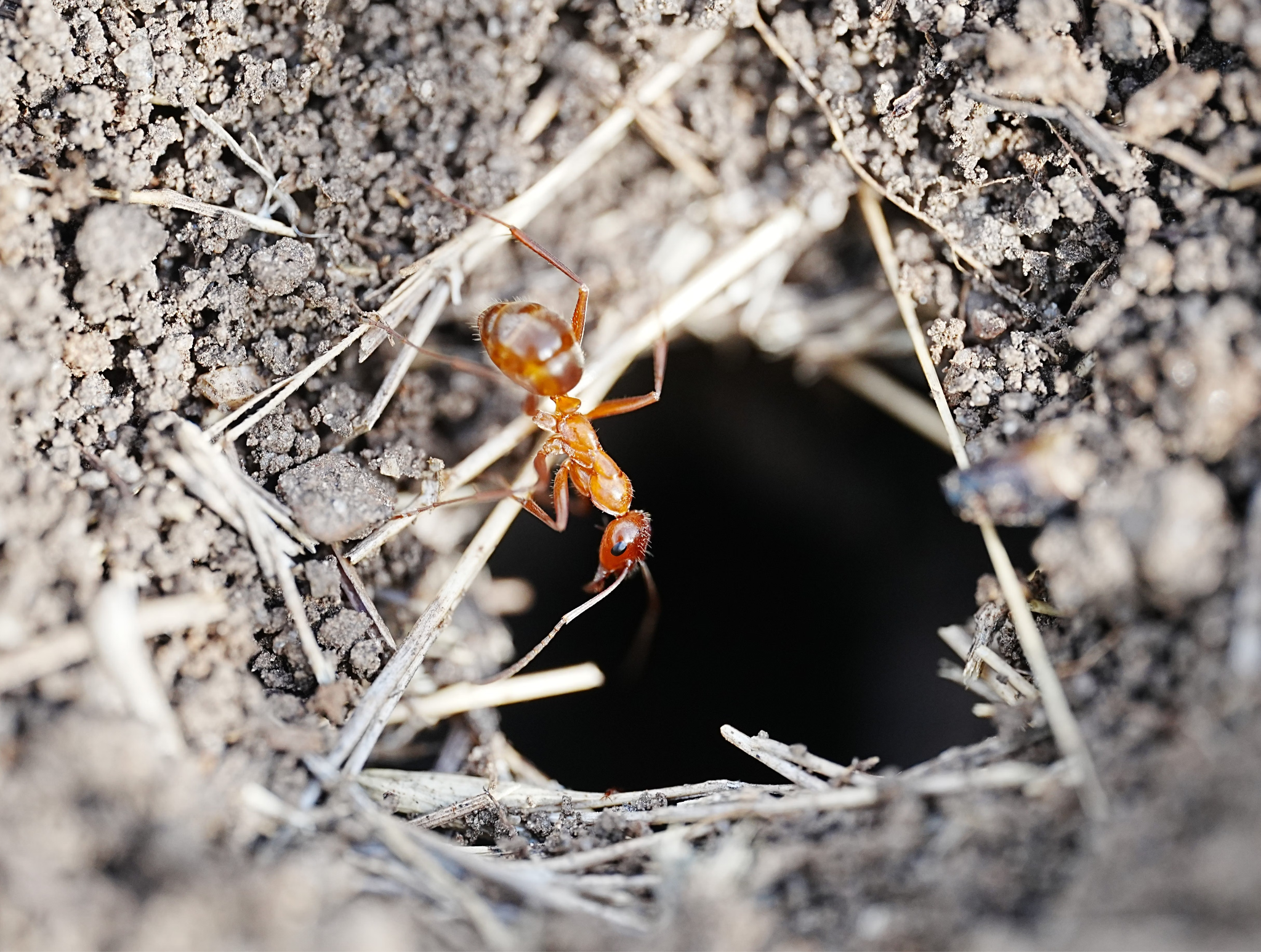
Thick mulch, overwatered flowerbeds, and foundation gaps give outdoor roaches easy access indoors. This reality pushes gardeners toward smarter perimeter management.
Organic mulch and lush foundation plantings beautify your residential yard. Excessive moisture pushed right against your exterior walls creates an ideal harborage for outdoor cockroach species that eventually move indoors. Your carefully curated garden beds easily transform into a thriving habitat for crawling intruders.
Protecting your living space requires viewing your yard through a different lens. Rethinking your yard materials and water usage stops infestations before they cross your threshold. A few strategic adjustments to your perimeter strip away the exact conditions these insects need to survive.

How Do Damp Yard Materials Attract Perimeter Insects?
Your foundation plantings create a microclimate that crawling insects seek out during harsh weather. Thick layers of wood chips trap water against the soil and block sunlight from drying the earth. This combination provides a dark, humid environment right next to your home.
Bugs gravitate toward these protected zones to breed and shelter. The Weather Network points out that cockroaches, centipedes, and earwigs thrive under dense foliage in wet mulch, and piling this material against your siding basically invites them right into your house. Leaving these wet conditions unchecked allows insect populations to explode just inches from your living room.
What Makes Irrigation Runoff A Hidden Threat?
Water management dictates the pest activity around your exterior walls. Automatic sprinklers spraying directly onto your foundation create standing puddles that never fully evaporate. Plants positioned too close to the siding block natural airflow and lock that water in place.
Constant saturation breaks down organic matter much faster. Rotting leaves and decaying bark become an all-you-can-eat buffet for foraging insects. Redirecting your sprinkler heads away from the house removes this artificial water source and forces bugs to look elsewhere for hydration.
Combining Cultural Yard Practices With Targeted Exterior Barriers
Adjusting your yard maintenance forms the foundation of a solid perimeter defense strategy. You can stop yard-dwelling roaches from crossing indoors by utilizing professional Cockroach Control Services to apply targeted exterior treatments along vulnerable entryways. Professional applications work hand-in-hand with your yard care efforts to create an invisible wall against crawling threats.
Combining physical changes with active barriers leaves insects with no viable path forward. Keeping organic matter pulled back gives those targeted treatments the clear space they need to function correctly. A clean, dry perimeter strip maximizes the longevity and effectiveness of your chosen barrier methods.
How Do You Create A Dry Gravel Buffer Zone?
Swapping organic ground cover for inorganic materials immediately drops the humidity levels near your walls. Replacing wood chips with crushed stone strips away the food and shelter crawling insects desperately need. South Placer Municipal Utility District advises homeowners to build a rock barrier separating the home’s foundation from soil and mulch, while sealing up gaps around pipes to block roaches seeking out dark, decaying organic matter.
Creating this defensive ring requires a little manual labor up front. Digging out the existing dirt allows you to lay down weed barrier fabric before adding the stone. This fabric prevents weeds from sprouting and keeps the gravel from sinking into the mud after heavy rains.
Structuring The Buffer Dimensions
The size of your rock barrier determines its effectiveness against migrating insects. A narrow strip offers little protection if heavy winds blow leaf litter right over it. Pushing the gravel out a full 2 to 3 feet forces bugs to cross a wide, dry expanse that they actively try to avoid.
Depth matters just as much as width when designing this zone. A thin layer of pebbles washes away during intense storms and leaves bare spots. Laying the crushed rock at least 4 inches deep creates a permanent, arid gap between your garden and your walls.
What Daily Yard Maintenance Habits Protect Your Perimeter?
Rethinking your weekly yard chores keeps your defensive zones intact. Minor changes to your routine prevent organic debris from piling up and undoing your hard work.
- Rake falling leaves: Clearing dead foliage from your rock barrier keeps the stone dry and exposes hiding bugs.
- Trim overgrown branches: Cutting back shrubs prevents vegetation from touching your siding and creating a literal bridge for insects.
- Inspect gutter downspouts: Extending your drainage pipes pushes rainwater far past your foundation and gravel zones.
Why Does Foundation Maintenance Complete The Defense?
A dry perimeter limits the number of bugs near your house, but physical exclusion keeps the remaining stragglers outside. Small cracks in your concrete or stucco give desperate insects an easy escape route when exterior temperatures drop. Sealing these tiny fissures cuts off their final avenue of approach.
Weatherstripping around your basement windows and doors requires regular checks. Expanding foam fills the oversized gaps around utility line penetrations perfectly. Closing these physical doors complements your dry yard layout and solidifies your home’s armor.

Protecting a home starts at the garden edge by reducing moisture harborage and reinforcing exterior defenses. Managing your exterior materials correctly deprives insects of the exact resources they need to thrive. Maintaining a dry, clear perimeter guarantees your house remains a sanctuary free from unwanted outdoor visitors.




Leave a Reply