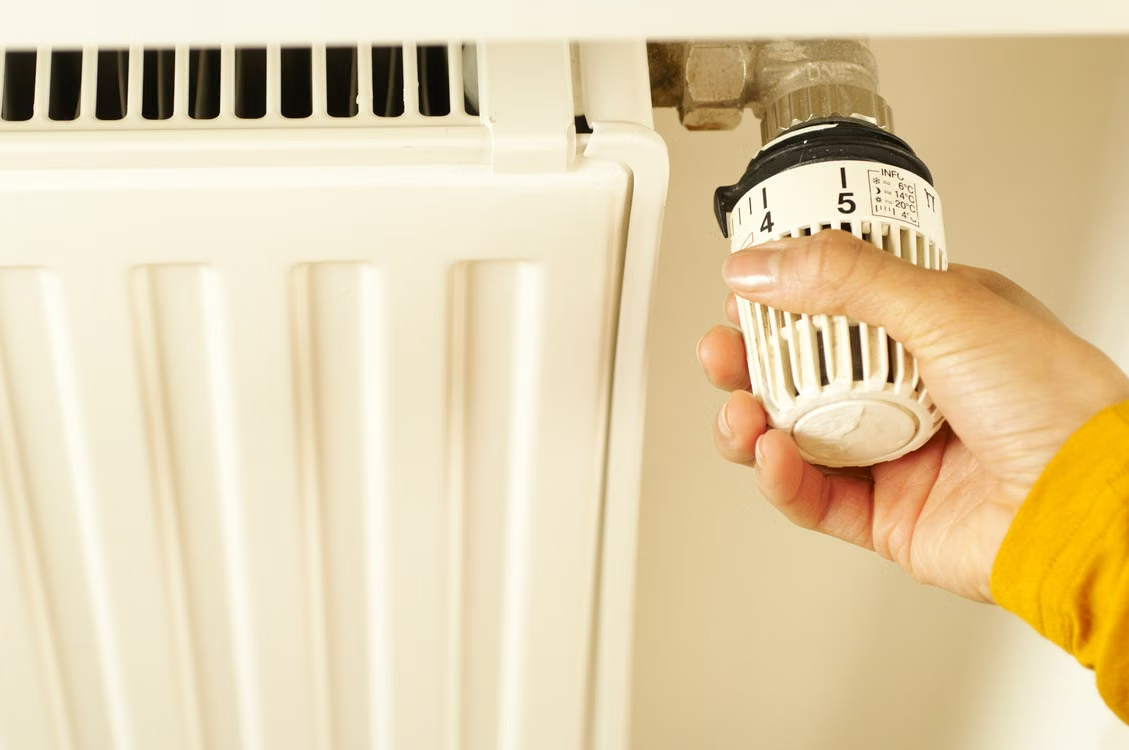
Subtle changes in furnace cycling, airflow, and utility bills often warn of mechanical wear well before a heating system shuts down in freezing weather.
Prolonged winter cold pushes your furnace or heat pump to run around the clock, and minor component wear can quickly escalate into a sudden no-heat emergency. When temperatures plunge below freezing, small performance drops place heavy strain on motors, igniters, and valves.
Learning to spot early warning signs helps you protect your home before a breakdown happens. Knowing which issues require simple filter upkeep and which demand a trained technician keeps your family warm all winter.

Why Does Your Furnace Keep Turning On and Off?
Short cycling happens when your heating system starts up, runs for just a few minutes, and shuts down before warming your rooms. Instead of delivering steady heat, the unit repeats this rapid start-and-stop loop all day.
According to the U.S. Department of Energy, heating and cooling use nearly half of the energy in a typical home, and dirty filters or neglected parts force furnaces to cycle more often under heavier strain. That constant restarting wears down ignition parts and raises your monthly utility bills.
What Do Cold Spots and Strange Noises Tell You?
Uneven room temperatures and unfamiliar mechanical sounds rarely disappear once deep winter arrives. In the Twin Cities, where Minneapolis and Saint Paul winters routinely push furnaces to their limits, these small inconsistencies tend to worsen as the season drags on. When bedrooms feel chilly near the thermostat, or your blower cabinet starts rattling, scheduling heating repair in the Twin Cities lets a certified technician run cold-climate diagnostics before a worn part fails. Catching a slipping belt, failing capacitor, or struggling blower motor early saves you from waking up to a freezing house.
Listen closely for high-pitched squealing, metallic scraping, or loud booming at startup. Each noise points to a specific mechanical fault inside your cabinet.
How Do Clogged Filters Starve Your Heating System?
Restricted airflow ranks among the top causes of winter furnace overheating. When dust and pet hair mat across the return filter, your blower fan works overtime to push warm air through your vents.
Guidance from the U.S. Environmental Protection Agency recommends inspecting HVAC filters regularly and swapping standard pleated filters every 1 to 3 months so trapped debris does not choke airflow across the heat exchanger. Trapped heat trips the high-limit safety switch and forces repeated shutdowns.
Hidden Culprits Inside Your Ductwork and Burner Assembly
Surface dust is not the only problem that robs your home of steady warmth during a cold snap. Internal parts and hidden air pathways degrade quietly behind your walls and service panels.
Leaky Ductwork Wastes Heated Air
Gaps at duct joints or torn insulation in unconditioned basements let warm air escape before reaching your living spaces. Your furnace runs longer cycles to satisfy the thermostat, leaving distant rooms cold while wasting fuel.
Dirty Flame Sensors Interrupt Ignition
Carbon buildup on the flame sensor tricks your control board into thinking no fire is burning. The gas valve then closes within seconds of ignition, causing repeated startup failures.
How Can You Stay Safe While Waiting for Service?
When your furnace struggles during a busy winter week, a few practical steps protect your household and equipment until a technician arrives.
- Verify thermostat settings: Confirm your thermostat is set to heat, raise the target by 3 degrees, and install fresh batteries if the display looks dim.
- Replace dirty filters: Slide out the clogged air filter and insert a clean replacement right away to restore airflow through the return plenum.
- Clear supply vents: Move rugs, drapes, and furniture away from floor registers and cold-air returns so warm air circulates across every room.
- Test safety detectors: Check your smoke and carbon monoxide alarms, and exit your home immediately if you smell gas or exhaust fumes.
Leave sealed combustion panels closed and avoid electrical repairs on your own.
Knowing When Simple Maintenance Ends and Repair Begins
Routine filter changes and clear vents handle basic airflow needs, while persistent short cycling, cold rooms, and strange noises signal deeper mechanical wear. Pushing a struggling furnace through subzero nights often turns a small part replacement into a major system failure.
Watching how your system sounds, cycles, and heats each room gives you a critical head start before minor wear becomes a midwinter emergency.

Your furnace works hardest during severe winter weather, so small changes in comfort or sound deserve immediate attention. Handling basic airflow tasks like swapping filters and unblocking registers keeps your system breathing easily, while calling a licensed technician for sensor, electrical, or ductwork faults protects your home from sudden breakdowns. Stay proactive with your heating upkeep now to enjoy steady warmth all winter.




Leave a Reply