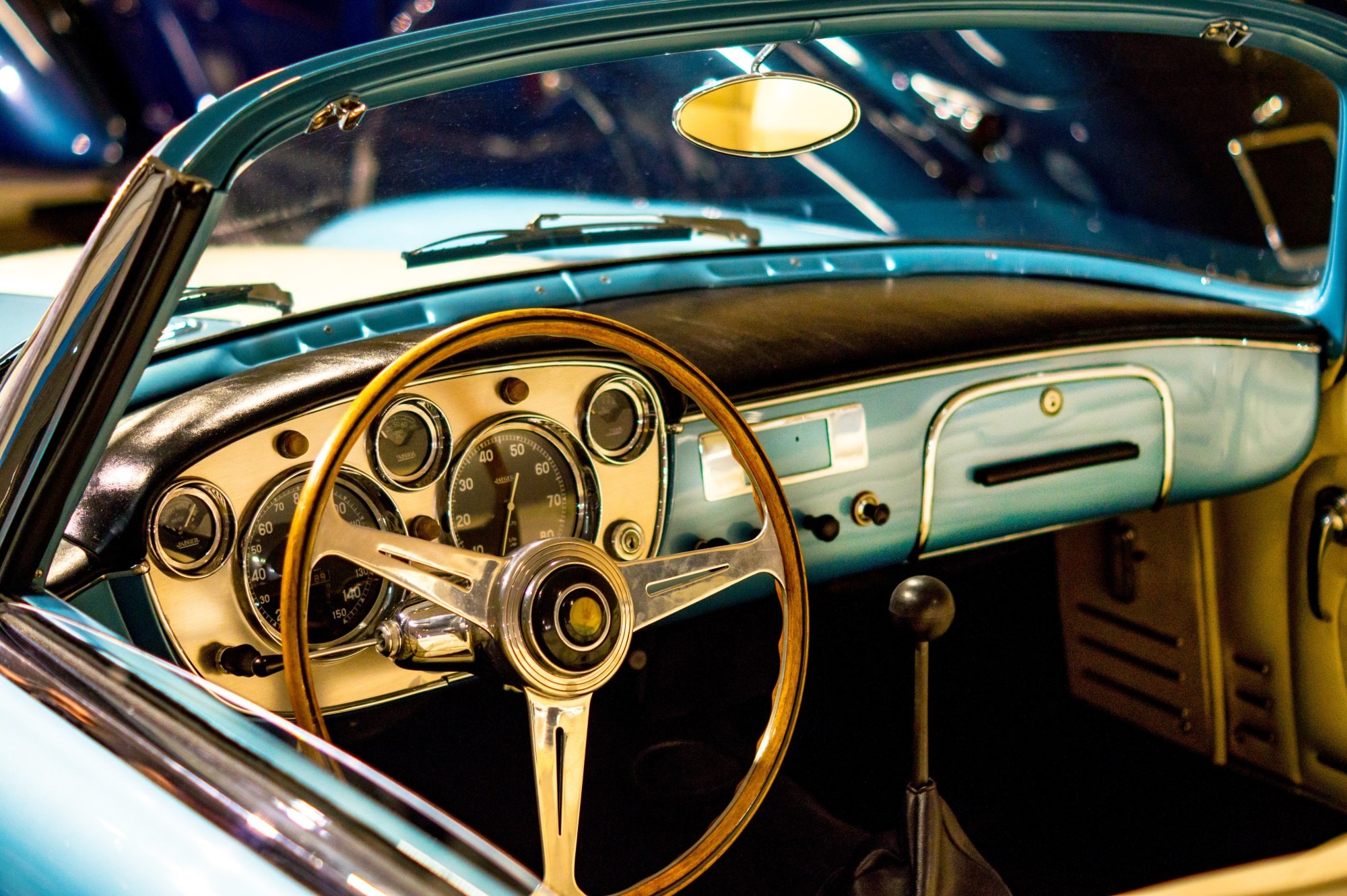
Millennials and Gen Z enthusiasts are fueling demand for analog classic cars, prioritizing documented chassis history, matching-numbers engines, and fair pricing.
Modern cars pack your dashboard with touchscreens, lane-keep sensors, and software updates, leaving you feeling more like a passenger than a pilot. If you crave the raw feedback of a manual gearbox, the smell of warm oil, and the mechanical clarity of an analog cockpit, you are far from alone.
A surge of millennial and Gen Z buyers is stepping into the collector market alongside lifelong hobbyists, eager to trade digital convenience for tactile driving rewards. Understanding what makes these vintage machines tick opens the door to a rewarding corner of car culture.

Why Are Younger Buyers Craving Analog Classic Cars?
Growing up surrounded by smartphones and automated systems makes a purely mechanical car feel like a revelation. When you press a cable-operated throttle or row through a gated shifter, every input produces an immediate, unfiltered reaction from the chassis. You feel the road surface through unassisted steering, hear the intake roar without artificial cabin speakers, and experience driving as an active physical skill.
Data from Rush Experts shows that auction participation among collectors under 40 has jumped by over 30% since 2020, proving this enthusiasm goes well beyond window shopping. Younger buyers are showing up at local cars-and-coffee gatherings, vintage rallies, and online bidding platforms with genuine intent to own and drive.
Which Vintage Models Appeal Most to Today’s Collectors?
Your taste in classics probably reflects the posters you hung on your bedroom wall or the movies you watched growing up. While seasoned collectors still prize 1950s and 1960s icons, younger enthusiasts have broadened the market to embrace 1980s, 1990s, and early-2000s performance cars alongside traditional European and American staples. Reporting from MCQ Markets notes that roughly 60% of Gen Z respondents express interest in owning a classic vehicle, reshaping demand toward attainable, character-rich models.
Air-cooled Porsches, classic Alfa Romeos, vintage BMWs, and British roadsters remain perennial favorites because they balance nimble handling with timeless styling. You can enjoy a 1970s sports coupe on a winding backroad at legal speeds and still feel like you are piloting a race car. Collectors appreciate how easily these models fit into modern garages while offering deep parts support from dedicated marque clubs.
What Key Value Drivers Should You Inspect Before Buying?
Falling in love with glossy paint is easy, so you need a disciplined checklist before wiring a single dollar. Serious collectors evaluate a vehicle’s underlying authenticity and paperwork long before they negotiate the final price. Checking the mechanical pedigree protects your wallet and makes the car easier to resell.
- Verify matching-numbers drivetrains: Check engine block stampings, transmission codes, and chassis plates against factory build sheets to confirm the original powertrain remains intact.
- Audit complete service logs: Look for chronological folders of maintenance receipts, past registration records, and restoration invoices that prove consistent care rather than neglected storage.
- Inspect structural rust zones: Examine floor pans, rocker panels, shock towers, and frame rails closely, because hidden corrosion costs far more to repair than worn upholstery or tired paint.
- Confirm factory trim tags: Match paint codes, interior color designations, and option badges to verify the car left the assembly line in its current configuration.
How Do Nationwide Specialists Simplify Buying and Transport?
Shopping for a specific vintage model rarely means finding the right car in your own neighborhood. You might live in Colorado while your ideal 1970s coupe sits in a showroom across the country, creating valid concerns about accurate condition reporting and safe transit. Working with established nationwide classic car dealers and brokers bridges that geographic gap with structured inspection and logistics support.
Experienced specialists curate diverse inventories of European and American classics, giving you clear photo galleries, undercarriage documentation, and candid mechanical descriptions before you commit. When you want to browse international classic inventory or arrange dependable nationwide sales and enclosed transport, platforms like gullwingmotorcars.com connect buyers and sellers with transparent pricing and door-to-door delivery. Professional enclosed carriers protect vintage paintwork and low-clearance exhausts from road debris and weather, taking the stress out of cross-country acquisitions.
Barn-Find Restoration Projects vs. Turnkey Classics
Choosing between a dusty project car and a finished driver comes down to your budget, workshop space, and patience. Both paths offer genuine satisfaction, provided you enter the deal with realistic expectations about time and labor costs.
Unearthing a long-stored classic carries undeniable romance, and the lower upfront purchase price looks tempting on paper. Before committing, calculate the real cost of rust repair, missing trim pieces, and full mechanical recommissioning. A project makes sense when you possess fabrication skills, enjoy the multi-year restoration journey, and buy a rare model whose finished value justifies the parts bill.
How Can You Prepare for Your First Classic Car Purchase?
Start by narrowing your search to two or three specific models and joining their dedicated owner forums to learn common mechanical weak spots. Study recent completed auction results and dealer listings, so you recognize fair market pricing for driver-quality cars versus concours-level builds.
Arrange an independent pre-purchase inspection with a marque specialist near the seller’s location, as a few hundred dollars spent on a lift inspection can save you from major structural surprises.

Entering the classic car market rewards patient research, verified provenance, and working with transparent specialists who handle nationwide sourcing and logistics. Take your time reviewing chassis numbers, asking direct questions about service history, and aligning your purchase with how you actually plan to drive.




Leave a Reply