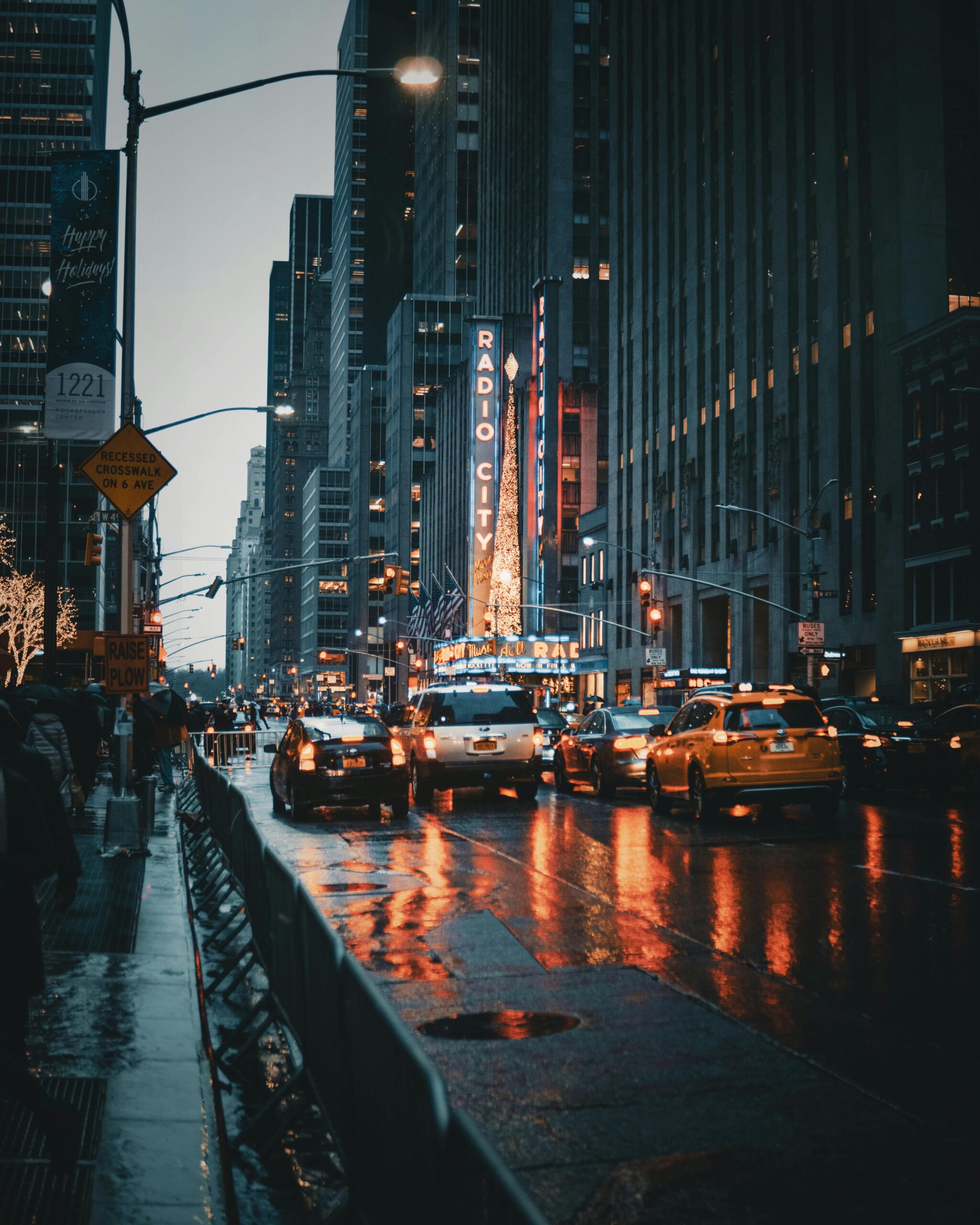
(WNY News Now) – In the wake of recent severe weather events, Jennifer Hope contemplates the effect that such weather can have on local tourism in affected areas.
Just recently, an urgent state of emergency was thrust upon New York City (NYC) due to an onslaught of heavy rains trailing the wake of Tropical Storm Ophelia. It brought back unsettling memories of the havoc wreaked by Hurricane Ida in September 2021 which–like Ophelia–saw the city drowned in a bout of severe flooding. The intensity of the rains left hardly any part of the city spared – homes, businesses, and key infrastructures lay ravaged under the deluge. Queens, along with the rest of the city, was forced into a chaotic disruption while grappling with considerable damage.
The reverberations of such natural disasters are far-reaching, profoundly impacting human lives and the environment as well as essential economic sectors like tourism. Notably, tourism has been a vital cog in the wheel of NYC’s economy. As outlined by a report from McKinsey & Co, it has contributed a staggering sum exceeding $47 billion to the city’s financial health. Consequently, the menacing potential of climatic and weather-related disasters to disrupt the economic rhythm across all sectors cannot be overlooked.
Reduced Arrivals
One of the brutal consequences of natural disasters is the sharp nosedive in tourist arrivals it triggers. From June 2023, tempestuous weather conditions held thousands of travelers hostage as countless flights from New York City, La Guardia, and Newark were stranded. The recent deluge played out a similar mayhem on travel too. NYC’s subway system turned into a shadow of its usual bustle; lines were suspended, stations closed. Even La Guardia Airport’s Terminal A had its shutters down.
Invariably, such catastrophic events prompt any potential visitors to reconsider their travel plans. Fears over safety, disrupted transport, closure of attractions, and logistical nightmares invariably rain on their parade. And it’s not just the immediate devastation that’s concerning. The ripple effects can cause significant damage to vital tourism infrastructure—hotels, airports, restaurants, transport facilities take a hard hit. Closures and loss of businesses paint a grim economic picture.
On the flip side, even areas untouched by the disaster aren’t safe from the apprehension. Visitors worry about their safety and question the reliability of the destination’s crisis response mechanisms. Preparing for this, businesses and tourism providers should ensure safety protocols and contingency plans that can be quickly activated in the event of emergencies—including severe weather disturbances and catastrophes.
Recall February 2023–a winter storm draped Central Park in a 1.8 inch snow blanket, the season’s heaviest snowfall for NYC. In the backdrop, Buffalo battled through snowstorms, while a deadly December blizzard claimed over 40 lives in November-December 2022. Fears now loom of a harsh winter season for New York this year, whipped by a strong El Nino, as per AccuWeather reports.
Commercial properties that are situated in places where the hazards of cold weather are imminent must make sure that the premises are safe for the well-being of staff, customers, and the protection of assets. Snow and ice can disrupt an enterprise’s operations as well as pose risks for humans. In this regard, several steps may be taken to keep roofs, paths, driveway, parking spaces, and gardens clear of snow and ice. Regular clearing of ice and snow prevents them from getting compacted or turning into black ice. Salt, sand, or grit may be applied to prevent falls and injuries and improve the accessibility of the property.
Economic Losses
Natural disasters inflict a deep scar on the local tourism industry, weaving a narrative of economic despair. Key stakeholders – hotels, restaurants, tour operators, transport services, souvenir shops – grapple with massive losses. A slump in arrivals and rampant cancellations bleed revenues, pushing businesses to the brink of shuttering, even permanently in some instances. The magnitude of this can be gauged from the $312 billion global economic losses inflicted by natural disasters in 2022, as per figures by insurance broker Aon.
In the disaster aftermath, the onus falls on businesses to salvage what’s left via extensive recovery and rebuilding efforts. The task encompasses repairs of damaged facilities, equipment replacement, and reviving tourist attractions—an expensive endeavor that devours time. Recent floods shed light on this, emphasizing the need for rapid cleanup and repair operations to restore essential services such as transport and power. While the record-breaking rainfall of September was surmounted in a day, Hurricane Sandy’s onslaught in October 2012 dragged the recovery for an agonizing eight months, with the cleanup consuming three months. The fallout? Drastic damage costs pegged at $19 billion, restoration expenditures exceeding $32 billion, throttled tourist activity, and the livelihood of local communities hanging by a thread.
The economic tremors unleashed by natural disasters also cloud the horizon with thick uncertainty, deterring investments in the tourism sector. Faced with immediate losses from infrastructural damage, dwindling revenues, and escalating recovery costs, businesses become wary of expansion, upgrades or improvement projects. The focus narrows down to financial survival over growth. Additionally, the likelihood of inflated insurance premiums further complicates the financial equation, causing enterprises to put brakes on their investment plans.
Destinations often need to engage in recovery efforts including rebuilding infrastructure, restoring attractions, and renewing its image in the wake of a natural disaster. Preparedness, risk management, and resilience strategies are vital to mitigate the impact of natural calamities and adverse events on tourism.




Leave a Reply