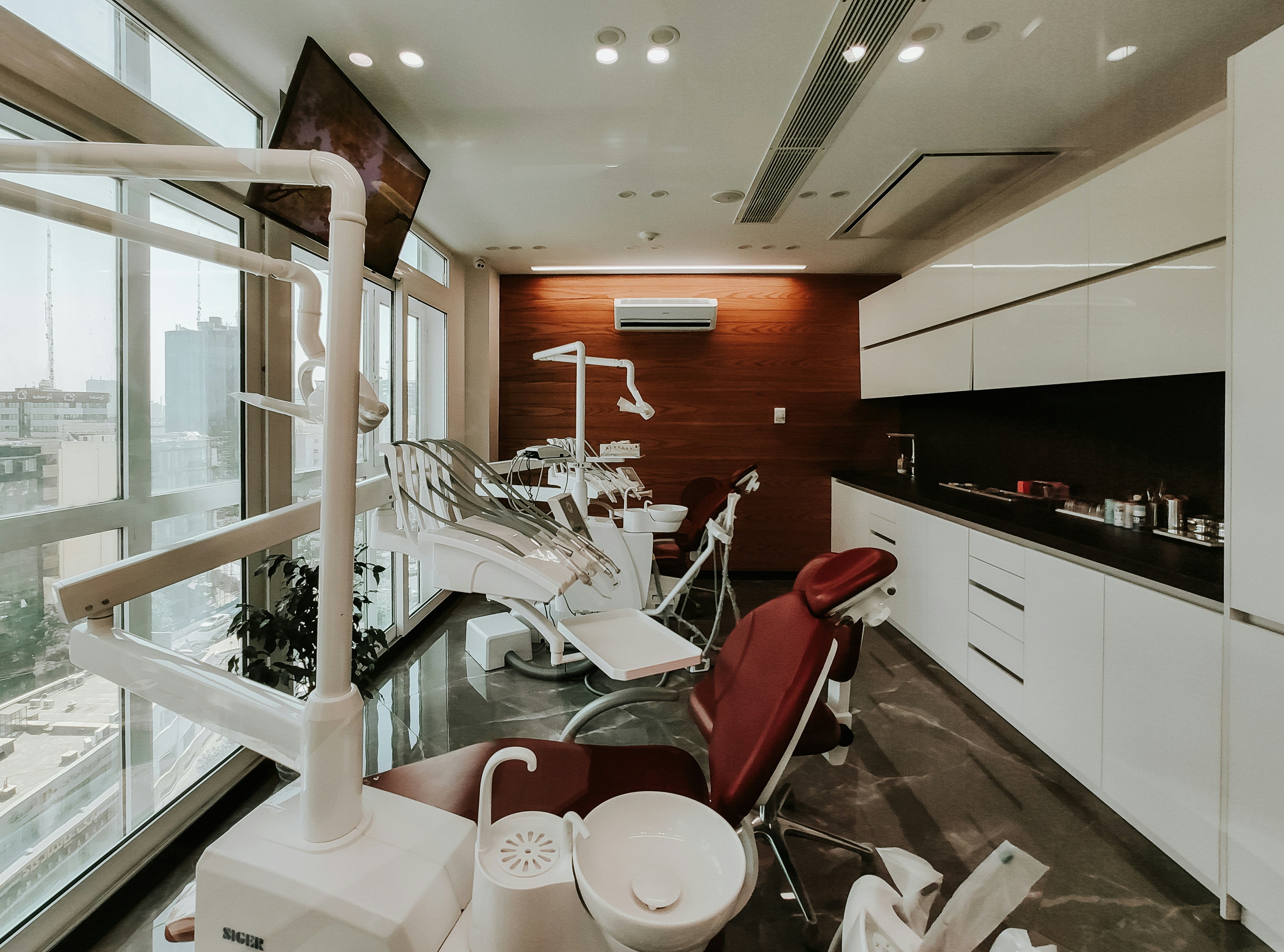
In today’s healthcare field, the need for cost solutions that maintain quality is more important than ever. Clinics and medical facilities often struggle with upgrading their equipment to meet changing needs while working within budgets. One effective solution that is gaining popularity is the use of refurbished equipment. This guide delves into the advantages and factors to consider, and the steps involved in upgrading your clinic with refurbished equipment.
Upgrading medical equipment improves patient care by enhancing accuracy and streamlining workflow efficiency. However, acquiring brand equipment can be financially challenging for clinics, particularly smaller practices or those in developing areas. Refurbished medical equipment offers a budget option that enables clinics to access top-notch tools at a fraction of the cost of new ones.
Understanding Refurbished Medical Equipment
Refurbished equipment refers to devices used previously but have undergone a refurbishment process to ensure they meet manufacturer standards and industry norms. This process typically involves inspection, testing, and replacement of components to restore the equipment to like-new condition. It’s essential to understand that refurbished equipment differs from second-hand equipment as it undergoes refurbishment to guarantee reliability and safety.
Cost Savings with Used Equipment
One reason to opt for used equipment is the substantial cost savings it provides. On average, secondhand equipment costs 30% to 70% less than brand versions, depending on the type and condition of the device. This financial advantage enables healthcare facilities to maximize their budgets and potentially acquire equipment or services that enhance patient care.
Varieties of Pre-Owned Medical Equipment
Pre-owned medical equipment covers a spectrum of categories, including imaging tools like MRI machines, ultrasound systems, monitoring devices such as ECG monitors, and surgical tools like endoscopes and anesthesia machines. Each category presents opportunities for facilities to enhance their capabilities without exceeding their budget.
Key Considerations in Selecting Pre-Owned Equipment
When choosing owned medical equipment, several factors warrant careful consideration:
Warranty and Support
Ensure the equipment includes a comprehensive warranty and access to technical assistance.
Manufacturer Reputation
Purchase equipment from known manufacturers recognized for their quality and dependability.
Regulatory Compliance
Confirm that the equipment adheres to standards established by organizations like the FDA or CE.
Quality Assurance and Safety Measures
Reputable suppliers adhere to strict refurbishment procedures to address risks associated with pre-owned equipment. The equipment undergoes testing and inspection to guarantee functionality and compliance with safety regulations.
Clinics can confidently incorporate reconditioned equipment into their practices without compromising patient care or safety.
Benefits Extend Beyond Cost Savings
In addition, to advantages refurbished medical equipment offers benefits:
Access to Advanced Technology
Clinics can now access cutting-edge features and technologies that may have been financially unattainable with equipment.
Environmental Sustainability
Opting for refurbished equipment promotes sustainability by reducing waste and supporting the reuse of valuable resources.
To sum up, opting for reconditioned devices offers an option for clinics seeking to upgrade their facilities economically. With a variety of choices from suppliers such as Cevi Med, clinics can procure top-notch equipment at reduced prices compared to new acquisitions. This not only aids in budget management but also guarantees that clinics can uphold or enhance their level of patient care without compromising on quality or safety. By embracing reconditioned equipment, clinics can address the challenges of healthcare economics while making decisions for the future.



Leave a Reply