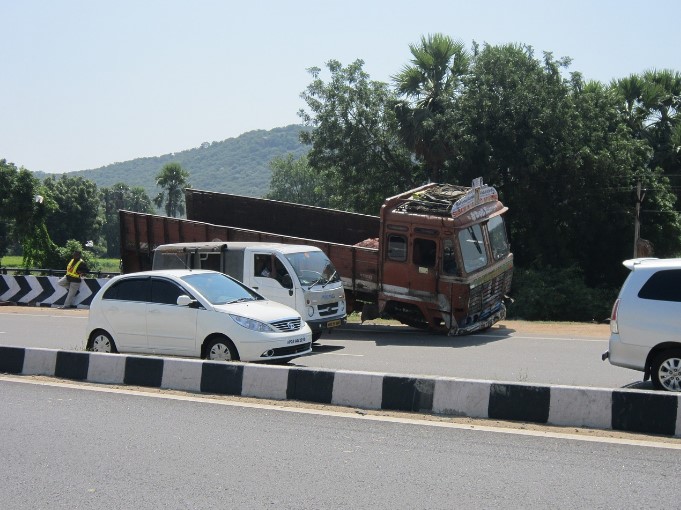
Experiencing a collision can be a disorienting and stressful event for any driver. In the blink of an eye, your routine drive can become a daunting situation filled with confusion and uncertainty. Knowing how to react in such moments is crucial for ensuring your safety and the safety of others on the road. This guide aims to provide clear steps to follow immediately after a collision, helping you navigate the aftermath effectively, minimize potential damages, and understand your rights and responsibilities as a driver. Whether you’re a seasoned driver or a new one, being prepared can make all the difference when facing an unexpected incident on the road.

Seek Legal Advice if Necessary
After a collision, it may be necessary to seek legal advice, especially if there are injuries, significant property damage, or disputes regarding fault. Consulting with a qualified attorney can provide clarity on your legal rights and obligations, as well as help you navigate the complexities of insurance claims. A Car Accident Attorney can also represent you in court if the situation requires it. It’s essential to choose a reputable and experienced attorney who specializes in car accidents to ensure the best possible outcome for your case. This allows you to focus on your rehabilitation while leaving legal problems to an expert.
Check for Injuries
The immediate aftermath of a collision is often chaotic, but it’s vital to prioritize safety and health. Begin by checking yourself for any injuries, and then assess others involved in the accident. Look for signs of serious injuries such as difficulty breathing, unconsciousness, or severe bleeding. If anyone is injured, do not attempt to move them unless there’s an imminent danger, such as a fire. Instead, call emergency services right away and provide them with the necessary information about the situation. It’s important to stay calm and reassure those around you while waiting for help. Some injuries may not be immediately apparent, so seeking medical attention as soon as possible is crucial, even if you feel fine.
Call the Authorities
Once you have ensured the safety of all parties involved and assessed any injuries, the next critical step is to call the authorities. Reporting the collision to the police is important for several reasons. Firstly, an official report can provide crucial documentation for insurance claims and legal proceedings. When you call, be prepared to provide details regarding the location of the accident, the number of vehicles involved, and any injuries sustained. The responding officers will evaluate the situation, document the scene, and may assign fault based on their findings. It’s advisable to obtain a copy of the police report once it’s available, as this document can be vital in establishing the facts of the incident later on. Additionally, if the accident has caused significant obstruction or poses a hazard to other road users, alerting emergency services will help ensure the situation is managed effectively.
Exchange Information
After the authorities have been notified and any immediate medical needs are addressed, the next step is to exchange information with the other parties involved in the collision. This exchange is essential for both insurance claims and resolving any disputes that may arise. Make sure to gather the following details from each driver: full names, contact information, insurance company names, policy numbers, and vehicle details such as make, model, and license plate numbers. Additionally, if there are any witnesses, collect their contact information as well. It’s wise to take photographs of the scene, including the vehicles involved and any visible damages, to document the incident thoroughly. Having accurate and comprehensive information will facilitate the claims process and help protect your rights as a driver.

Document the Scene
Thoroughly documenting the scene of the collision is crucial for both insurance claims and potential legal matters. Start by taking clear photographs from multiple angles, capturing the position of the vehicles, any visible damages, and the surrounding environment. Be sure to include street signs, traffic signals, and any skid marks or debris that could provide context to the incident. Additionally, make a note of the time, date, and weather conditions at the time of the collision, as these details may be relevant later. If any witnesses are present, write down their accounts of what happened, including their contact information. This comprehensive documentation will serve as a valuable resource when filing claims or if legal disputes arise, ensuring that you have a clear record of the events as they unfolded.
Navigating the aftermath of a collision can be overwhelming, but following these essential steps can help ensure that you are prepared to handle the situation effectively. From checking for injuries and calling the authorities to exchanging information and documenting the scene, each action plays a vital role in protecting your rights and facilitating any necessary claims. Remember that seeking legal advice may be crucial in more complicated situations. By staying calm and following these guidelines, you can focus on recovery and restore peace of mind in the wake of an unexpected incident on the road.



Leave a Reply