Firearm safety is of paramount importance for anyone handling guns, whether for recreational purposes, hunting, or personal protection. A solid understanding of safety principles can prevent accidents and ensure a safe environment for everyone involved. This blog aims to provide a comprehensive overview of fundamental safety practices that every firearm user should know and adhere to. By following these guidelines, both novice and experienced users can contribute to the safe and responsible use of firearms.

Depends On The Firearm
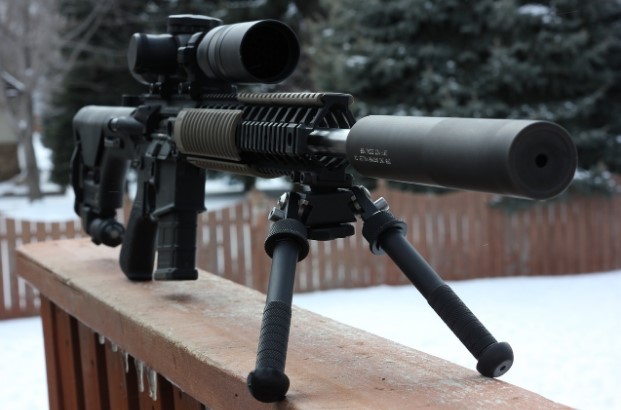
Different types of firearms may require specific safety considerations based on their design, operation, and intended use. For instance, handling a shotgun for hunting differs significantly from using a handgun for personal protection or a rifle for target shooting. The team behind https://xtremegunsandammo.com/rifles-for-sale/lwrc-rifles-for-sale/ says that an AR 15 rifle, for example, has a distinct set of safety measures compared to other rifles due to its semi-automatic action and modular design. Therefore, it’s crucial to familiarize yourself with the specific safety guidelines for each firearm you handle.
The Four Primary Rules of Gun Safety
Understanding and adhering to the four primary rules of gun safety is essential for preventing accidents and ensuring responsible handling of firearms. These foundational principles are crucial for all users, regardless of experience level:
- Treat Every Gun as if it is Loaded: Always assume that a firearm is loaded, even if you believe it has been cleared. This mindset prompts careful handling at all times.
- Never Point a Gun at Anything You Are Not Willing to Destroy: The muzzle should always be directed in a safe direction. This rule minimizes the risk of unintentional injury or damage if the firearm is discharged.
- Keep Your Finger Off the Trigger Until You Are Ready to Shoot: Only place your finger on the trigger when you have a clear aim at your target and are prepared to fire. This helps to prevent accidental discharges.
- Be Sure of Your Target and What is Beyond It: Before firing, ensure you correctly identify your target and understand what lies beyond it. This awareness helps to prevent unintended harm to people or property.
Safe Handling and Storage Practices
Proper handling and storage of firearms are vital components of firearm safety, ensuring that weapons are handled responsibly and kept secure when not in use. Safe handling starts with maintaining a firm grasp and steady control of the firearm at all times, minimizing the risk of accidental drops. Practice situational awareness, especially in environments with potential distractions, to ensure that the firearm is managed with heightened attention.
Equally important is the storage of firearms. Using robust lockable cases, safes, or cabinets designed for firearms ensures they are inaccessible to unauthorized users, particularly children. Ammunition should always be stored separately from firearms, reducing the risk of accidental loadings and firings. Utilizing trigger locks or cable locks adds an extra layer of security, preventing the weapon from being fired by someone lacking the key or combination.
Educate all household members about the presence of firearms and the importance of not touching or handling them. Installing an alarm system or motion sensors near storage areas can also provide alerts if unauthorized access is attempted. By committing to safe handling and secure storage habits, gun owners significantly reduce the likelihood of accidental injuries or misuse of their firearms, promoting a safer environment within their communities.
What to Do in the Case of a Misfire
Experiencing a misfire can be alarming, but knowing how to respond correctly is vital for ensuring safety. A misfire occurs when a round does not discharge from the firearm upon triggering. First, maintain calmness and adhere to safety protocols to avoid escalation of risk. Keep the firearm pointed in a safe direction, and wait for at least thirty seconds to account for a possible hang fire, where a delayed ignition might occur. This waiting period allows any late discharge to occur without causing harm.
Afterward, maintain muzzle awareness and safely remove the affected round if it does not discharge. Do not attempt to immediately open the action or look down the barrel, as this can lead to injury if a delayed fire occurs. Ensure your finger remains off the trigger throughout the process. Once safe to do so, examine the extracted round for any obvious defects or damage and dispose of it responsibly, taking precautionary measures to prevent accidental firing. It’s crucial to consult the firearm’s manual for specific instructions regarding misfires for that particular model. Regular maintenance of your firearm, including proper cleaning and inspection, can help prevent misfires and ensure reliable performance. Consistently using appropriate and undamaged ammunition is also essential to reduce the likelihood of similar incidents.
The Importance of Ongoing Training and Education
Ongoing training and education are critical components of responsible firearm ownership and use. As laws, technology, and societal contexts evolve, staying informed and updated is essential for ensuring continued safety and compliance. Participating in regular training sessions not only sharpens skills but also reinforces safe handling practices and emergency response protocols. Advanced courses can cover topics like defensive shooting techniques, legal considerations, and situational awareness improvements, providing users with a comprehensive understanding of firearm dynamics.
Additionally, engaging with educational programs helps debunk myths and misinformation, fostering a culture of safety and responsibility among users. Access to resources such as workshops, online courses, and community events enhances knowledge sharing and encourages dialogue on best practices. Encouraging a mindset of lifelong learning cultivates respect for firearms and acknowledges the serious responsibility their use entails.

Legal Considerations for Firearm Owners
Understanding the legal landscape surrounding firearm ownership is paramount for responsible gun owners. Laws vary significantly between different jurisdictions, covering aspects such as eligibility to purchase, possession limits, registration requirements, and carry permits. Firearm owners need to familiarize themselves with both federal and state laws that apply to their location, as non-compliance can lead to severe penalties.
In the United States, firearm laws are governed predominantly by the Gun Control Act of 1968 and the National Firearms Act, which regulate the sales, manufacturing, and transfer of firearms. These laws establish criteria for background checks, categorize firearms, and outline the necessary permits for particular types of weapons. State laws may impose additional restrictions, such as mandatory waiting periods, safety training requirements, and magazine capacity limits.
Furthermore, laws about carrying firearms, whether openly or concealed, are subject to specific licensing and differ widely. In some areas, “shall-issue” policies mandate permits to applicants meeting predefined criteria, whereas “may-issue” jurisdictions may grant permission based on discretion. Owners must understand the limitations and responsibilities tied to their permits, including restrictions on where firearms can be carried.
Firearm safety is a vital aspect of responsible gun ownership, encompassing a wide range of practices from basic handling rules to legal considerations. By consistently applying safety principles, such as treating every firearm as loaded and maintaining secure storage practices, gun owners can significantly reduce the risk of accidents and misuse. Ongoing training and education further bolster safety, ensuring users remain informed about best practices and evolving legal landscapes. Ultimately, the commitment to safety and responsibility not only protects individuals and their families but also fosters a culture of caution and respect within the broader community. Through diligent adherence to these guidelines, firearm users can enjoy their activities while upholding the highest standards of safety and accountability.




Leave a Reply