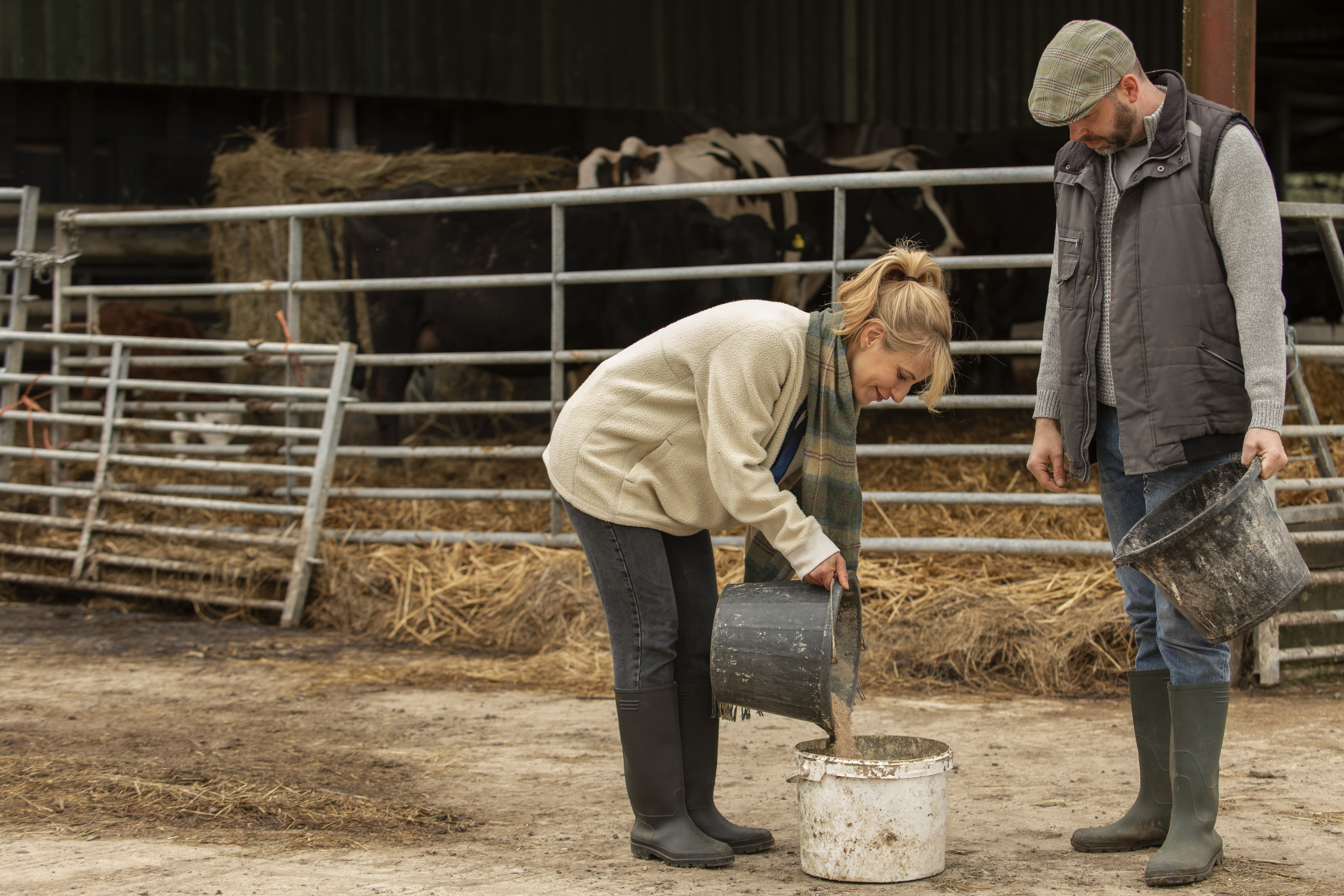
Working on a farm is difficult. A typical day’s work consists of lengthy hours of laborious effort in less-than-ideal conditions. Machines and other innovations have made some farm work more accessible, but contemporary technologies and practices often pose risks.
Farming is one of the most dangerous jobs in the United States. Heavy machinery, heights, toxic chemicals, and other hazards pose significant risks to farmworkers.
Agricultural injuries can result from a variety of causes. Investigating your legal options following a farm accident is critical to ensure you receive the maximum compensation you deserve. That said, let’s learn a few common types of farm accidents and how to pursue legal aid.

Let’s begin. Shall we?
1. Tractor Overturn Accidents
Workers might become pinned below them when tractors or other heavy machinery overturn. At an overturn mishap, tens of thousands of pounds fall to the side, placing the tractor operator and anybody nearby in danger of being crushed.
Crush injuries can result in fractured bones, severe bleeding, and organ damage. Victims may also develop compartment syndrome, a condition in which pressure builds up within damaged tissue. Moreover, muscles and nerves in the affected area may perish if not treated immediately. In such cases, after you’ve acquired medical aid, you may bring this up in court with the help of one of the reputed farm accident lawyers, for they will be able to assist you with the rightful compensation.
2. Falls
Many farm tasks demand workers to climb to high places. Falls from ladders, machinery, barns, and other structures can result in severe injury or death.
Aerial lifts are among the most dangerous pieces of agricultural equipment. The risk of falling from an elevated bucket or platform is heightened by the equipment’s instability and the frequency with which it malfunctions.
3. Amputations and Entanglements
The moving parts of big machinery might cause serious injury to the human body. Workers may become trapped in machines while in use or if the machine is not turned off during maintenance and repairs.
The arms, hands, and fingers are the body parts most vulnerable to being caught, crushed, or wounded by moving machinery. Severe lacerations, dislocations, and even traumatic amputations are possible outcomes.

4. Suffocation
Unloading a silo, grain bin, or grain elevator poses a high risk of asphyxia. As the grain drains, a powerful vacuum forms at the top. If workers are sucked down, they may quickly run out of air.
OSHA has introduced grain handling standards (including prohibitions on “walking down the grain” or having personnel at the top of the silo or bin tamp down the material for level unloading). Unfortunately, commercial farms frequently flout these rules, placing workers at risk of suffocation and other injuries.
5. Pestilential Exposure
Many commercial farms utilize a lot of pesticides and herbicides. Unfortunately, the administration of these poisons causes harm to more than just undesired creatures and vegetation.
Short-term exposure to pesticides and herbicides can irritate the skin, mucous membranes (eyes, nose, and mouth), and airway. Long-term exposure to modest amounts of pollutants, on the other hand, can put workers and those living near the farm at risk of developing cancer and other serious illnesses.
6. Failure to maintain farm equipment
Farm equipment should be inspected and maintained on a regular basis as part of standard occupational safety and health procedures. Failure to adopt an appropriate maintenance schedule can result in serious injury when equipment fails due to insufficient inspection, cleaning, maintenance, and repairs.
Employers are responsible for maintaining farming equipment. If you believe that a failure to maintain equipment caused your damage, you may be eligible to seek compensation from your employer.
7. Animal Injuries
Livestock can be unpredictable. Cows, horses, and even dogs can injure workers if they do not exercise enough caution.
Some of the most common animal-related injuries on farms are:
- Animal kicks: A horse or cow kick can cause severe brain injuries, thoracic injuries, or groin injuries.
- Trampling: Cattle, horses, goats, and pigs may charge if they feel threatened or afraid. Their hooves can destroy bones and injure organs.
- Dogs and pigs are the most likely agricultural animals that bite humans. In addition to injuries from the bite, these creatures’ lips contain hazardous pathogens. Serious infections might develop if the wound is not adequately cleaned.
Farm animals are known for being gentle. However, workers should not become complacent when dealing with pets and livestock, as mistakes might result in significant injury.
Can I sue for agricultural injuries?

Many states do not require farm owners to have workers’ compensation insurance for part-time and seasonal employees. In Texas, businesses of any industry are not required to carry workers’ compensation insurance.
Given these conditions, agricultural laborers are unlikely to be able to seek workers’ compensation if they are injured on the job. If someone’s negligence caused the farm disaster, they may be eligible to file one or more third-party claims.
- Employer liability: Farm owners and operators may be held accountable for negligence that causes an employee’s injury.
- Product liability: The maker of a defective product (for example, faulty farming equipment) may be held accountable for the harm caused by the product’s failure.
- Motorist liability: Third parties who use motor vehicles on the farm (such as a truck driver) may be held accountable if their negligence behind the wheel causes an accident.
Fault for agricultural injuries can be a complicated subject. If you have been injured in a farming accident, contact an attorney as quickly as possible.
In the end!
If any of the injuries listed above have afflicted you, or if you know someone wounded, workers’ compensation insurance may pay your expenditures. Although workers’ compensation is merely a claims process, a skilled attorney can guide you through the complexities of agricultural accident rules.




Leave a Reply