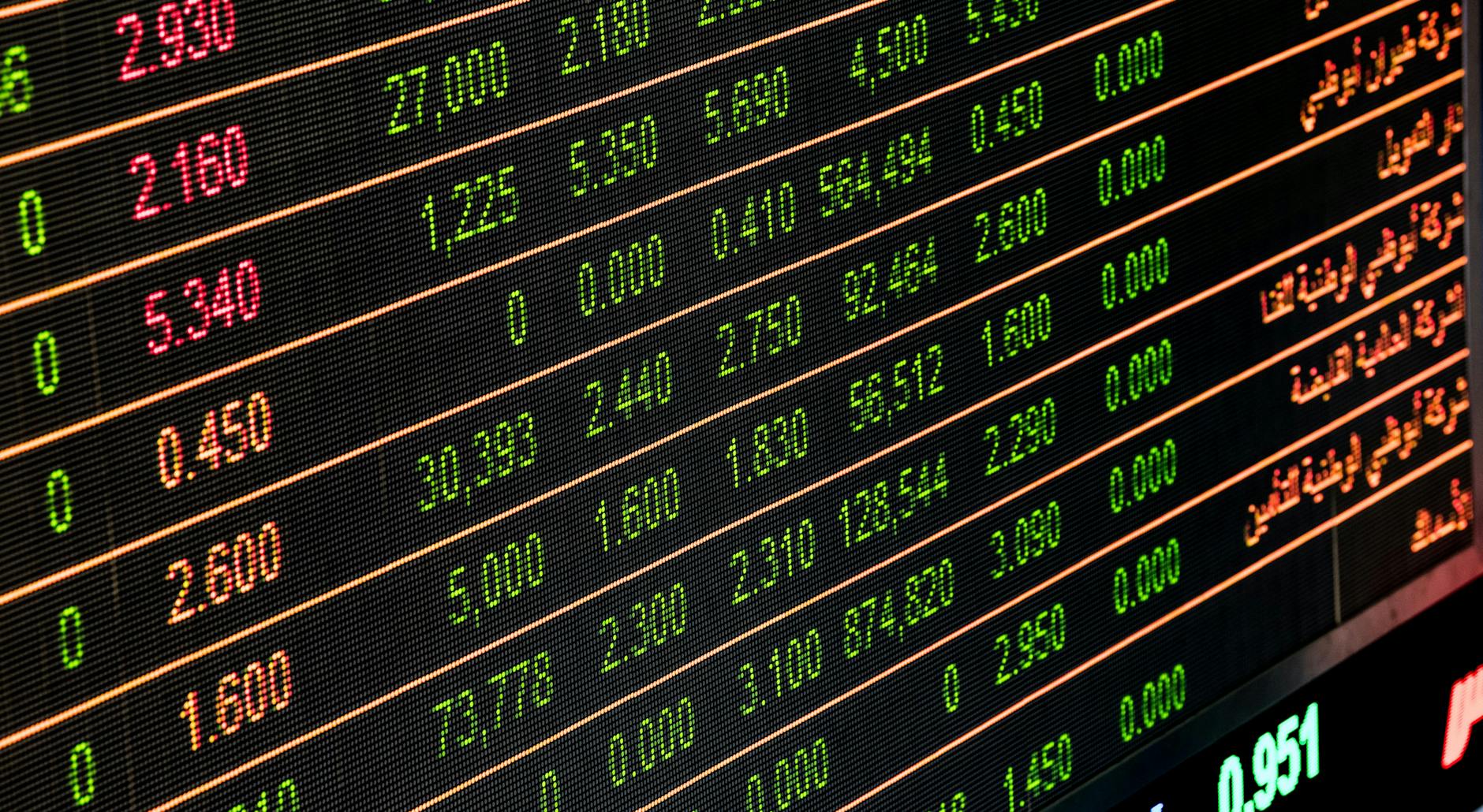
A nation’s economic might and clout on the international stage are strongly related to the value of its currency. The world’s most valuable currencies, such as the Kuwaiti Dinar (KWD), the Bahraini Dinar (BHD), and the Omani Rial (OMR), are supported by specific economic metrics and policies, rather than being issued by the world’s biggest economies. We may learn a lot about the economic systems and stability of these top-tier currencies by analyzing the variables that keep them there.
Productivity and Financial Security
The value of a currency is frequently supported by a robust Gross Domestic Product (GDP). The trust of investors and demand for the currency are both boosted by high GDP growth, which indicates a productive economy. The oil industry in Kuwait and Bahrain, for example, is a major contributor to the countries’ steady GDP development.
Strong fiscal policies help countries with high currency values keep their economies stable. These countries keep their currencies attractive on global markets by limiting their debt and keeping growth consistent.
Dependence on Exports and Natural Resources
The dependence on natural resources, especially oil and gas, is a major component of the world’s strongest currencies. Exports of these goods bring in a lot of money for countries like Oman and Kuwait. The consistent influx of foreign currency, supported by the huge worldwide demand for oil and gas, strengthens their currency.
A few defining features of resource-based economies are:
- A large portion of GDP comes from oil exports.
- Stockpiling of foreign currency reserves through trade surpluses.
- Pursuing diversification in order to lessen reliance on income from oil.
Even though these currencies get a boost from oil profits, governments frequently set up sovereign wealth funds to invest extra cash and protect their economies from the ups and downs of oil prices.
Policy on Inflation and Monetary Conditions
For a currency to be stable, inflation must be kept low and predictable. Currency depreciation is common in economies with high inflation, while the world’s strongest currencies are the result of strict measures taken by governments to rein in inflation. To keep prices stable, these countries’ central banks use instruments including interest rate adjustments and liquidity management.
As an example, in order to keep the exchange rate stable, the Kuwaiti Central Bank links the dinar to a weighted basket of currencies. This approach safeguards the currency against speculative attacks and uncertainties in the global economy.
Reserves for Foreign Exchange
The value of a currency is greatly influenced by its foreign exchange reserves. A large amount of foreign currency, gold, or other assets is typically stored by countries with strong currencies. When governments have large reserves, they can protect their currencies on the foreign currency market in the event of economic disasters.
Bahrain and Oman aggressively regulate their reserves to stabilize dinars and rials. With this plan in place, they can weather economic and geopolitical storms with ease and keep their currency values high.
Payments And Trade Surpluses
One of the most important economic indicators is the balance of payments (BOP), which shows whether a country has a surplus or deficit in its trade. The value of a country’s currency rises when its exports surpass its imports, a phenomenon known as a trade surplus.
The oil exports of Oman, Bahrain, and Kuwait cause them to perpetually record trade surpluses. To further preserve the value of their currency, some governments also implement policies to reduce imports of non-essential products.
Using Other Currencies as a Base
A number of the most valuable currencies in the world are linked to more powerful ones, like the dollar. In spite of the fact that global markets are always changing, this technique offers stability and lessens volatility.
As an illustration, consider:
- The value of the Bahraini Dinar is set in relation to the dollar.
- Additionally, the Omani Rial is pegged to the dollar at all times.
Investors and merchants may rest easy knowing that these currencies will maintain their value in international transactions thanks to these pegs. But strong reserves and good economic management are necessary to keep the peg and ward off devaluation pressures.
Governance and Political Stability
The stability of a country’s currency is highly impacted by its political climate. Currencies from nations with solid administrations and well-defined economic policies are in high demand because investors have faith in these nations.
Both Oman and Kuwait have earned a reputation for steady leadership and strategic economic development. Their governments place a premium on budgetary restraint and put money into things like schools and roads, encouraging long-term growth that is good for their currency.
Politically stable economies have the following traits:
- Minimum corruption and open economic policy.
- Responsible administration of public monies and natural resources.
- Diplomatic relations that promote trade and investment.
Difficulties in Preserving Robust Currencies
The world’s wealthiest nations do not escape special difficulties, however, despite their many advantages:
- These economies are very susceptible to swings in global oil prices since they are so dependent on these exports.
- The world’s shifting energy priorities could lead to a drop in demand for fossil fuels, which would cut into their main source of revenue.
- Diversifying the economy: Lessening reliance on oil frequently necessitates substantial investment and duration.
There is a fine balance between economic indices including natural resource revenue, political stability, trade surpluses, and inflation control that determine the strength of the highest currency in the world. Proactive policies guarantee economic resilience and investor trust, which sustains these currencies.
As they navigate the intricacies of global markets, politicians, investors, and traders can gain significant insights from understanding these dynamics. In addition to serving as examples of strong and stable currencies, these examples show how crucial strategic economic management is for a country’s continued strong financial standing on the international stage.




Leave a Reply