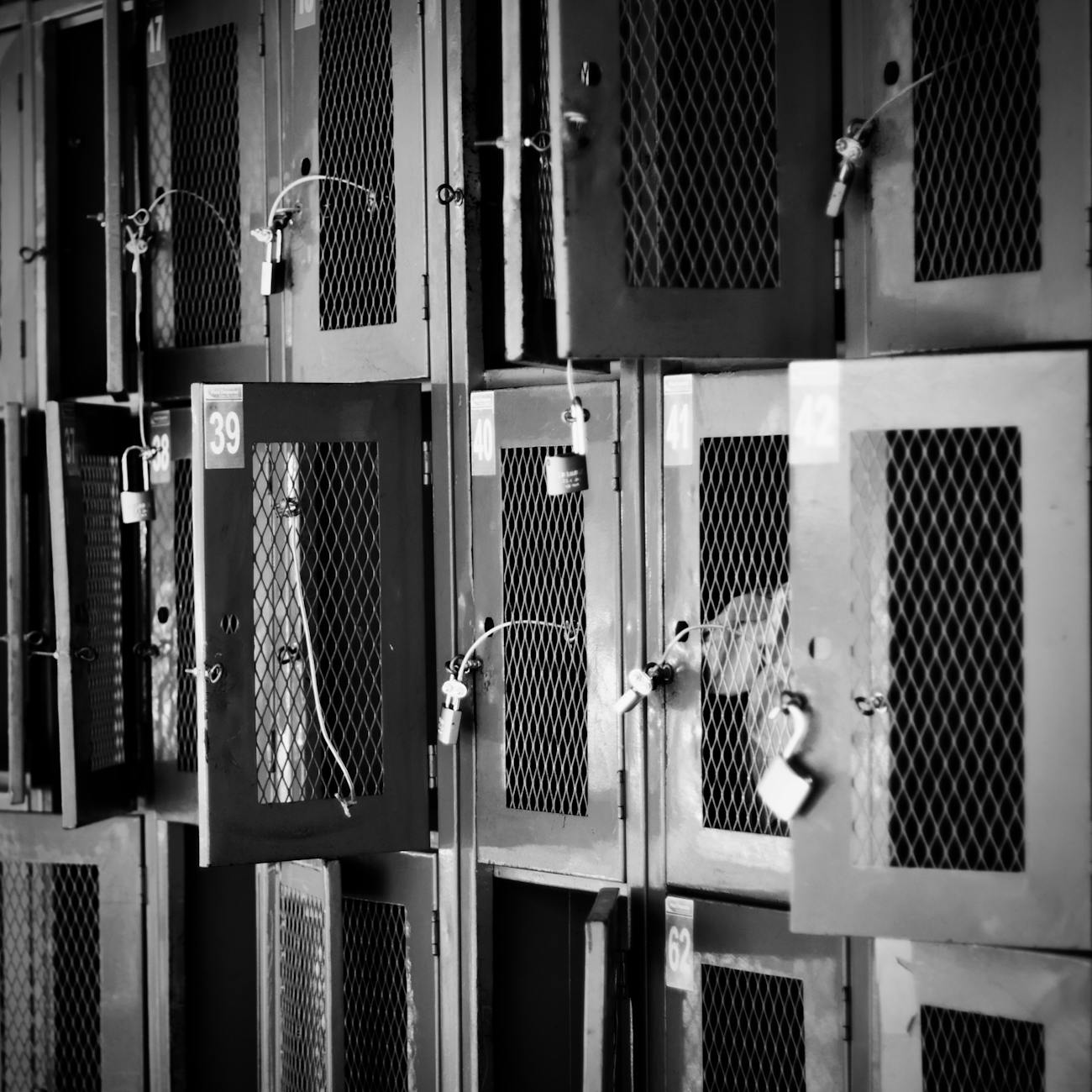
As the modern office continues to adapt to digital workflows and hybrid teams, securing information and equipment while maintaining flexibility has never been more important. Intelligent storage solutions now go far beyond basic shelving—they integrate cutting-edge technologies and adaptable systems to safeguard sensitive data, streamline operations, and promote workplace efficiency. Below is a look at how organizations can transform their environments with smart, secure storage strategies.
Smart Lockers: The Future of Secure Storage
Traditional storage units are being replaced by smart lockers, which offer high-tech features designed to boost security and accountability. Equipped with electronic locks, access codes, or even biometric verification, these lockers ensure that only authorized personnel can retrieve contents.
Many smart locker systems also maintain access logs and send real-time alerts when items are accessed. This audit trail adds an important layer of transparency, especially in settings that handle confidential documents or expensive equipment. For businesses with specific needs, locker configurations can include temperature-controlled compartments or package delivery units, enhancing their versatility across industries.
Mobile Storage: Adapting to Dynamic Workspaces
With the increasing demand for adaptable office layouts, mobile storage units have become essential. These wheeled systems can be easily moved to accommodate changing team structures, pop-up workstations, or collaborative projects.
Though portable, mobile storage does not sacrifice security. Many are equipped with locking mechanisms that keep items safe while in motion or stationed temporarily. This flexibility is ideal for fast-paced environments where space usage must evolve regularly without disrupting workflow or compromising the safety of essential materials. For businesses seeking versatile storage solutions, Makkah storage offers a range of options to meet diverse needs.
Digital Protection: Safeguarding Data in the Cloud
As offices transition to paperless operations, digital storage solutions have taken center stage in protecting sensitive information. Cloud-based platforms with encryption, secure file sharing, and automatic backup options allow teams to collaborate with confidence while maintaining tight access controls.
Advanced features such as user permission settings and activity tracking ensure that only authorized individuals can view or modify specific files. These systems not only prevent data breaches but also support regulatory compliance, making them a must-have for any modern organization.
Inventory Systems: Keeping Track of Office Assets
Keeping tabs on office supplies, equipment, and assigned resources is simpler with inventory management systems. These tools utilize technologies like RFID and barcode scanning to track asset movement in real-time.
With accurate, up-to-date records, businesses can reduce inventory loss, detect unauthorized use, and improve resource allocation. Knowing who is using what—and when—makes it easier to hold individuals accountable and quickly resolve discrepancies, thereby tightening internal controls and reducing waste.
Physical Security Enhancements: Adding Extra Layers of Protection
Beyond digital and smart storage, physical security upgrades remain an essential part of a secure office environment. Surveillance cameras, controlled-access entry points, and motion-detecting alarm systems help deter intrusions and protect employees and assets.
However, these systems are only effective if used correctly and consistently. Integrating them with storage and digital systems ensures a cohesive approach to security, where risks are minimized across every touchpoint in the office.
Employee Awareness: Building a Culture of Responsibility
Technology alone can’t guarantee safety—employee education plays a vital role. Security systems function best when staff are trained to use them properly and understand their importance. Teaching employees how to handle confidential items, access secure areas, and recognize potential security threats empowers them to take an active role in maintaining workplace integrity.
Incorporating security training into new hire orientations and offering ongoing refresher sessions fosters a culture of vigilance and shared responsibility, which can significantly reduce vulnerabilities.
System Integration: Unifying Your Security and Storage Strategy
To maximize the effectiveness of all these tools, businesses must ensure system integration. When smart lockers, digital storage, inventory systems, and physical security technologies are interconnected, organizations benefit from a streamlined, centralized approach to security and asset management.
This holistic strategy provides greater visibility into how resources are used, helps identify inefficiencies, and allows storage systems to scale with organizational growth. Customizable solutions that evolve with the business keep companies agile and future-ready.
Conclusion: Investing in Smart Storage Pays Off
Modern workplaces demand more than simple file cabinets or locked closets. They require intelligent storage solutions that combine technology, mobility, and human engagement to create a secure, efficient, and adaptable environment.
By investing in the right systems—smart lockers, mobile units, digital protections, asset tracking, and integrated security—organizations can protect what matters most and ensure their teams can work effectively, no matter how the office evolves. As threats and workplace models continue to shift, staying ahead with smart storage is not just a convenience—it’s a necessity.




Leave a Reply