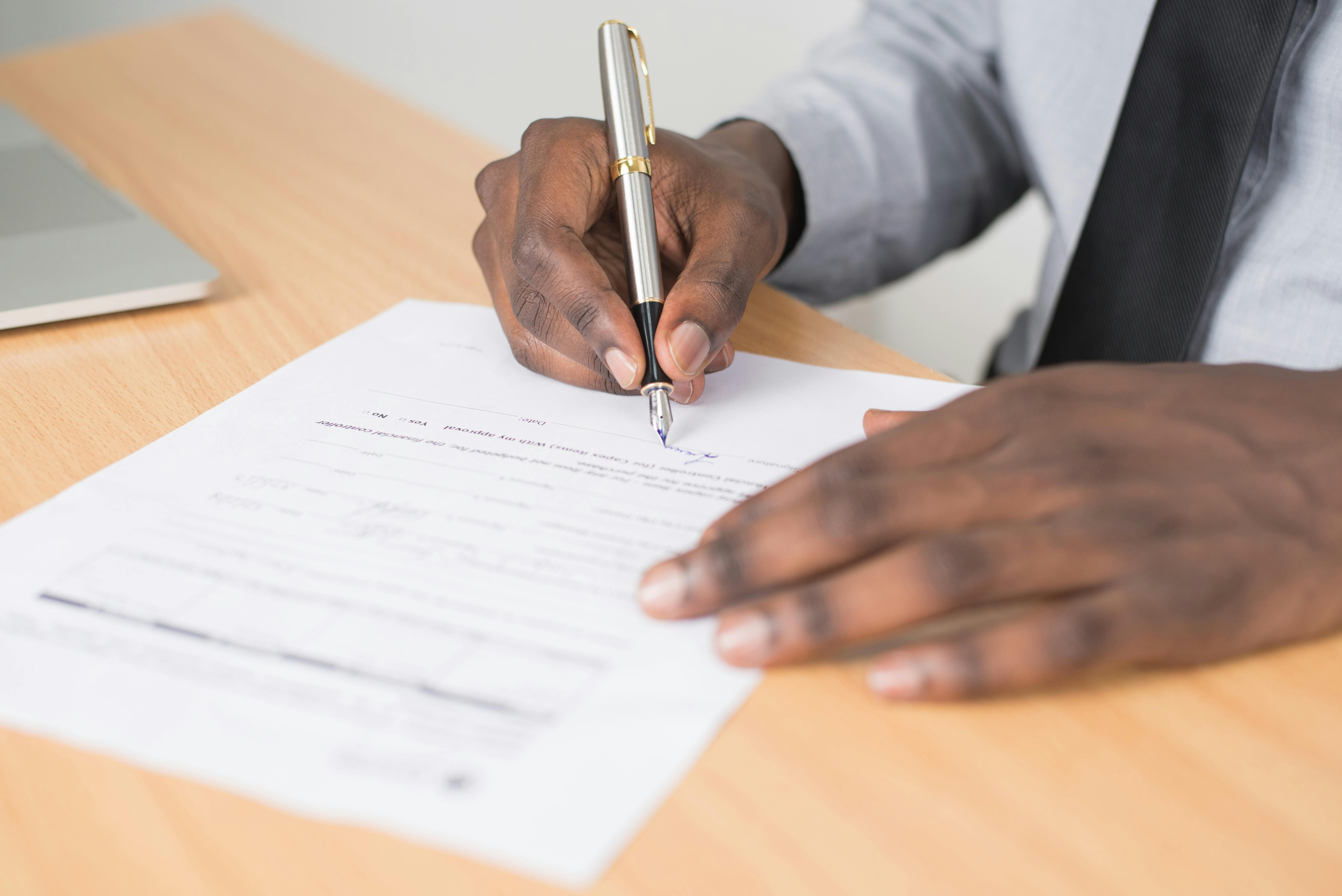
Conflicts and disputes are prevalent in both our professional and personal lives, with business partners, spouses, family, employees, customers, or neighbors, to name but a few. Conflicts should be resolved, of course, and the methods of resolution are almost countless. Hashing it out between people, sitting down and opening a dialogue, or, depending on the severity of the dispute, turning to other, more serious methods. If you have been cheated, been in an accident that was not your fault, feel you have been taken advantage of by a company, or are at the end of a rocky marriage, you may need to turn to a higher power for judgment, open a legal case, and go to court. This is just the only viable option sometimes, but what exactly does that look like, what happens when a dispute goes to court, and what are some useful things you should know in advance? These questions will hopefully be answered by the time you are done with this brief text.

Get an Attorney
Before you can settle things in court, you are going to need help, from a legal professional who understands your case, knows the law, and has done this countless times before. You need attorneys like these commercial litigation lawyers in Brisbane, professionals who understand your position, problem, industry, and so on, and who have years of experience working with similar cases. You vastly increase your chances of navigating these deep legal waters and obtaining a favorable outcome for yourself if you have excellent legal counsel at your side. You simply have no chance of going at this by yourself, and as the other side will have the very best lawyers working for them too, you just need veterans guiding you through the arduous and opaque legal processes.
Find the Right Court
Most people are often surprised to learn that their courthouses, local or otherwise, have numerous different courts inside, and the kind of case you have influences where it will be conducted and heard. If your case is related to federal regulations and laws, you will be heard in a federal court, and if your dispute is on a state level, it will be heard in a state court. Local courts can also have different names and are generally of limited, lower jurisdiction, handling petty offences or settling civil cases and disputes below a certain amount of money. Add to that matters like traffic infractions, family law, and other small claims that have their own separate courts, and you will quickly see that you do indeed need to find the right court.
Gather the Evidence
Throwing words at the other party will not amount to much, and you and your lawyer can talk until you are blue in the face, but without some evidence, there is a slim chance you will get very far, especially if you are the one who opened the case against someone or something. In the days, weeks, and perhaps months leading up to whatever your case is, gather all the evidence and facts you possibly can. If you have been in an accident and want to claim compensation for the damages you have suffered, you want to find witnesses who saw the accident, police reports of the scene, and medical reports from the doctor detailing your injuries, among other things, with the help of your attorney, of course. Or maybe you are in the middle of a messy divorce, in which case you want all the bills and fees you have been handling over the last months, evidence of abuse perhaps, or neglect, you get the idea. If you find evidence and facts that corroborate your statement and your claim, your chances are much better.

Stay Calm
Regardless of how emotionally charged the whole situation may be and how much you may feel injured or hurt and victimized, calling them names, getting loud and aggressive, and pointing fingers, none of that is going to help you or your case, as tempting as it may be. Try to remain calm, be objective, courteous, and controlled at all times. Attempt to view the dispute from the other party’s perspective, through their eyes. Not only will that help you stay calm and empathetic, but it will also help your case as you think of strategies and points they may use against you that you can anticipate and plan for.
Be Open to Dialogue
The optimal outcome, especially for family or other personal disputes, is a win-win situation, a compromise where everyone walks away satisfied. But to reach a compromise, you need to be open to dialogue with the other party and be willing to sit down at a table and hash out a deal. No resolution can ever be attained without talking, without communication, so at some point, if they reach out, extend a hand and consider a peace offering. Listen more, if not as much as, than you talk, and again, stay courteous and pleasant, and make sure you are talking to someone who actually has the authority to agree to any resolution. If one is reached, make sure it is in writing and that you and the other party have a copy.
Communicate With Your Attorney
Lawyers often seem to be floating in a world of their own, scribbling down notes, erupting in legal jargon you can not even hope to understand before relapsing into silence. Do not be intimidated by that; your lawyer is on your side and is fighting for you, knows what is happening with your case and how to present it, and knows what is going on in court. Any questions you may have about the legal process, about your options, the best course to take, anything, they will answer; you just need to ask them. Your lawyer can only do what you want them to, and they will never make a final decision without asking you first, so you must stay in clear communication with them at all times.
Settling disputes in court is sometimes necessary. If you have the right lawyer on your case and know what to do and not to do, your chances look much better.




Leave a Reply