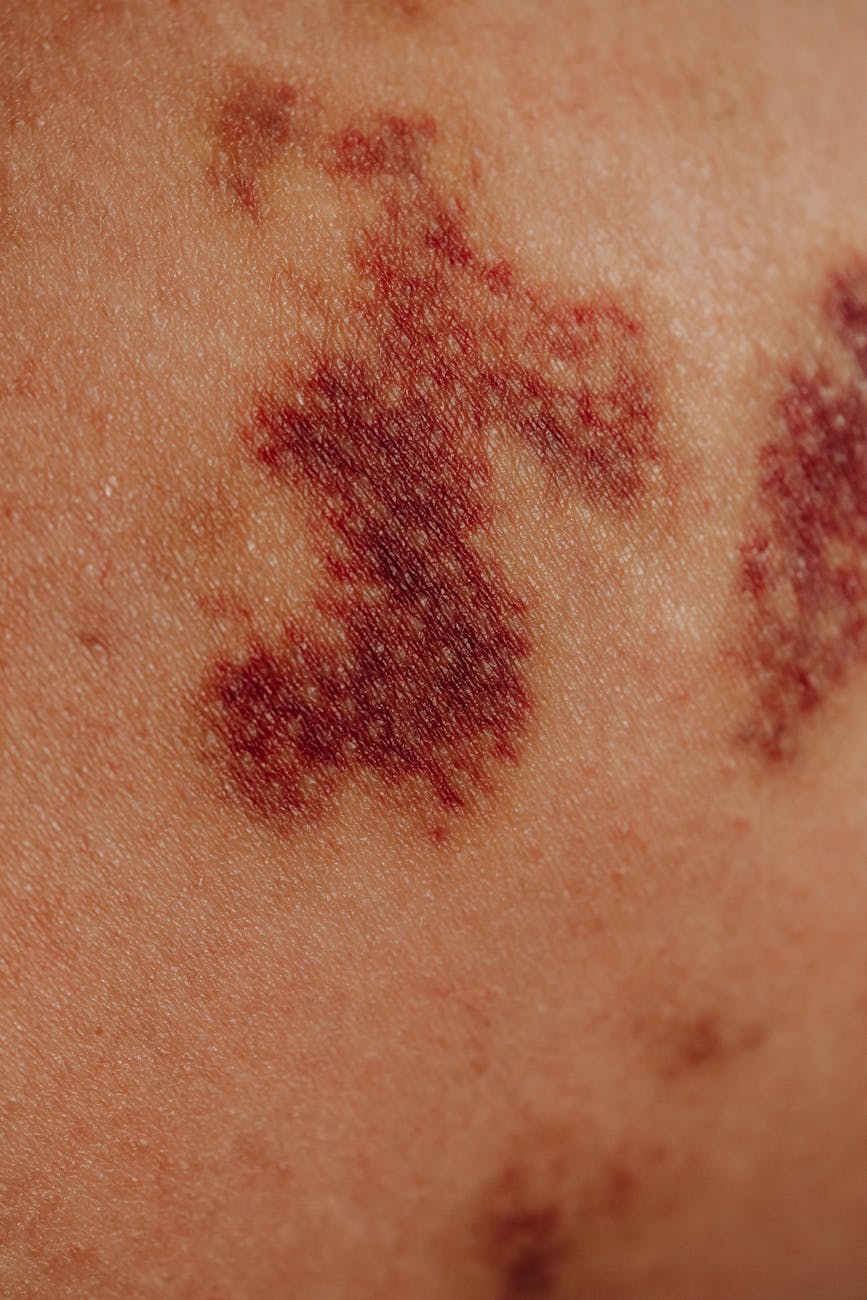
Skin cancer is one of the most common types of cancer worldwide, but early detection can significantly improve patient outcomes. The question is, could artificial intelligence (AI) be the new frontier in skin cancer screenings? After all, there’s an app for nearly everything—from tracking your sleep to ordering coffee. Could one of them also help save lives by identifying potentially dangerous skin conditions?
The idea sounds like something straight out of a sci-fi movie. A phone app, machine-learning algorithms, and a quick scan of your mole, and voilà, you’re told whether or not to seek medical attention. While we may not be entirely at that point yet, AI is making huge strides in helping dermatologists detect skin cancer earlier and more accurately than ever before.
This blog takes a closer look at the role AI plays in skin cancer detection, its exciting potential, and its current limitations. Whether you’re a tech aficionado or a healthcare professional looking to understand how innovation could transform dermatology, you’re in the right place.
Why Skin Cancer Screenings Are Critical
Here’s a sobering fact to start with: one in five Americans will develop skin cancer by age 70. Melanoma, the deadliest form of skin cancer, accounts for over 7,000 deaths in the U.S. annually. And globally? The numbers only get more disheartening.
The silver lining? Early skin cancer screenings can be lifesaving. When melanoma is detected at an early stage, the survival rate is an astounding 99%. This makes it painfully clear that timely diagnosis and treatment are non-negotiable.
Conventional skin cancer screenings usually require appointments with dermatologists, which can be expensive and time-consuming. And, sadly, not everyone has easy access to specialized care. This is where AI comes in, promising speed, accessibility, and convenience to make skin checks more widespread and effective.
How AI Works in Skin Cancer Detection
AI systems designed for skin cancer detection rely on deep learning, a branch of machine learning where algorithms mimic the human brain to analyze complex patterns.
Here’s the gist of how it works:
- Data Training: AI systems are trained on massive datasets of skin images, representing various skin types, tones, and conditions (malignant, benign, etc.).
- Pattern Recognition: Over time, the AI learns to identify features that suggest whether a lesion is harmless or worrisome.
- Accessibility via Apps: Some AI technologies are available through apps that allow users to take a photo of their moles or spots for initial analysis. Think of it as a digital “hey, maybe go see a doctor.”
Such systems can process thousands of images in seconds, something even the most skilled dermatologist couldn’t match.
The key advantage? AI shines in spotting subtle changes or red flags humans might overlook. For instance, it might detect asymmetry in a mole or changes in color too small for the naked eye.
Success Stories and Early Wins
AI in dermatology isn’t just a futuristic dream; it’s already yielding impressive results in skin cancer screenings.
- A 2019 study published in The Lancet Oncology put AI to the test by comparing its diagnostic capabilities against 58 international dermatologists. The result? The AI system matched or outperformed most of the doctors.
- Some applications are already FDA-approved. For example, DermaSensor is a handheld AI device aimed at primary care providers, helping them triage potential skin cancers before referral to a dermatologist.
While these success stories are promising, AI isn’t aiming to replace dermatologists. Instead, it’s becoming an additional layer of support, enhancing the decision-making process in skin cancer screenings and allowing medical professionals to focus their expertise where it’s needed most.
The Limitations of AI in Dermatology
Excited as we are about the potential of AI, let’s address the elephant in the room. AI in skin cancer detection is not without its challenges.
- Accuracy Concerns: Although AI shows promise, false positives and negatives remain a significant concern. Imagine the anxiety from a false positive or, worse, the missed opportunity stemming from a false negative.
- Bias: AI models can be biased depending on the data they’re trained on. For example, if the dataset lacks diversity in skin tones, the AI might struggle with accurate predictions for darker skin types.
- No Clinical Judgment: While AI can analyze and identify patterns, it can’t replace the nuanced judgment of a dermatologist. What may appear as concerning on an app could have environmental or personal context that a machine simply can’t understand.
The takeaway? AI is a helpful tool, but it’s not a standalone solution. Always follow up with a trained medical professional if something seems off.
What This Means for You
If you’re a health-tech enthusiast, this is an exciting time! The potential for AI in skin cancer screenings is vast, and innovation is moving faster than we could have imagined even a decade ago.
For healthcare professionals, AI could act as a game-changer by offering pre-screening tools that lighten workload, especially in areas where dermatologists are scarce. And startups? There’s room for growth in creating technology rooted in diverse datasets and patient-centric interfaces.
And for the rest of us? More accessible and convenient skin cancer screenings mean it’s easier to stay proactive about our health.
AI Is Aiding the Fight Against Skin Cancer
AI is undeniably shifting the narrative around skin cancer screenings. It’s making dermatology more accessible and is empowering both patients and medical professionals with cutting-edge tools. However, while AI can augment the way we detect skin cancer, human judgment remains irreplaceable.
The more tools we have at our disposal, the better we can face the challenge of skin cancer together. It’s a partnership between technology and humanity that promises incredible healthcare advancements.
Is it time to rethink your approach to skin health? After all, early detection could save lives.


Leave a Reply