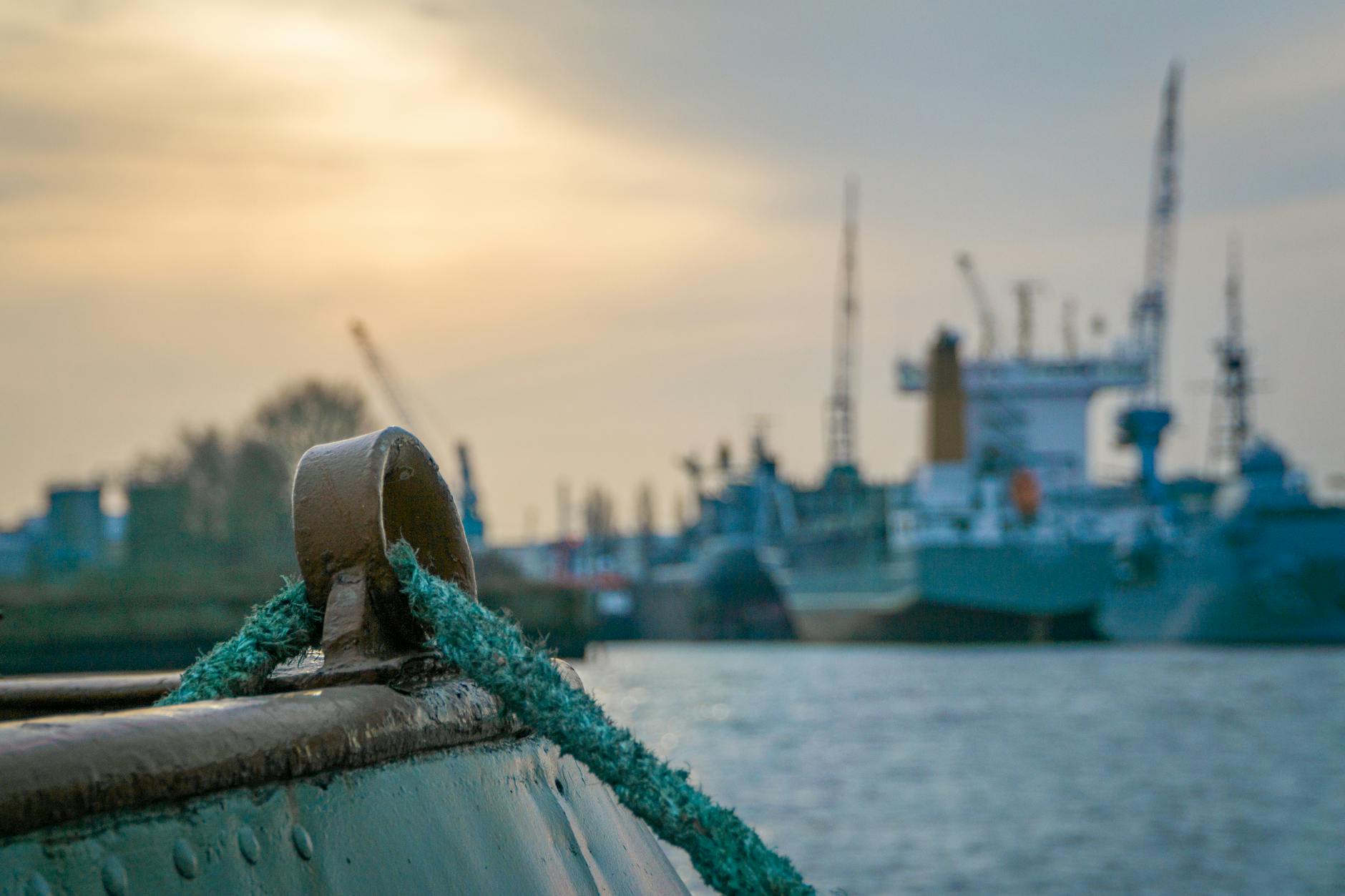
The open seas hold many opportunities and can also be dangerous. In the expanse of water, maritime operations demand a delicate mix of efficiency and safety. Yet even the best operations can be adversely impacted by a slight lapse in safety. Examining these potential pitfalls sheds light on strengthening operations at maritime enterprises and confidently handling unprepared situations.
Why Safety Matters
Safety is the cornerstone of successful maritime operations. It typically covers everything from equipment upkeep to crew training. Keeping everyone safe is crucial, and it is a money saver. When safety is considered a priority, operations become better. Avoiding common maritime safety violations can help enterprises protect themselves from various problems—legal, financial, regulatory, and reputational.
The Cost of Neglecting Safety Measures
When safety measures are neglected, they trigger several adverse implications for the company and the people. One slip can lead to a serious casualty. A single mistake can heavily impact crew, cargo, and vessels. For example, overlooking machine repair may cause machinery to fail, resulting in delays or even accidents. Correcting these potential issues immediately stops the domino effect and ensures the situation does not spiral out of control.
Failures of Equipment and How They Affect Safety
Equipment operation is a critical element in maritime operations. Everything from engines to navigation systems to safety gear must work perfectly. When there is a failure, operations completely halt, and lives are threatened. Regular inspections and timely repairs reduce risks and guarantee smooth and safe journeys. Proactive maintenance protects against unexpected failure.
Failure to Train Is Costly
Crew members are essential in maintaining safety standards. However, a lack of training can make them unprepared for emergencies. Training programs that encompass all aspects prepare the staff to tackle a crisis effectively. Safety drills and familiarization with safety protocols increase their confidence and preparedness, making them less likely to make mistakes in crucial moments.
Environmental Hazards and Dangers on the Sea
Natural elements in maritime environments present additional complexity. Operations can be disrupted due to weather conditions, marine life, and water currents. If you don’t consider these factors, accident prevention is compromised. Using sophisticated prediction tools and allowing real-time monitoring processes enable planning, reducing the probabilities of environmental damage and helping make operations safer.
The Legal and Financial Consequences
Lawsuits and fines are often the consequence of safety lapses. One of the key hallmarks of maritime operations is regulatory compliance. Non-compliance can lead to hefty fines, lawsuits, or even shutdown. Such incidents can also damage vessels and cargo, leading to considerable repair and replacement expenses. Preventing lapses protects you from this cost.
Erosion of Reputation and Trust
Even one unprecedented incident can ruin a maritime operation. Once lost, trust is hard to recover. Reliability and safety are key expectations from service providers and partners. Exhibiting safe practices builds trust and credibility. By repeatedly practicing safety, businesses solidify their reputation for safety, which usually leads to more opportunities.
Ways to Improve Maritime Safety
Proactive measures can maintain the safety of these operations at sea. Laying the groundwork with thorough safety policies is a great place to start. Conduct audits and assessments to recognize potential risks early. When crew members engage in safety discussions, it creates a collaborative safety culture. They share feedback and implement improvements, benefitting operations in the long run. Technology spending fortifies tracking and alerts, protecting an entity’s operations from the unexpected.
How Technology Aids Safety
Technology is an integral part of maritime safety today. Advanced radar systems, automated tracking, and real-time communication tools are among the innovations that enhance situational awareness. Utilizing these technologies enables decision-makers to respond promptly and quickly to impending threats. Implementing technology advancements will enhance safety mechanisms and safeguard maritime operations.
How to Build a Safety Culture
It takes a village to nurture a culture of safety. Stakeholders engaged in maritime operations must understand that leadership sets the tone for safety. They must ensure safety in every facet of their company’s operations. Encouraging open communication and acknowledging safety-related accomplishments transforms crew members into responsible guardians who take pride in safety. It also eliminates the perception that safety is a burden. This culture is the bedrock of effective, sustainable operations.
Conclusion
Safety always comes first in maritime missions. Anticipating all possible safety lapses beforehand promotes seamless and reliable voyages over the seas. Maintaining your equipment, having a trained crew, and integrating all technological mechanisms strengthen your defenses against unforeseen challenges. A safety culture facilitates successful maritime operations, helping companies navigate expansive waters safely.



Leave a Reply