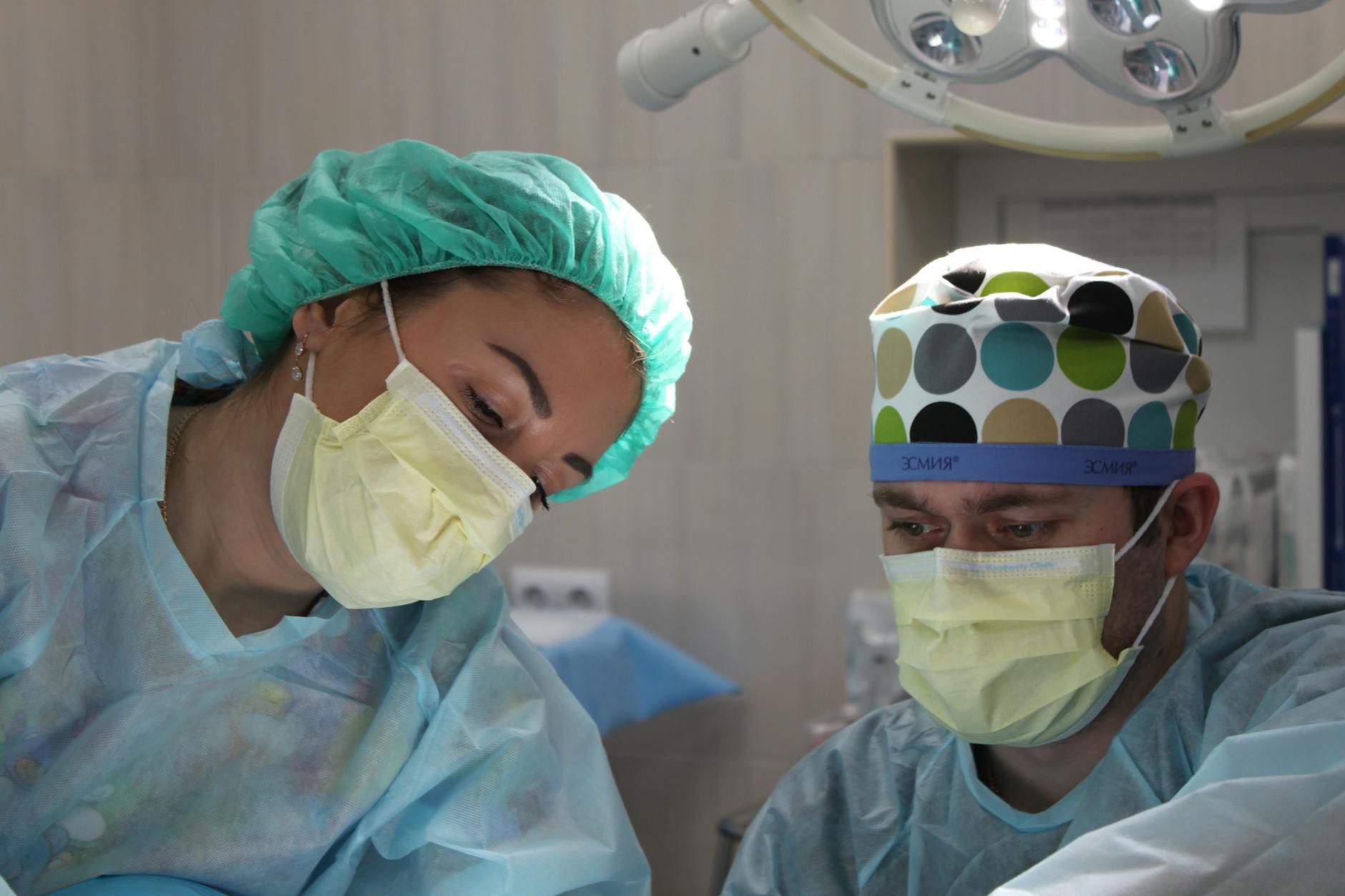
A conversation with the expert behind one of New York’s most specialized nose surgery centers
In a city like New York, where appearances often meet pressure, it’s easy to assume that rhinoplasty is about vanity. But walk into the Rhinoplasty Center of Long Island, and the story quickly shifts.
Located in Manhasset, this boutique surgical center focuses on noses, how they function, how they look, and how much they affect our self-image and daily life. At the center of it all is Dr. Hosch, a board-certified plastic surgeon who has made rhinoplasty on Long Island his life’s work.
We sat down with him to talk about why so many New Yorkers are choosing rhinoplasty today, what patients get wrong about the procedure, and why Long Island needed its own dedicated nose surgery center.
Why start a practice that focuses entirely on noses?
It started with a simple observation
Once I realized how often patients were coming to me with nose concerns, cosmetic or functional, I made the decision to go deep rather than wide. The nose is one of the most technically challenging and artistically demanding areas in plastic surgery. You can’t just dabble in it. You need repetition, experience, and infrastructure.
That’s why I opened the Rhinoplasty Center of Long Island. Everything here, from the consultation process to the surgical setup, is built specifically for nose surgery.
What kind of patients are coming in? Is it mostly about appearance?
That’s just part of the story
Yes, we see plenty of people who want to refine a bump or correct asymmetry. But we also see patients who’ve struggled for years with breathing issues, sometimes without realizing it. Others come in after trauma, or they had a rhinoplasty elsewhere that didn’t go as planned.
Rhinoplasty is about more than looks. It’s often about quality of life.
Why is rhinoplasty considered such a difficult procedure?
It’s where millimeters matter
The nose sits at the center of your face and has both a structural and an aesthetic role. Changing it means affecting symmetry, balance, even how you breathe. If you take too much cartilage or reshape it incorrectly, the consequences show up immediately and permanently.
It’s a procedure that demands precision, planning, and the ability to pivot during surgery based on what you find. It’s not plug-and-play.
So what makes the Rhinoplasty Center of Long Island different?
It’s a matter of focus and access
First, we don’t treat rhinoplasty as a side offering. It’s the core of our practice. That means every tool we use, every before-and-after photo, every conversation. It’s all tailored to this procedure.
Second, we have our own private, accredited operating room right on-site in Manhasset. That gives patients a much more personal, streamlined experience. They’re not shuffled through a big hospital system. They come here, get one-on-one attention, and go home the same day.
What do you say to people who are worried about looking “done”?
The best results don’t scream “surgery”
If someone walks out of here and people say, “Wow, your nose looks great,” I didn’t do my job right. They should be saying, “You look refreshed” or “Did you change your hair?” It should be subtle. It should fit your face, your ethnicity, your personality. That’s what natural looks like.
What about teenage patients? Are they too young for this kind of surgery?
Timing and maturity matter
We do see teenagers, especially those who have real difficulty with self-esteem. But we evaluate them very carefully, both physically and emotionally. For girls, we typically wait until around age 15–16; for boys, closer to 17.
The goal isn’t to change who they are. It’s to help them feel more comfortable in their own skin.
Can people combine cosmetic and functional goals in one procedure?
Absolutely, and they often do
Someone might come in wanting to fix a hump or refine their tip. During the evaluation, we might also find a deviated septum or collapsed valve that affects breathing. We can correct both in the same surgery.
The key is having a surgeon who understands both the aesthetic and the structural aspects of the nose. It’s not just about making it look better. It has to work better too.
What should someone expect during recovery?
The first week is the biggest hurdle
There’s swelling, congestion, and mild bruising, most of which resolves in 7 to 10 days. Most people can return to school or work after a week. But the nose continues to refine over the next several months. That’s normal.
By about three months, it’s usually about 80% settled. Final results can take up to a year.
Why should someone in Western New York or downstate consider Long Island for this?
Because it’s local care at a high level
You don’t need to go into Manhattan for top-tier rhinoplasty. We serve patients from all over Long Island, Queens, and even parts of upstate New York. The advantage here is specialization with a personal touch. You’re not just another number on the schedule.
It’s not about chasing trends or overhauling your face. It’s about subtle, thoughtful changes that help you feel like yourself again.
Learn More
The Rhinoplasty Center of Long Island offers in-person and virtual consultations for patients across New York. To explore options for cosmetic or functional rhinoplasty, visit their website to get started.




Leave a Reply