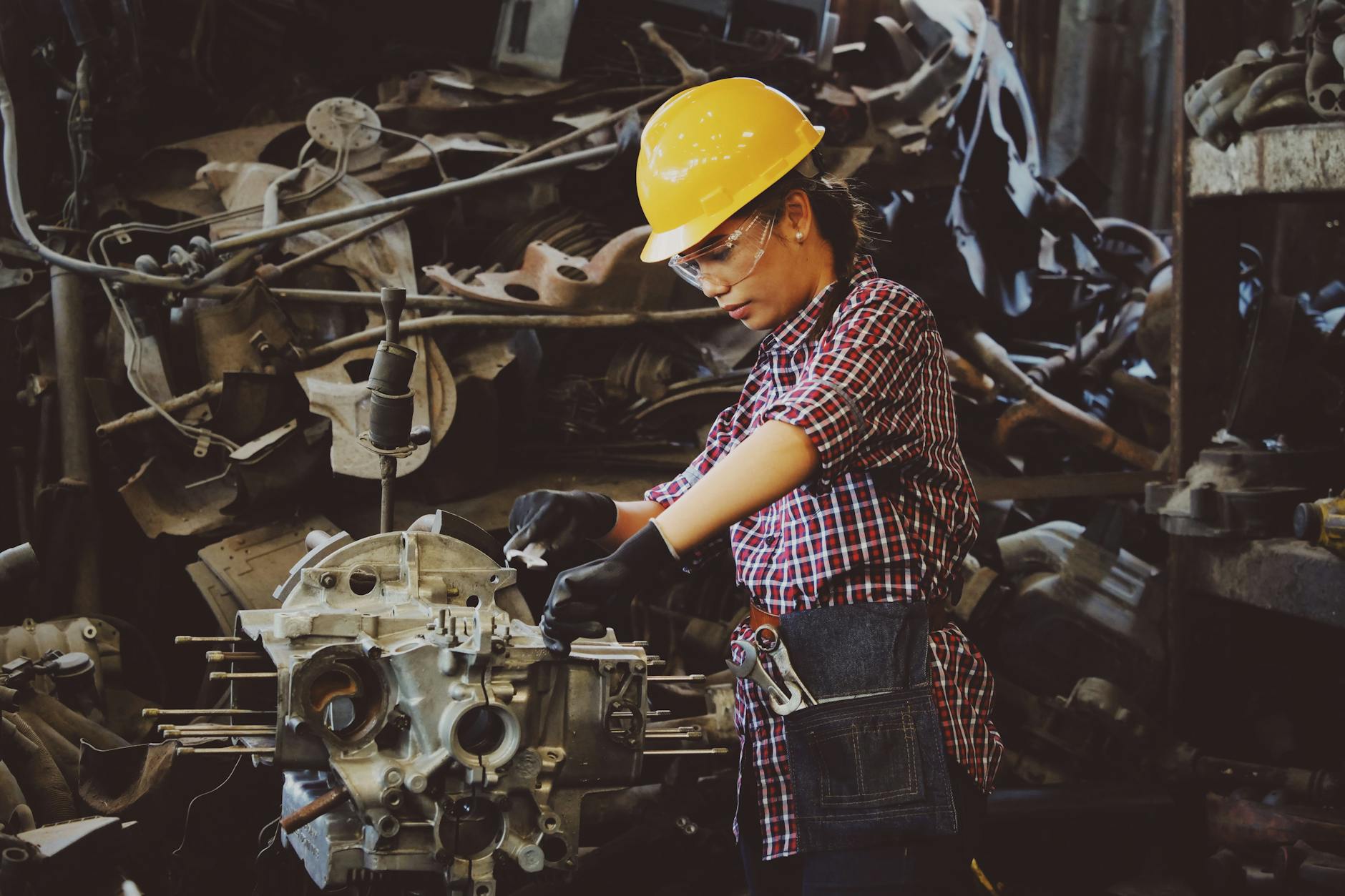
Most people think of factories and picture roaring conveyor belts, union jackets, and maybe a 1950s lunch pail. Not exactly a loyalty magnet for younger workers or anyone itching for a desk and a ping pong table. But lately, something odd is happening behind those corrugated walls and faded signs: smaller American manufacturers are pulling off loyalty plays the big corporate offices only dream about.
A New Kind Of Loyalty
It’s not about free pizza Fridays or a dusty plaque after thirty years on the line. The new loyalty machine is built on trust, honesty, and skills that actually mean something off the clock. For decades, manufacturing lost talent to service jobs that felt safer or cleaner, or just didn’t seem to chew people up quite as fast. But the tide’s shifting because small factory owners know the old ways don’t fly anymore.
They’re betting on people who want to learn a trade, not just punch in. Entry-level kids who get trained up on modern CNCs are sticking around because their next job could pay better thanks to what they’ve learned. It’s not sentimental; it’s practical. Workers get a reason to care about the machines they run and the bosses who pay for certifications and classes. It’s more handshake, less corporate nonsense. Turns out that sticks.
Paychecks Aren’t The Only Hook
Money matters, sure. But what’s pulling in the new loyal crowd isn’t always the paycheck. Some shops have figured out the magic mix: treat workers like they’re adults who can think for themselves and you’ll never be short on good hands.
Flexible shifts help, too. Younger machinists and welders want balance like everyone else. If you’re raising kids or taking night classes, a floor manager who’ll switch your hours without rolling their eyes is worth more than a couple extra bucks an hour.
The bigger surprise is what’s happening behind the scenes: owners who hated paperwork are finally giving up the books. They’re turning to outsourced manufacturing accounting to keep operations smooth, freeing up money for better pay and training instead of a bloated back office. It’s not glamorous work, but it’s the kind of detail that keeps people getting paid on time, which is about as loyal as it gets.
Generations In The Making
There’s another part to this story that doesn’t get enough ink: families. Not the corporate “we’re a family” nonsense—actual families. In a lot of shops across the Midwest and South, you’ll see a dad training his kid to run the same machines he learned on. Or cousins welding side by side. It’s old school, but it works. These places don’t have to sell loyalty because it’s literally built in.
That’s not to say they’re stuck in the past. The smarter family shops are investing in tech so the next generation doesn’t bolt for greener pastures. They know if the kid sees a dead-end job, he’ll vanish the second a warehouse gig or HVAC apprenticeship pops up. So they buy new lathes, upgrade ventilation, and drop coins for safety. Turns out, respect is a better retention tool than some forced pizza party.
The Union Twist
Unions used to be the guard dog for loyalty. They fought for decent pay, fair schedules, and benefits that didn’t vanish if you tweaked your back lifting castings. In some shops, they still do. But plenty of smaller outfits aren’t unionized, and they’re learning if they don’t protect workers, they’ll lose them fast.
The smart ones have cribbed a few pages from the old union playbook without the dues. Health insurance that doesn’t bankrupt you, paid training that means you don’t get fired for trying to level up, and vacation that doesn’t require a courtroom battle to use. Loyalty used to be forced. Now it’s earned.
Not Your Granddad’s Factory
Here’s the big thing: modern metal shops don’t look like your granddad’s. They’re cleaner. They’re quieter—sort of. And they’re desperate for people who’ll stick around longer than a season. So owners are getting creative. Some bring in high school kids through dual-enrollment programs. Others work with local trade schools to funnel new grads straight to the shop floor. When a kid learns a trade for free in high school, then lands a decent job at eighteen with a boss who doesn’t treat him like a cog, that’s how loyalty starts.
It helps that modern factories don’t want people trapped in one role forever. They’d rather train a welder to run a press brake and maybe supervise a shift someday. Growth isn’t a buzzword in these places—it’s survival. A bored operator is a gone operator. A curious one might become the next lead. In the background, the tech keeps creeping in, too: 3D printing, advanced robotics, digital twins. The whole modern metalworking scene looks more like a sci-fi lab than an episode of “How It’s Made.”
When Loyalty Becomes Leverage
So what happens when a shop nails it—when people stick around for decades, bring their kids in, cover for each other’s shifts, and don’t bolt for a quick dollar more at the big box warehouse? They get leverage. A factory that doesn’t churn through temps every month spends less training. Less hiring. Fewer mistakes that eat up margins. They can promise consistent orders and hit deadlines their bigger rivals miss. It’s not just warm fuzzies—it’s money in the bank.
There’s a hidden benefit, too. Loyal workers tend to be honest ones. If a machine’s about to eat itself, they’ll flag it. If something’s unsafe, they’ll say so. That kind of trust doesn’t show up on a spreadsheet, but you’ll notice when the competition is laying people off while your shop’s still humming.
A Better Future, If You Want It
This isn’t some manufacturing fairy tale. Plenty of shops still grind people down and wonder why they can’t keep a crew. But a growing number are proving that loyalty isn’t dead. It’s just got different bones now. Respect, fair pay, flexible shifts, a boss who listens, and a future that doesn’t look like a dead end—that’s enough to keep most people clocking in with a clean shirt and a little pride.
Factories aren’t the grim punchlines they used to be. For the workers who stick around, they’re becoming something solid again. And for the owners smart enough to see it, loyalty’s the new secret weapon that doesn’t come with a line item or a press release. Just a handshake that means you’ll see each other tomorrow.
Where We Stand
Old stereotypes die hard, but they’re dying all the same. Small and mid-sized factories are proving loyalty can exist without corporate sloganeering or marble lobbies. It’s built in the break room, on the shop floor, and in the quiet trust that tomorrow’s paycheck—and tomorrow’s future—are worth showing up for.


Leave a Reply