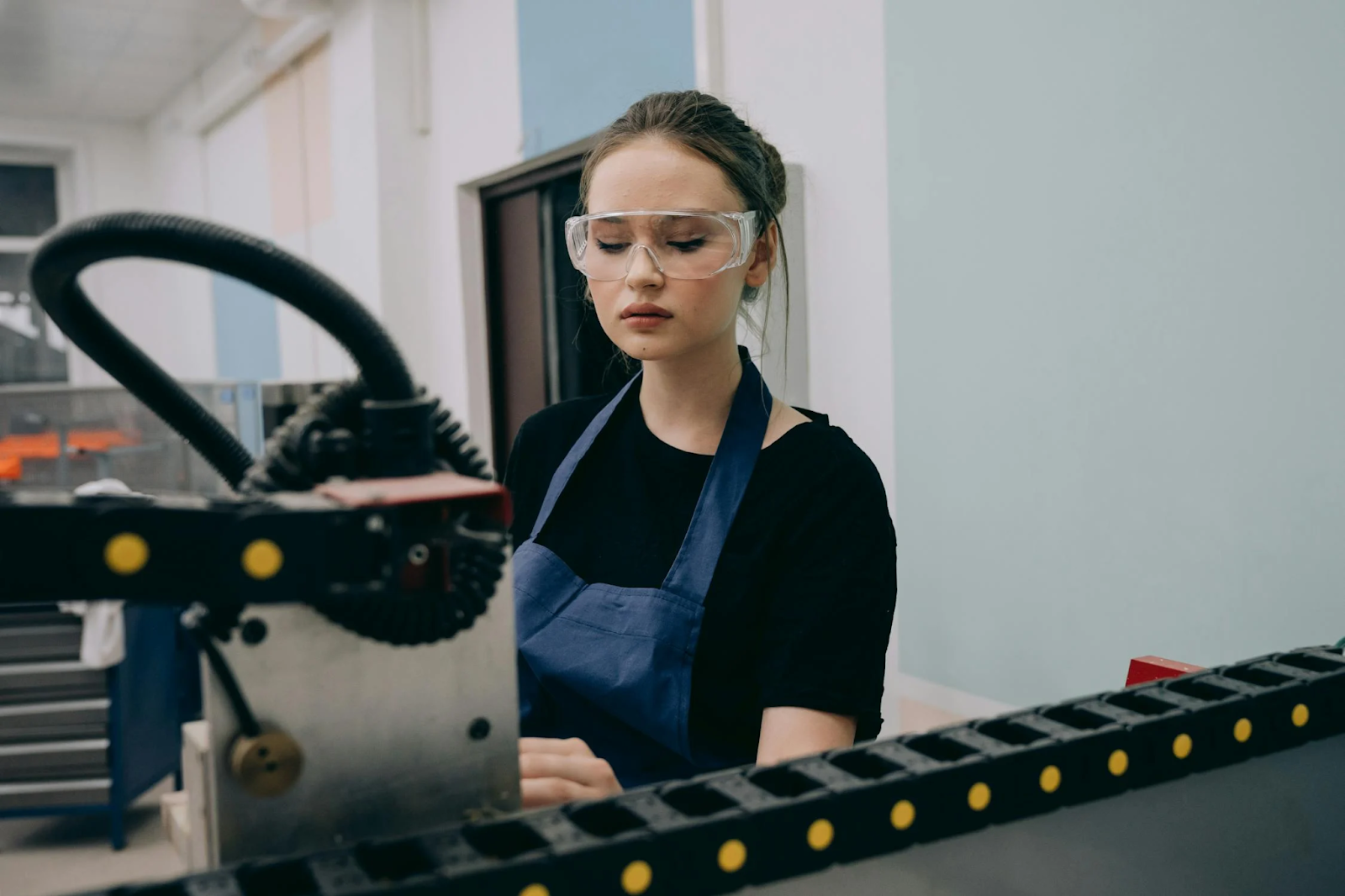
The field of metalworking has undergone significant transformations over the past few decades. What once relied heavily on manual labor and rudimentary tools has evolved into a highly sophisticated industry driven by technology, precision, and innovation. Metalworking plays a pivotal role in the production of components used in everything from vehicles to aerospace and even medical devices. As global demand for quality products increases, manufacturers are increasingly turning to new technologies and approaches that help streamline operations, reduce costs, and improve quality. This article explores the innovations shaping modern metalworking, including new processes, advanced equipment, and the collaboration between experts in the field.

Metal Manufacturing Solutions
Metalworking solutions today offer more flexibility and precision than ever before. Innovations such as advanced robotics, artificial intelligence, and additive manufacturing (3D printing) are reshaping the way metals are shaped and formed. These tools and technologies allow for greater customization, reduced waste, and improved efficiency in production. Experts like the ones at Elyria Spring & Stamping are helping companies stay ahead of these trends by integrating cutting-edge technologies into their operations. The result is a more versatile industry capable of meeting complex demands across various sectors. With an eye on the future, manufacturers are exploring new methods to push the boundaries of metalworking capabilities.
The Role of Robotics in Metalworking
Robots have become integral to modern metalworking, particularly in tasks that require repetitive precision. Automated systems reduce the need for human labor in areas that may involve dangerous environments, such as welding or handling hazardous materials. These robots are programmed to work with exceptional accuracy, making them invaluable for large-scale manufacturing. Precision is crucial, especially in industries like automotive or aerospace, where even the smallest mistake can result in failure. Over time, robots have evolved to be more adaptive, allowing manufacturers to handle more intricate tasks that were once impossible without human intervention.
The Impact of 3D Printing on Metal Fabrication
3D printing has made a remarkable impact on metalworking, especially in industries that require rapid prototyping and custom parts. While you’ll always need good parts manufacturers for certain projects and jobs, there’s so much more you can do yourself these days thanks to 3d printing. This technology uses digital models to create physical components layer by layer, which allows manufacturers to produce intricate designs with minimal material waste. It is particularly beneficial for producing complex geometries that traditional manufacturing methods cannot easily replicate. The flexibility of 3D printing also allows for faster development cycles and lower production costs, making it an attractive option for industries that need to stay competitive in a fast-moving market.
Advancements in Metal Alloy Technologies
Recent developments in metal alloy technology have led to the creation of materials with unique properties that were previously unattainable. These new alloys are stronger, lighter, and more resistant to corrosion, heat, and wear. This is particularly important in sectors such as aerospace, where weight reduction and durability are crucial for performance and safety. Advanced metal alloys can be used to create components that can withstand extreme conditions while maintaining their structural integrity. By combining traditional metalworking techniques with these new materials, manufacturers are opening up new possibilities for product designs and performance capabilities.
Automation in Quality Control and Testing

Quality control is a crucial aspect of any manufacturing process, and in modern metalworking, automation is helping to streamline this task. Automated systems use advanced sensors, cameras, and artificial intelligence to monitor production in real time. These systems are capable of detecting defects that might go unnoticed by the human eye, ensuring that each part meets stringent quality standards. By incorporating these technologies into the production line, manufacturers can reduce the likelihood of defects and improve the overall quality of their products. Automated testing systems can also provide valuable insights into the production process, helping companies identify areas for improvement and minimize waste.
Sustainable Practices in Metalworking
Sustainability is an increasingly important focus for the metalworking industry. As concerns about environmental impact grow, many manufacturers are seeking ways to reduce their carbon footprint and improve their energy efficiency. Innovations in recycling technologies, for example, allow scrap metal to be reused in the production process, reducing the need for new raw materials. Additionally, new processes such as green steelmaking, which uses renewable energy sources instead of coal, are helping reduce emissions from metal production. Metalworking companies are also exploring ways to optimize energy consumption in their facilities and reduce waste generated during production. These efforts not only benefit the environment but can also result in cost savings for businesses.
The Future of Metalworking
Looking ahead, the future of metalworking will likely see even more breakthroughs in automation, material science, and production techniques. As industries continue to demand more specialized products, manufacturers will need to adapt quickly to changing requirements. Technologies like artificial intelligence and machine learning will become more embedded in the design and production processes, helping companies predict trends, streamline operations, and increase efficiency. Collaboration between metalworking professionals and researchers will be crucial in driving these innovations forward.
Modern metalworking is at a crossroads, with technological innovations driving the industry forward at an unprecedented pace. As experts and innovators continue to push the boundaries of what is possible, the future of metalworking promises even more exciting advancements, opening new doors for industries and consumers alike.



Leave a Reply