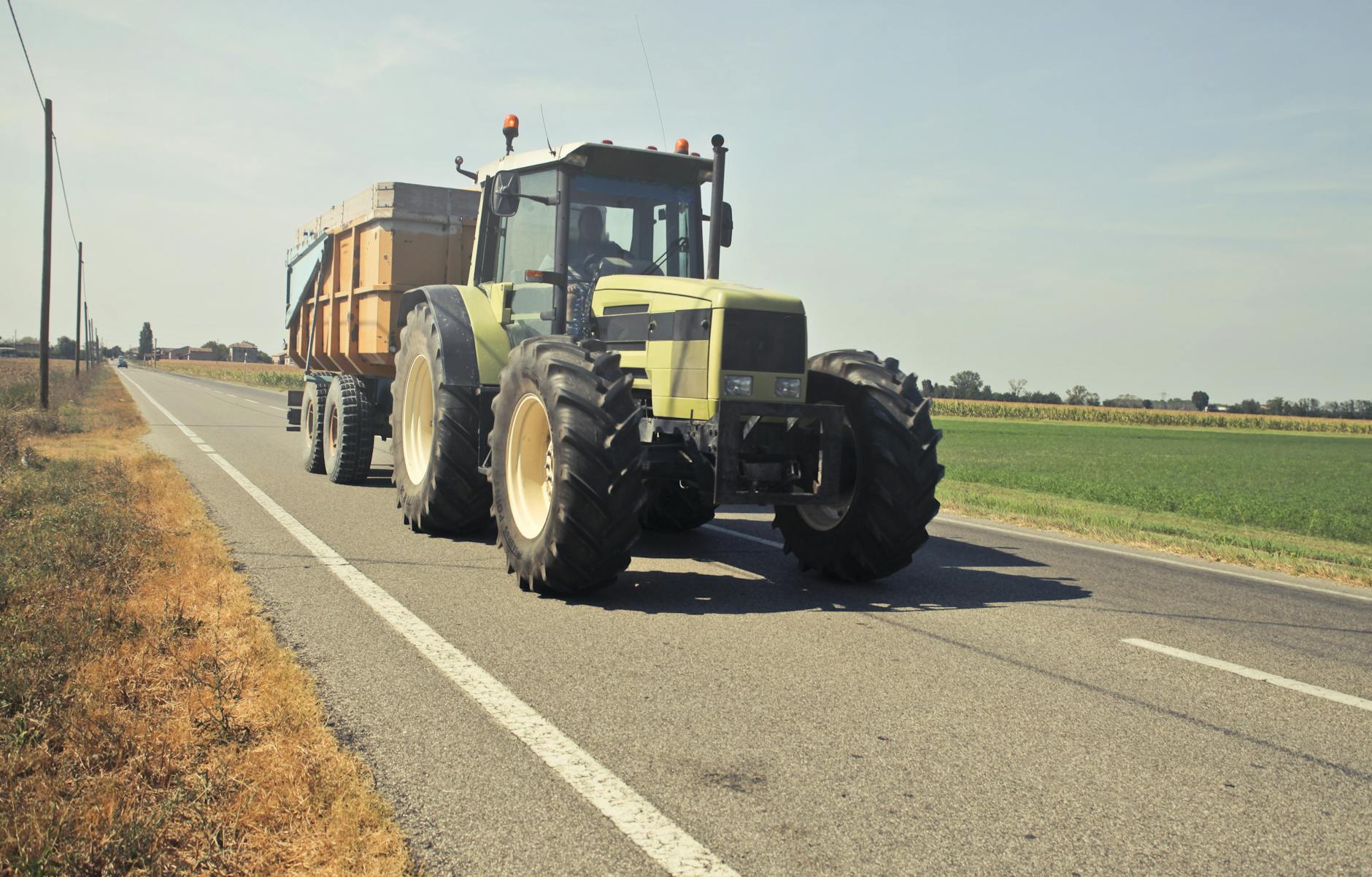
Farm equipment is a pricey investment that must be adequately protected when not in use. Adequate protection with proper storage, upkeep, and security reduces damage and theft cases, keeping equipment sturdy and readily available at all times for the subsequent task. Clever protection measures can aid farmers extend equipment longevity while cutting costs.
Historical Note:
Farm machinery security has been important since mechanical plowing started around the 18th century. Small-scale farmers used simple tarps and weather shelters to safeguard tools from weather conditions and pests. With larger-scale and higher-priced machinery, there has been further development of advanced storage buildings and security systems. New technologies like computer-monitored barns and security alarms have improved safety for farm machinery ever since. Now, utilizing traditional and modern methods offers effective protection suited to current farming conditions.
Common Risks for Farm Equipment
Farm equipment faces several risks when stored between uses, including exposure to harsh weather, rust, and theft. Moisture and temperature changes can cause mechanical problems and corrosion, while unsecured equipment is vulnerable to theft or vandalism. Many farmers use self storage in Maryland to protect their gear in secure, climate-controlled environments. These facilities offer added protection, ensuring equipment remains functional and safe between jobs.
Main risks include:
- Rust and corrosion due to moisture
- Damage from exposure to sun and extreme temperatures
- Theft or vandalism when equipment is left unsecured
Addressing these risks with proper storage and security reduces repair costs and downtime. Protecting equipment preserves its value and reliability, especially when using quality tractor parts australia for maintenance and repairs. Farmers who invest in secure storage solutions avoid costly replacements and maintain operational readiness. Choosing the right storage environment, like self storage in Maryland, balances convenience and protection, helping farm owners safeguard their valuable assets effectively.
Cleaning and Maintenance Tips
- Wash equipment thoroughly to remove dirt and debris
- Lubricate moving parts to prevent rust and wear
- Check fluids and top off as needed
- Inspect tires and replace if damaged
Observation:
Regular cleaning and care keep farm equipment in good working order. Removal of dirt avoids buildups that could damage components or jam systems. Lubrication of moving parts reduces friction and rust, extending lifespan. Visual checking of fluids like oil and coolant helps to forestall engine problems. Checking of tyres gives safety and efficiency. Regular actions keep investments protected and breakdowns to a minimum. Pre-storage simple maintenance prepares equipment for the new season. Farmers who take such actions save time and money by not making expensive repairs and by reducing downtime.
Choosing the Right Storage Space FAQ
Many farmers ask how to select the best storage space for their farm equipment. Here are clear answers to common questions.
What type of storage is best for farm equipment?
Covered, climate-controlled storage protects equipment from weather damage and temperature fluctuations, extending lifespan.
Can I store farm equipment outside?
Outdoor storage is possible but requires protective covers and regular maintenance to prevent rust and wear.
How do I find secure storage facilities?
Look for places with gated access, surveillance cameras, and good lighting to reduce theft risk.
Is self storage a good option for farm equipment?
Yes, self storage in Maryland and similar facilities offer secure, flexible spaces ideal for protecting equipment between uses.
Choosing proper storage helps keep equipment safe, functional, and ready for the next job.
Using Protective Covers and Tools Tips
Protective covers and tools are essential for safeguarding farm equipment. Follow these tips:
- Use waterproof, breathable covers to prevent moisture buildup
- Cover sharp edges or moving parts to avoid damage
- Use jack stands or blocks to relieve tire pressure during long storage
- Store equipment on pallets to avoid ground moisture
- Apply rust inhibitors on metal surfaces
- Inspect covers regularly for tears or wear
These simple steps help protect your farm equipment from environmental damage. Using the right covers and supports prevents rust, corrosion, and mechanical wear. Combining protective tools with proper storage maximizes equipment longevity and readiness for use.
Security Measures to Prevent Theft
One Nebraska farm business made his equipment even safer by purchasing a gated storage facility with 24/7 surveillance and gated entrance. The farm had experienced theft and vandalism before, which caused costly delays and repair bills. After stowing equipment in a secured storage unit that can be monitored, theft occurrences dropped to zero within one year. The operator also installed motion-sensing lighting and reinforced locking devices to make security even tighter.
100% reduction of theft cases with improved storage security
This situation shows how one can strengthen physical security by utilizing controlled access to protect investments in significant farm equipment. Security systems deter intruders and foster peace of mind. Gated access ensures that only qualified staff access storage units. Locked and illuminated sections reduce acts of vandalism. Safe farm operations reduce instances of loss as well as continue to sustain operations flow. Adoption of such smart measures ensures one’s investments as well as improves long-term productivity.
Final Thoughts on Safeguarding
Smart ways to safeguard farm equipment between uses include proper cleaning, secure storage, protective covers, and strong security measures. These strategies extend equipment life and prevent costly damage or theft. Prioritize these methods to keep your farm gear in top shape and ready for every job. Start implementing these practical safeguards today for a more secure and efficient farm operation.




Leave a Reply