Explainer videos are more than just a tool—they’re a dynamic way to share ideas, tell stories, and connect with audiences. Motion graphics, in particular, have revolutionized explainer video production by blending creativity with functionality. However, as viewer preferences evolve and technology advances, staying ahead of trends is crucial for every animated explainer video company and business leveraging these solutions.
Here’s a deep dive into the top motion graphics trends shaping explainer videos in 2025 and how they’re pushing boundaries.
1. Immersive 3D Animation
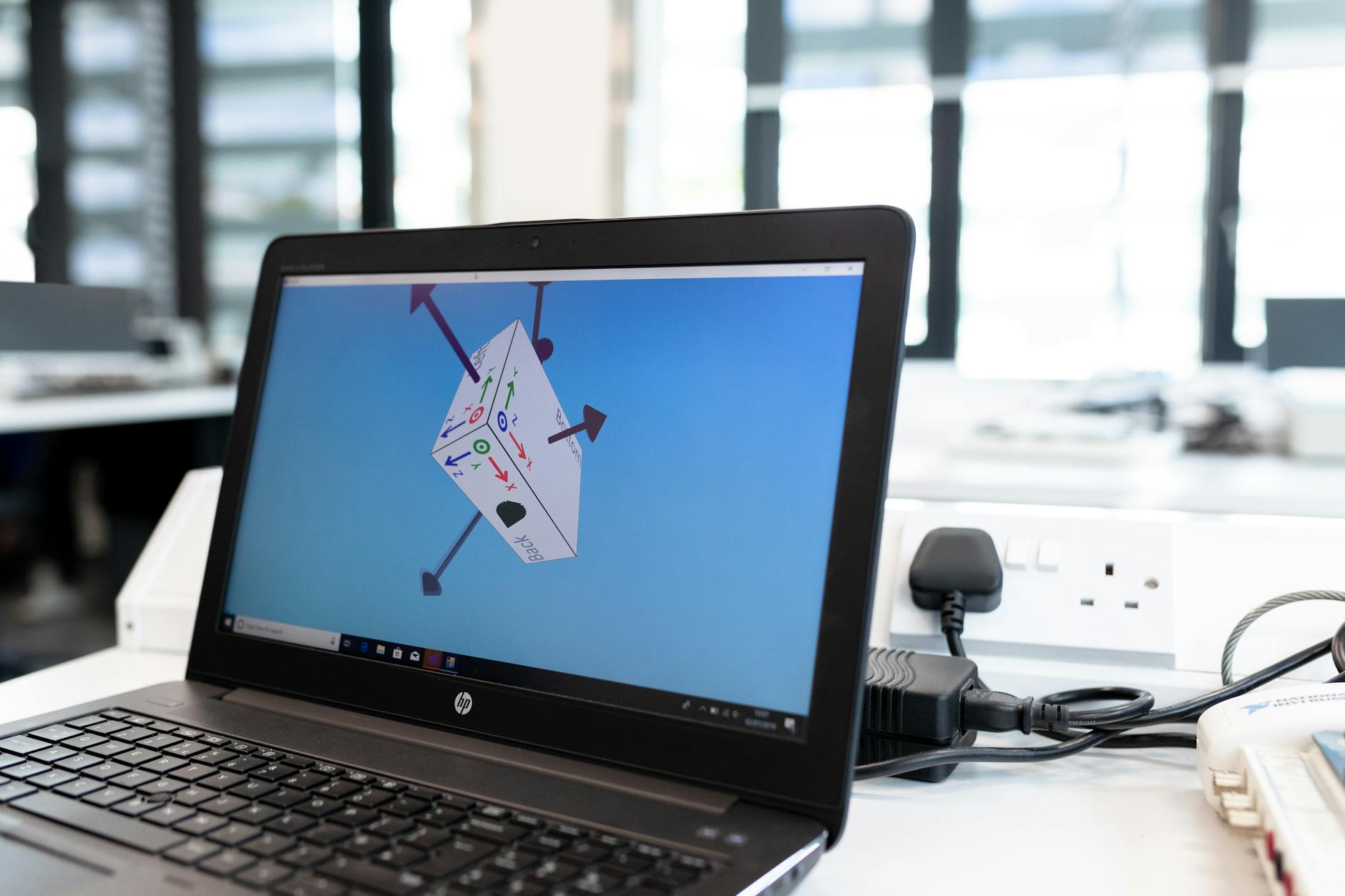
3D animation in motion graphics isn’t new, but its adoption in explainer videos is reaching new heights. Thanks to advancements in software, 3D elements are more lifelike, engaging, and accessible than ever before. Creating depth and realism with shadows, textures, and lighting enhances how brands showcase their ideas.
For instance, a company explaining the inner workings of a complex product can use 3D motion graphics to provide viewers with a 360-degree perspective. Such visuals not only captivate viewers but also allow them to better understand technical details.
If your business offers motion graphics services, prioritizing high-quality 3D animation could help you cater to the growing demand. It’s an investment that elevates storytelling and keeps viewers hooked.
2. Kinetic Typography for Bolder Messaging
Kinetic typography, or animated text, continues to dominate explainer videos in 2025. Brands are using text animations for impactful messaging while maintaining simplicity. These sequences grab attention quickly—an essential feature in modern videos, where engagement often depends on the first few seconds.
From highlighting statistics to creating emphasis on key phrases, the movement of words aligns rhythmically with audio to deliver a synchronized experience. A prime example is how businesses integrate kinetic typography to highlight benefits in product promotion videos.
For an animated explainer video company, offering this style gives clients the ability to balance compelling visuals with concise, attention-grabbing messaging.
3. AI-Powered Visual Effects
Artificial intelligence is transforming the way motion graphics are created. From automating repetitive design tasks to generating unique effects, AI has streamlined workflows for designers, enabling faster production times without sacrificing quality.
More impressively, AI opens the door for hyper-personalized explainer videos. Imagine videos where the viewer’s name seamlessly animates into the opening frame or the graphics adjust based on user preferences. This trend positions motion graphics services as not only creative but also highly tailored solutions.
By using AI tools, creators can generate visuals that align perfectly with brand identities while economizing resources—an advantage every modern business seeks.
4. Gradient and Neon Color Palettes
Colors play a massive role in keeping content engaging. Currently, gradient overlays and neon-inspired aesthetics are transforming explainer videos into more modern and vibrant experiences. No matter the industry, these palettes add a dash of energy and futuristic flair to visual storytelling.
For example, tech companies might use glowing, vibrant designs to convey innovation, while e-commerce brands can emphasize excitement through dynamic colors. This bold aesthetic works particularly well in explainer videos designed for younger audiences or those in industries focused on innovation.
By incorporating these palettes into your motion graphics services, you stay relevant with trends and help clients stand out in competitive markets.
5. Interactive Motion Graphics
Interactive videos are quickly becoming a favorite medium, with motion graphics leading the charge in making content interactive. Unlike traditional explainer videos, interactive content lets viewers control their experience by responding to prompts or clicking on options within the video itself.
Businesses promoting educational or training content benefit greatly from this format. For instance, an e-learning provider can use motion graphics to animate a step-by-step tutorial while enabling users to choose topics they’re interested in.
For an animated explainer video company, this trend presents a way to adopt cutting-edge technology that speaks directly to how audiences prefer consuming content now—engaged and in control.
6. Minimalistic Motion Graphics
While vibrant effects and interactive designs dominate the larger conversation, there’s an understated shift toward minimalistic motion graphics. By sticking to clean lines, muted tones, and purposeful animations, explainer videos feel more polished and professional.
Industries like finance, healthcare, and technology especially welcome this approach, as it emphasizes clarity over unnecessary visual noise. By focusing on simplicity, these videos ensure the message resonates without overwhelming the audience.
If you’re offering motion graphics services, balancing minimalism with creativity could allow you to cater to clients seeking no-frills but highly effective visuals.
7. Story-Driven Animation
One of the most enduring trends, storytelling remains integral to explainer videos. Businesses now demand motion graphics that weave comprehensive narratives around their services, products, or values.
What’s changing in 2025 is how these stories are told. Combining visuals, voiceovers, and synchronized motion graphics has evolved with better use of perspective-taking, relatability, and emotional appeal. For example, instead of just presenting how a product works, explainer videos now tell customer-centric stories about the challenges the product solves.
For companies specializing in explainer videos, mastering narrative-driven visuals through motion graphics should be a top priority. It’s a one-way ticket to resonate with audiences on an emotional level.
8. Seamless Transitions and Liquid Motion
Seamless transitions between scenes have become another hallmark in revamped explainer videos. Whether transitioning from one viewpoint to text or shifting between illustrations, smooth fluid movements ensure viewers stay immersed.
Liquid motion—where graphics simulate the flow of liquid—is also gaining popularity. It creates a dynamic, organic feel that’s not only visually satisfying but also unique compared to standard graphic animations. This trend is particularly effective for explaining intricate processes or showcasing creative businesses.
An animated explainer video company that adapts to such fluid designs gains an edge by producing videos that feel sophisticated and modern.
9. AR and VR Integration
Augmented reality (AR) and virtual reality (VR) are no longer confined to gaming or entertainment. Explainer videos now incorporate AR/VR elements, creating richer, more memorable experiences for viewers.
For example, a product demonstration video can allow users to see the product in their physical environment using AR elements. VR offers immersive environments where viewers feel as though they’re part of the story. Companies in industries like real estate and hospitality benefit heavily from these innovations.
Investing in AR and VR expertise puts your motion graphics services ahead in the race for immersive content solutions.
10. Eco-friendly Motion Graphic Themes
With increasing attention to sustainability, motion graphics are reflecting environmentally conscious values. Explainer videos often use earthy tones, nature-inspired designs, and hand-drawn animations to align brands with eco-friendly efforts.
This trend resonates deeply with audiences who prefer supporting companies committed to sustainability. For example, an animated explainer video introducing a green energy product might feature leafy textures interwoven with clean typography.
By offering these styles within your motion graphics services, you can appeal to businesses looking to highlight their commitment to the environment.
How Businesses Can Leverage These Trends
To benefit from these trends, brands and creators alike must focus on the intersection of creativity and technical skill. Here are some actionable tips:
- Collaborate with experts: If you’re producing explainer videos, partnering with an animated explainer video company can help bring high-tech ideas to life.
- Adapt quickly: Trends evolve fast. Be ready to learn and invest in tools, software, and techniques for producing futuristic motion graphics.
- Understand your audience: Whether you’re using neon gradients or AR, ensure that visual styles align with your brand goals and customer preferences.
The motion graphics landscape is dynamic, and explainer videos will continue to lead the charge in making complex ideas easy to understand. By incorporating these cutting-edge trends, businesses can produce content that’s not just visually stunning but also deeply impactful.




Leave a Reply