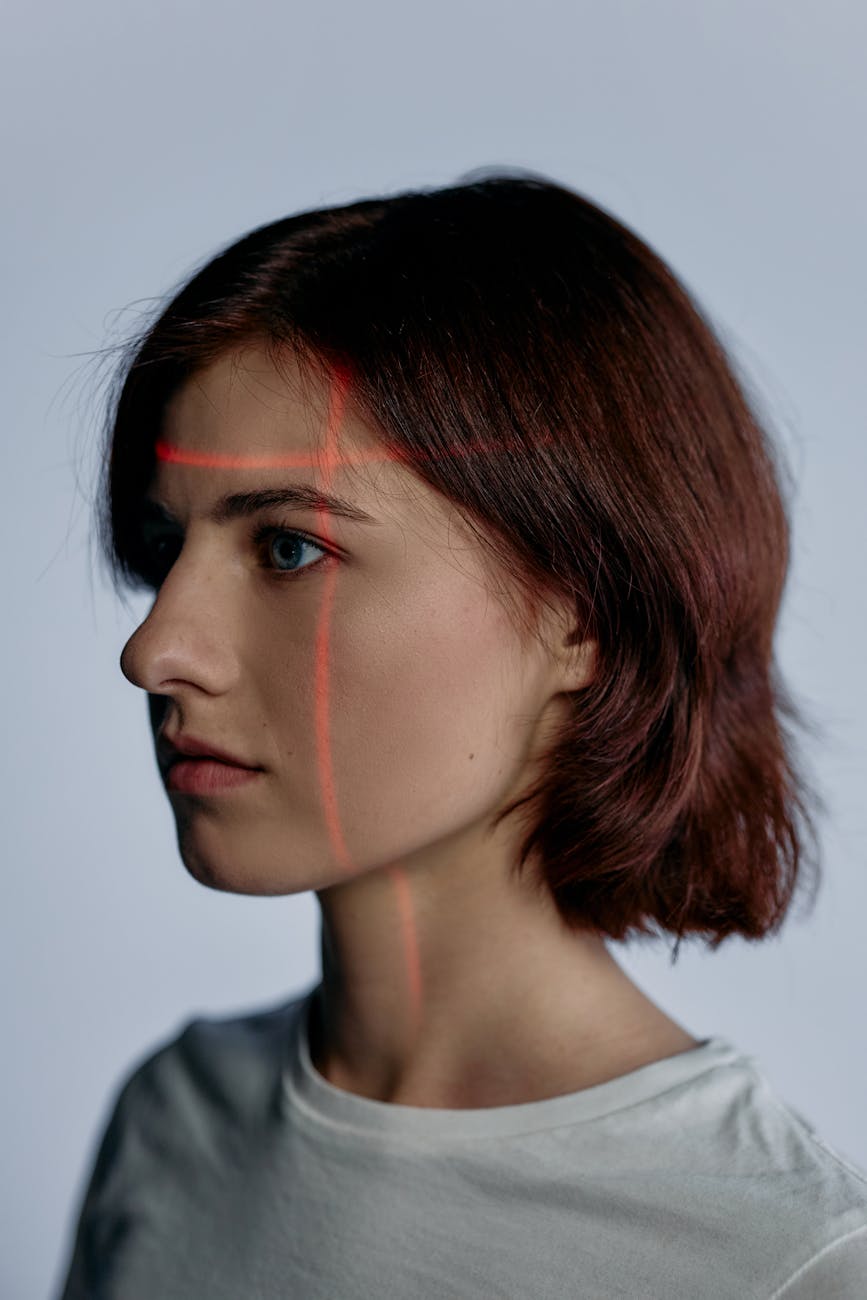
You’re tired of fumbling around for your glasses every morning or dealing with contact lenses that make your eyes feel like sandpaper by the end of the day. When you’re thinking about getting best laser eye surgery in Melbourne, it’s not just about picking the cheapest option or going with the flashiest advertising. Your eyesight is literally irreplaceable, and honestly, making the wrong choice here could affect you for the rest of your life. The good news? Melbourne has some seriously impressive laser eye surgery options, but you need to know what to look for to separate the genuinely excellent clinics from the ones that are just good at marketing.
Understanding Different Types of Laser Eye Surgery
Not all laser eye surgery is created equal, and this is where things get pretty interesting from a technical standpoint. You’ve probably heard of LASIK, but that’s just one piece of the puzzle. There’s also LASEK, PRK, and SMILE procedures, each with their own strengths depending on your specific situation.
LASIK works by creating a thin flap in your cornea, then reshaping the tissue underneath with an excimer laser. It’s quick, usually taking about 10-15 minutes per eye, and most people see clearly within 24 hours. But here’s what many people don’t realize – if you have thin corneas or dry eyes, LASIK might not be your best bet.
SMILE (Small Incision Lenticule Extraction) is newer and pretty cool from a technical perspective. Instead of creating a flap, the surgeon makes a tiny 2-4mm incision and removes a small piece of corneal tissue. Studies show it causes less dry eye symptoms compared to LASIK, which is huge if you already struggle with dry eyes.
PRK might sound old-school, but it’s actually perfect for people with thinner corneas or those in high-impact professions. The recovery takes longer – we’re talking about a week or two instead of a day – but the results are just as good long-term.
What Makes a Surgeon Worth Your Trust
Here’s where I see people make mistakes all the time. They get caught up in fancy equipment or impressive-looking websites instead of focusing on what actually matters – the surgeon’s experience and track record.
You want someone who’s performed thousands of procedures, not hundreds. Dr. Sarah Chen at Melbourne Eye Institute, for example, has done over 15,000 procedures with a complication rate of less than 0.1%. Those aren’t just impressive numbers – they represent real people who can see clearly because of her expertise.
Look for surgeons who are fellows of the Royal Australian and New Zealand College of Ophthalmologists. This isn’t just a fancy title – it means they’ve completed specialized training beyond their basic medical degree and are recognized by their peers as experts in their field.
Technology That Actually Makes a Difference
The equipment matters, but not in the way most marketing materials would have you believe. Wavefront-guided LASIK, for instance, creates a detailed map of your eye’s unique imperfections – kind of like a fingerprint for your vision. This technology can correct not just basic refractive errors, but also higher-order aberrations that affect night vision and contrast sensitivity.
Femtosecond lasers have revolutionized flap creation in LASIK procedures. Instead of using a microkeratome (basically a tiny blade), these lasers create flaps with incredible precision – we’re talking about accuracy within micrometers. The IntraLase femtosecond laser, used by several Melbourne clinics, has shown significantly lower rates of flap complications compared to traditional methods.
The Real Cost Breakdown
Let’s talk money because this stuff isn’t cheap, and understanding the real costs helps you make better decisions. Basic LASIK in Melbourne typically runs between $2,500-$4,000 per eye, while more advanced procedures like SMILE can cost $3,500-$5,500 per eye. Since pricing varies based on technology, surgeon experience, and individual eye conditions, it’s important to request a detailed breakdown of the total laser eye surgery cost during your consultation.
But here’s what trips people up – the cheapest option often ends up being the most expensive in the long run. Those $1,500 per eye deals you see advertised? They usually come with a bunch of hidden costs or use older technology that might require enhancement procedures later.
Most reputable clinics offer payment plans, and some private health insurance policies cover a portion of the cost. Medibank and BUPA, for instance, typically provide $250-$500 per eye for laser eye surgery if you have the right level of cover.


Leave a Reply