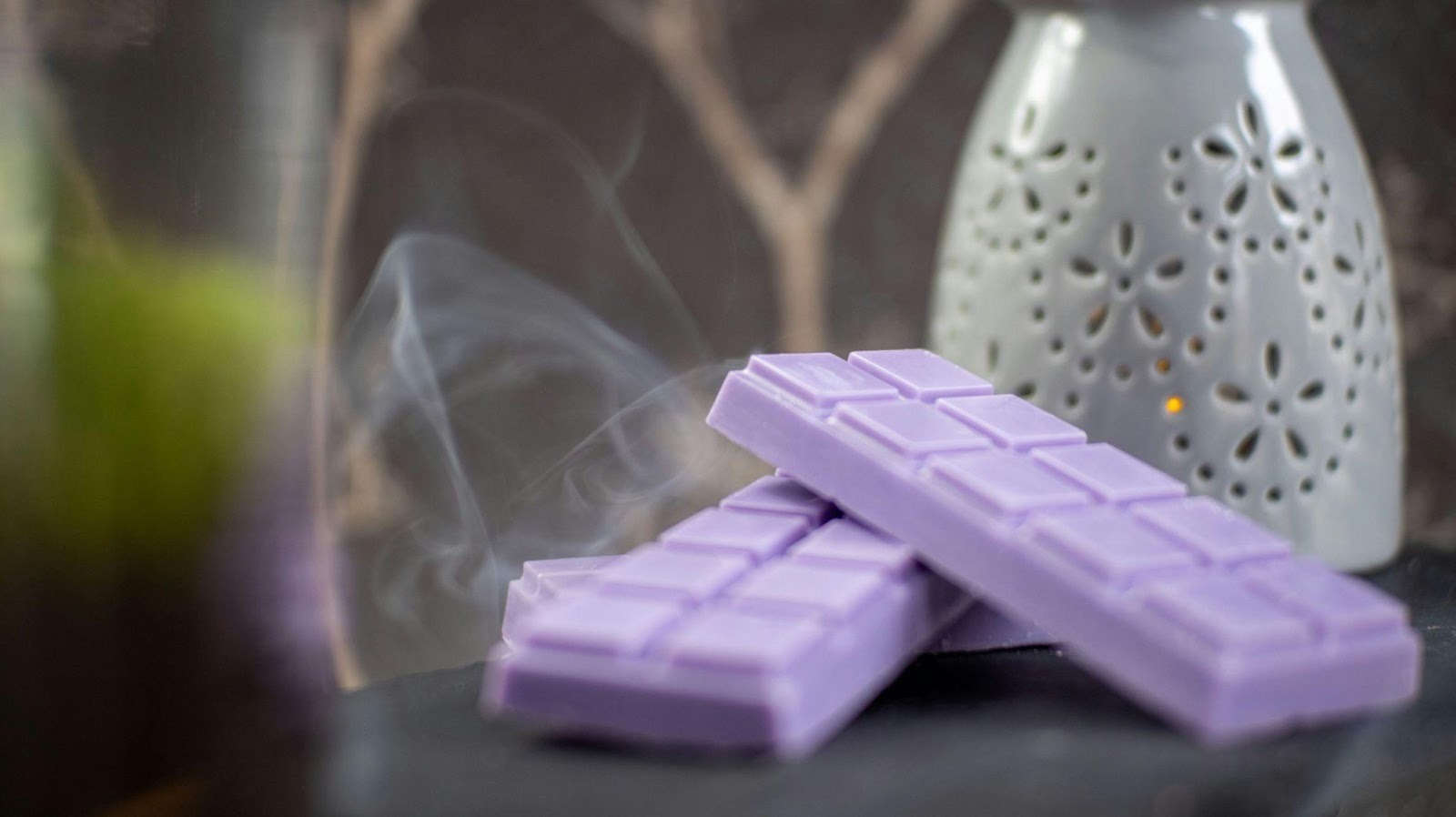
Wax melts have transformed from a niche alternative to mainstream home fragrance staple, and for good reason. These small but mighty fragrance cubes offer flexibility that traditional candles simply can’t match.
According to the experts at Thompson Ferrier, “fragrance isn’t just about how something smells, it’s about how it makes you feel. Whether you’re seeking relaxation, focus, or meditation, the right fragrance has the power to transform your mood and environment
“Unlike candles, wax melts are flameless, making them safer for homes with children and pets. They’re also more economical, a single wax melt can provide 8-12 hours of fragrance. From a sustainability perspective, quality melts made from natural waxes like coconut wax or rapeseed are biodegradable and produce minimal waste, especially when purchased from artisan makers who offer refillable options.
Understanding Scent Families: The Foundation of Smart Choices
Before selecting fragrances for specific rooms, it helps to understand the six main scent families and their psychological effects:
Fresh & Clean – Citrus, linen, sea breeze scents that energize and clarify mental fog.
Floral – Rose, lavender, jasmine that soothe anxiety and add elegance to any space.
Woody & Earthy – Sandalwood, cedar, patchouli that ground emotions and create comfort.
Gourmand – Vanilla, caramel, coffee scents that evoke warmth and indulgence.
Herbal & Green – Eucalyptus, mint, basil that refresh and invigorate tired minds.
Spicy & Warm – Cinnamon, clove, amber that create cozy, intimate atmospheres.
1. Living Room: Create a Welcoming Social Hub
Your living room is where life happens, family movie nights, catching up with friends, Sunday morning coffee. The fragrance here should feel universally appealing without overwhelming.
Best choices: Woody scents like sandalwood or cedarwood create warmth. Fresh combinations like fig and bergamot offer sophistication. In autumn and winter, amber or vanilla-based melts deliver that coveted hygge atmosphere.
Avoid: Overly strong florals or heavy gourmands that might clash with food smells or overwhelm guests with sensitivities.
Pro styling tip: Keep intensity moderate. Your living room fragrance should be noticeable after a few moments, not immediately upon entering.
2. Kitchen: Neutralize and Energize
Kitchens present unique challenges. Cooking odours compete with fragrances, so you need something that can cut through without creating unappetizing combinations.
According to an aromatherapy expert at The Fragrance Foundation, “citrus-based scents are natural deodorizers that don’t compete with food aromas. They complement rather than clash.”
Best choices: Lemon, grapefruit, or orange-based melts feel clean and fresh. Herbal scents like basil, mint, or rosemary complement cooking. Vanilla creates a warm, bakery-like atmosphere.
Avoid: Heavily floral or musky scents. Skip artificial “clean linen” fragrances that smell chemical when mixed with cooking odours.
3. Bedroom: Promote Rest and Deep Sleep
Your bedroom should be your sanctuary, and fragrance choice significantly impacts sleep quality and morning mood.
A study published in the Journal of Sleep Research found that lavender essential oil improved sleep quality by 20% compared to unscented conditions. Chamomile, sandalwood, and ylang-ylang showed similar calming effects.
Best choices: Lavender for scientifically-backed relaxation. Chamomile, sandalwood, and ylang-ylang for calming. Amber or soft musk blends for a sophisticated nighttime scent.
Avoid: Energizing scents like citrus or peppermint that interfere with winding down.
Pro styling tip: Use bedroom wax melts only in the evening to create a psychological association between scent and sleep time.
4. Home Office: Sharpen Focus and Productivity
With remote work becoming permanent for many, creating productive environments through scent has never been more important.
Research from Northumbria University demonstrated that peppermint and rosemary essential oils improved cognitive performance and alertness in office settings by up to 15%.
Best choices: Peppermint and rosemary for focus and cognitive performance. Lemon and citrus scents for increased alertness. Pine and cedarwood for grounded, focused feelings.
Avoid: Relaxing scents like lavender that might induce drowsiness. Overly sweet scents that may feel unprofessional during video calls.
Pro styling tip: Create a scent routine, use the same fragrance only during work hours to build psychological boundaries between work and personal time.
5. Hallways and Entryways: Make Powerful First Impressions
Your entryway sets the tone for your entire home. This is where first impressions happen, both for guests and for you returning home after a long day.
Best choices: Fresh, clean scents that feel welcoming such as linen, light florals, or soft citrus. Seasonal scents work particularly well: spring florals, summer fruits, autumn spices, winter evergreen.
Avoid: Polarizing or overly strong scents that hit immediately. You want intrigue, not overwhelming intensity.
Pro styling tip: Change your entryway scent with the seasons to keep your home feeling current and thoughtfully curated.
Creating Your Signature Home Scent
While room-specific fragrances are wonderful, many homes benefit from a signature scent, a base fragrance that appears throughout, creating olfactory cohesion.
Interior designer Marcus Whitfield recommends choosing one scent family as your “base” and varying it slightly room to room (Elle Canada, 2025). Your living room might feature sandalwood and vanilla, while your bedroom uses sandalwood and lavender. This creates harmony while still serving each room’s specific purpose.
Practical Styling Tips for Wax Melt Success
Start small: Use one melt cube initially and add more if needed. It’s easier to add fragrance than remove it.
Timing matters: Start warmers 30 minutes before you need the fragrance, allowing proper scent dispersal.
Rotate regularly: Change wax melts every 8-12 hours of use, or when you stop noticing the scent (olfactory fatigue).
Choose natural wax: Rapeseed, or coconut wax melts burn cleaner and longer than paraffin alternatives, with better indoor air quality.
Key Takeaways: Mastering Wax Melts in Every Room
- Match scent to function: Living rooms need welcoming scents, bedrooms need calming, offices need focusing.
- Start subtle: You can always add more intensity; you can’t easily reduce it.
- Rotate seasonally: Change scents with seasons to keep your home feeling fresh.
- Choose natural ingredients: Better for your health and the environment.
- Trust your nose: These are guidelines, ultimately, your home should smell like you want it to.
The beauty of wax melts lies in their flexibility. Unlike committing to a full candle, you can experiment with new scents seasonally, adjust intensity daily, and create truly personalized fragrance experiences throughout your home. With quality, handmade options becoming more accessible from local artisans, there’s never been a better time to explore the transformative power of intentional home fragrance.
Author Bio
Matthew Romane is the founder of Matty’s Candles, a Nottingham-based artisan candle and wax melt company specializing in handcrafted, eco-friendly home fragrances. With years of experience creating custom scent blends and helping customers discover their perfect fragrance profiles, Matty combines traditional candle-making techniques with sustainable practices.
Learn more at mattyscandles.co.uk
References
- Journal of Sleep Research. “Effects of Lavender Essential Oil on Sleep Quality.” [Link]
- The Fragrance Foundation. [Link]
- Northumbria University. “Cognitive Effects of Essential Oils in Office Environments.”[Link]
- Elle Canada. “How Design is Reshaping the World of Home Fragrance” [Link]
- Thompson Ferrier, New York “Fragrance Conditioning: How Scent Transforms Your Home and Your Emotions [Link]




Leave a Reply